

Image: Science Daily
A groundbreaking study suggests vitamin D may impact long COVID outcomes, despite not reducing infection severity. Learn what researchers found.
GlipzoA significant study conducted by Mass General Brigham has shed light on the potential implications of vitamin D supplementation for COVID-19 patients, particularly regarding long COVID. While findings indicate that high doses of vitamin D3 do not lessen the severity of COVID-19 infections, they suggest intriguing connections to long COVID outcomes. The results were published in The Journal of Nutrition, adding to the growing body of research seeking to understand the virus and its long-term effects.
Senior author JoAnn Manson, MD, DrPH, emphasized the importance of the findings, stating, "There’s been tremendous interest in whether vitamin D supplements can be of benefit in COVID, and this is one of the largest and most rigorous randomized trials on the subject." Despite the lack of evidence for reducing infection severity, the study revealed a promising signal indicating that vitamin D might influence long COVID symptoms, warranting further investigation.
The Vitamin D for COVID-19 (VIVID) Trial was launched to clarify the role of vitamin D in COVID-19 outcomes. Researchers aimed to determine whether high doses of vitamin D3 could impact the health of individuals recently diagnosed with COVID-19 and their household contacts. The trial spanned across two countries, the United States and Mongolia, involving a total of 1,747 adults who had tested positive and 277 household members.
Participants were randomly assigned to receive either vitamin D3 or a placebo for a duration of four weeks. The supplementation regimen involved a high initial dose of 9,600 IU/day for two days, followed by 3,200 IU/day thereafter. Notably, the U.S. segment of the trial ran from December 2020 through September 2022, while the Mongolian study was conducted from September 2021 to April 2022. On average, participants began their supplementation about three days after receiving a positive COVID-19 test result.
To ensure the study’s integrity, Manson and her team employed stratified randomization and statistical weighting. This approach helped balance critical factors influencing COVID-19 outcomes, such as age, sex, body mass index, race/ethnicity, and vaccination status between both groups. This meticulous method aimed to provide a clearer understanding of vitamin D’s effects.
Throughout the four-week study, researchers observed no significant differences in healthcare utilization, hospitalization rates, or mortality between the vitamin D and placebo groups. Key findings included: - No decrease in symptom severity between the two groups. - High-dose vitamin D did not reduce the likelihood of household contacts contracting COVID-19.
These results suggest that while vitamin D is often linked to immune health, its role in acute COVID-19 treatment may be limited.
Interestingly, a closer analysis of participants who adhered to the vitamin D regimen revealed a potential connection to long COVID. Those taking vitamin D were somewhat less likely to report ongoing symptoms eight weeks post-infection. Specifically, 21% of vitamin D recipients reported at least one lingering symptom, compared to 25% of those on the placebo, with this difference approaching statistical significance.
Manson noted the implications of long COVID, stating, "Long COVID, which can include symptoms of fatigue, shortness of breath, brain fog, and other cognitive challenges, continues to significantly impact people's lives. We hope to conduct further research in larger populations on whether long-term vitamin D supplementation reduces the risks and severity of long COVID."
The study was co-authored by several experts from Mass General Brigham, including Davaasambuu Ganmaa, Allison Clar, Michael Rueschman, and others. This diverse team contributed to a comprehensive analysis of the research, highlighting the need for continued exploration into the relationship between vitamin D and COVID-19 outcomes.
As the world grapples with the long-term effects of COVID-19, understanding the potential role of vitamin D in mitigating long COVID symptoms is critical. Given the ongoing challenges associated with this condition, further research could provide valuable insights into effective treatments and preventive measures. The findings from the VIVID Trial underscore the necessity of rigorous scientific inquiry into dietary supplements and their possible benefits for public health.
Looking ahead, the scientific community will likely focus on expanding research around vitamin D and its potential effects on long COVID. Experts may seek to conduct larger trials and explore varying dosages and formulations of vitamin D supplements. Additionally, healthcare providers might consider the potential benefits of vitamin D in their treatment plans for COVID-19 patients, particularly those experiencing lingering symptoms. Monitoring developments in this area could be essential for improving outcomes for those affected by the virus and enhancing overall public health strategies.

Shocking findings from Nottingham's maternity unit reveal a toxic culture and alarming neglect. What can be done to improve care? Discover the details.
BBC Health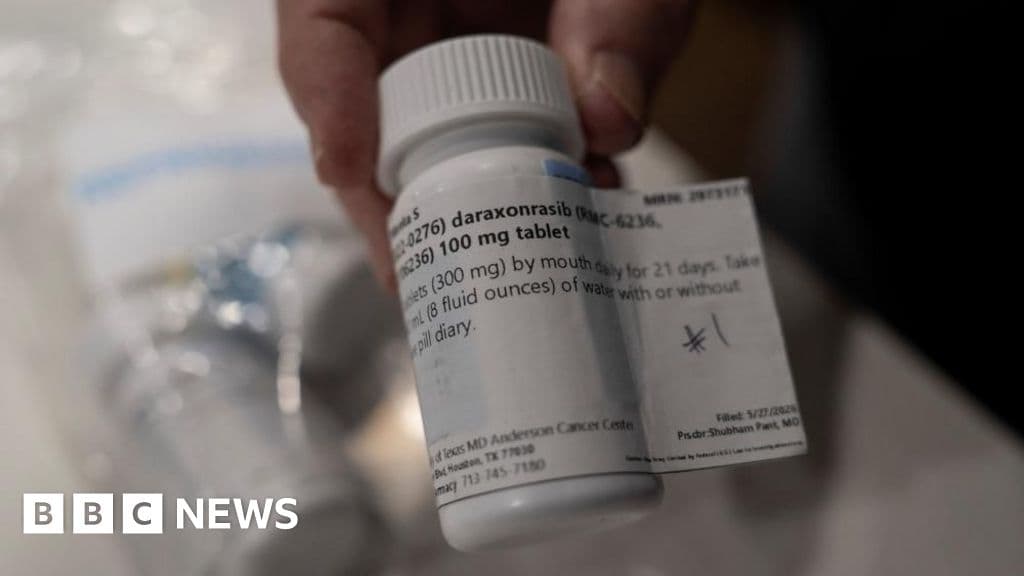
Discover how daraxonrasib, a new pill, is nearly doubling survival rates for pancreatic cancer patients, offering hope in a challenging battle against this deadly disease.
BBC Health
Waste companies propose a £5 deposit on vapes to encourage proper disposal and curb littering as the environmental impact of vapes increases.
BBC Business