
Image: BBC World
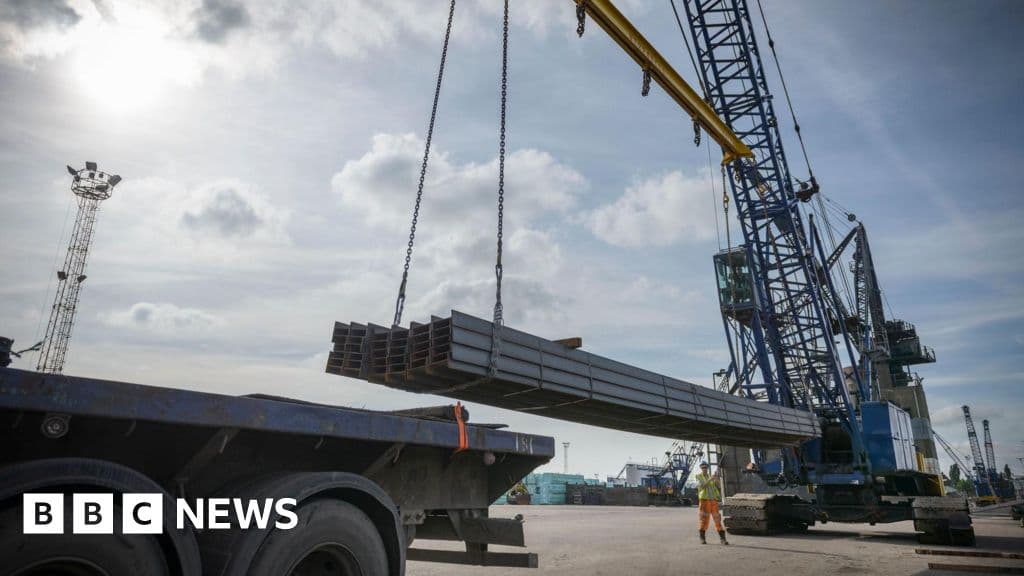
Iran's largest steel plants shut down following air strikes, raising concerns about economic stability and supply chain disruptions. What’s next for Iran?
GlipzoIn a shocking development, Iran's two largest steel manufacturers have announced a complete shutdown of operations due to a series of recent air strikes. These strikes, attributed to a coordinated effort between Israel and the United States, have raised serious concerns about the potential long-term effects on Iran's economy. The Khuzestan Steel Company and Mobarakeh Steel Company, which play pivotal roles in the country's industrial framework, have indicated that it may take anywhere from six months to a year to restart production. Mehran Pakbin, the deputy head of operations at Khuzestan, emphasized the severity of the situation, stating, "Our initial estimate is that restarting these units will take at least six months and up to one year."
The air strikes, which commenced last Friday, are reported to have inflicted significant damage on critical infrastructure, including steel production facilities vital for Iran's manufacturing sector. With Iran ranked as the 10th largest steel producer globally, the ramifications of this shutdown extend beyond mere production halts; they threaten to disrupt supply chains and economic stability across the nation. The country has long faced challenges due to stringent Western sanctions, making the current situation even more precarious.
The implications of these air strikes on Iran's economy could be catastrophic. The Mobarakeh Steel Company, located in central Iran, confirmed that its production operations have come to a complete standstill due to the sustained attacks. The company's announcement reflects a broader trend of increasing vulnerability within Iran's industrial sectors, which rely heavily on steel for both domestic construction projects and international exports.
The Iranian Foreign Minister, Abbas Araghchi, took to social media to denounce the attacks, stating, "Israel has hit two of Iran's largest steel factories, a power plant, and civilian nuclear sites among other infrastructure." This escalating conflict has raised alarms about the potential for broader military engagements in the region.
Recent military actions have not been limited to air strikes on industrial sites. The Israeli military disclosed reports of incoming missile attacks from Iran, while the United Arab Emirates (UAE) confirmed intercepting missiles and drones launched from Iranian territory. Notably, the IRGC has retaliated by targeting facilities linked to U.S. interests in the Gulf region, further complicating an already tense geopolitical landscape.
The conflict has not only impacted military infrastructure but has also extended to health-related facilities. A spokesperson from Iran's health ministry reported an attack on the Pasteur Institute of Iran, labeling it as a direct assault on international health security, which raises questions about compliance with the Geneva Conventions. Furthermore, an attack on a major pharmaceutical company involved in producing critical medications such as anesthetics and cancer drugs has sparked outrage within the Iranian population and among international observers.
As the situation unfolds, the potential for further escalations remains high. The IDF has made allegations against Iranian companies, claiming they were involved in transferring chemical substances for weapon development. This narrative of escalating military confrontation is underscored by statements from former U.S. President Donald Trump, who suggested that Iran should consider making a deal before facing irreversible consequences.
Looking ahead, what will be the consequences of these military actions? Economic analysts warn that the shutdown of major steel plants could lead to severe shortages in construction materials, affecting both domestic projects and international trade. The continued targeting of civilian and health facilities could draw condemnation from global human rights organizations and further isolate Iran on the world stage.
In conclusion, the recent air strikes on Iran's steel facilities represent a critical juncture not only for the nation's economy but for regional stability as well. The global community will be watching closely as the situation develops, with the potential for significant ramifications both within Iran and beyond its borders.
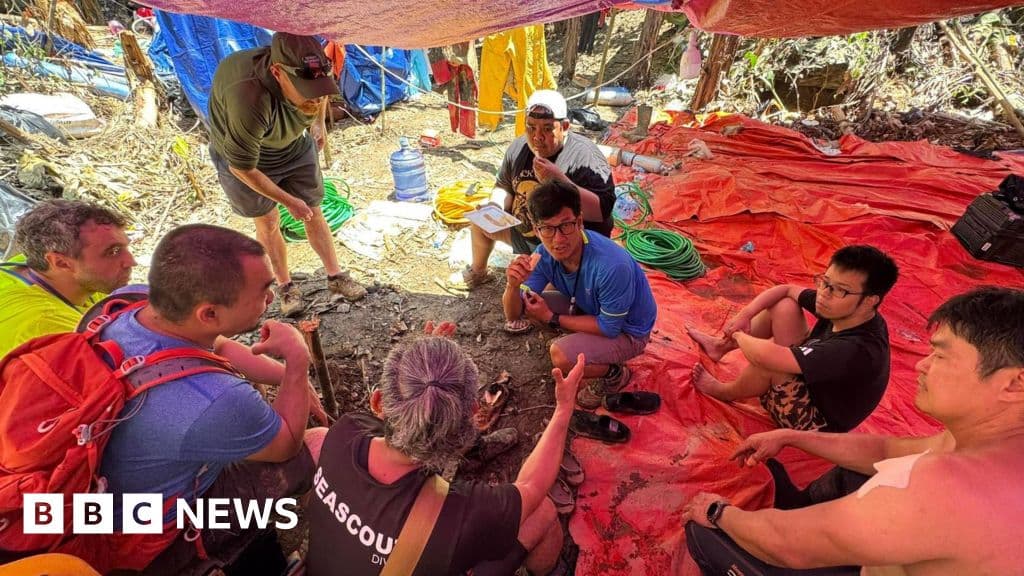
Survivors of the Laos cave rescue are aiding efforts to find the last two missing men trapped inside, sharing crucial insights for the search operation.
BBC World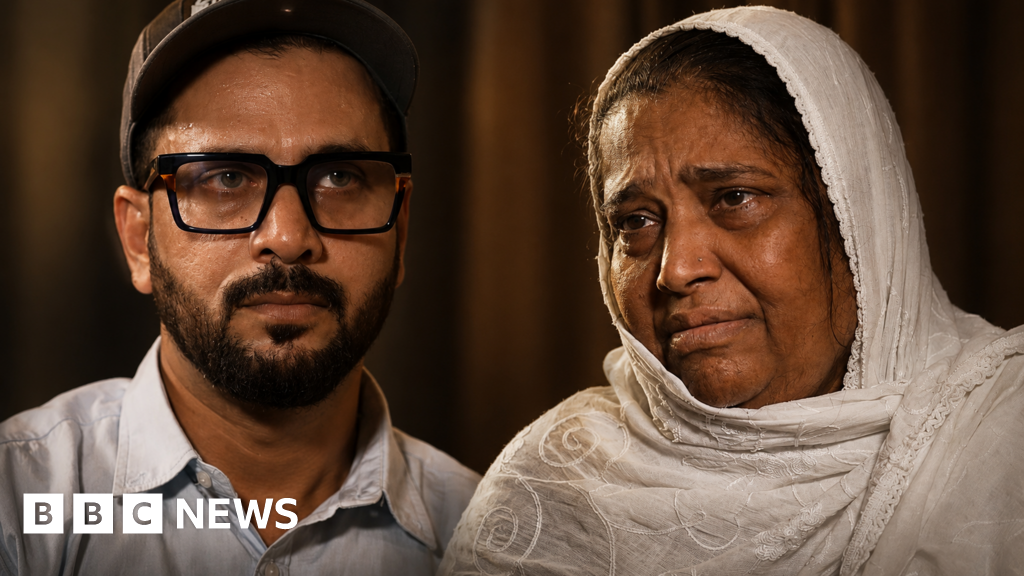
A year after the tragic Air India crash, the Ali family reflects on grief, unanswered questions, and the enduring bonds of love in the face of loss.
BBC Business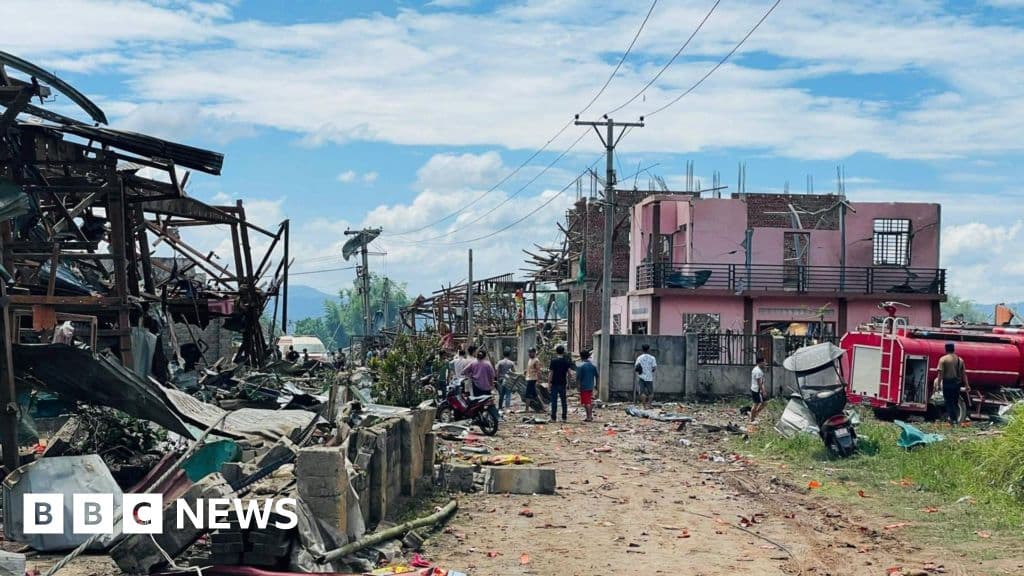
A devastating explosion in Myanmar's Kaung Tat village has killed at least 55 people, raising serious safety concerns and questions about civilian protection in conflict zones.
BBC World