
Image: The Hindu
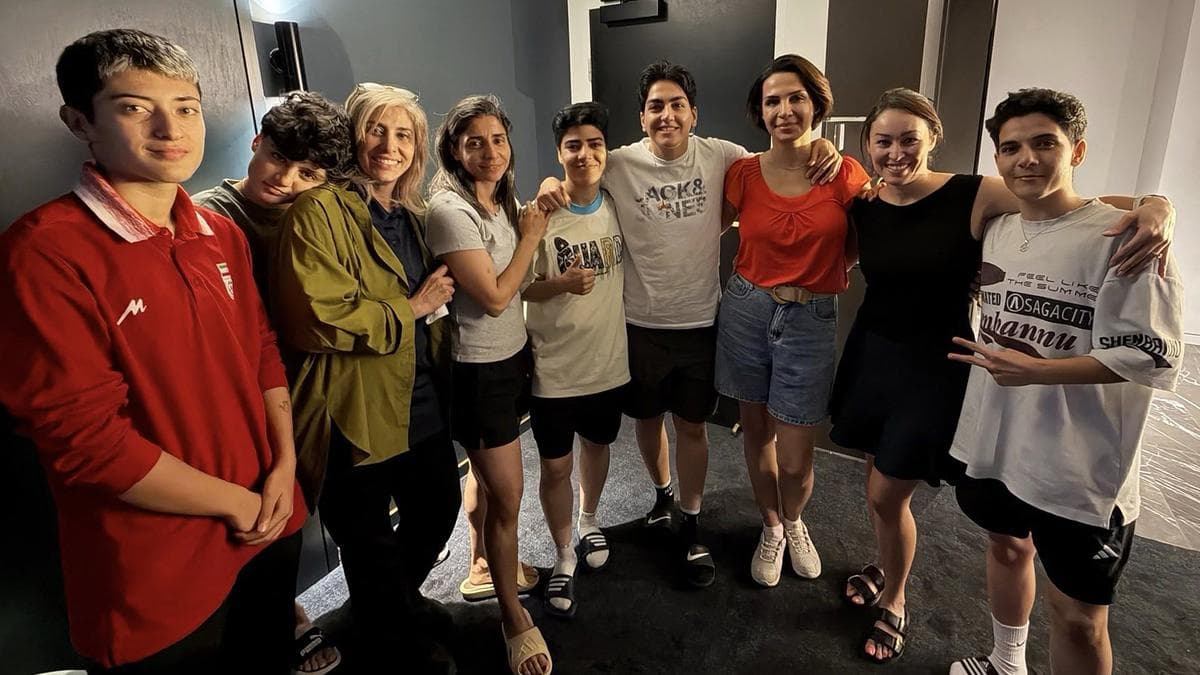
Zahra Ghanbari, captain of Iran's women's football team, withdraws her asylum bid in Australia amid political tensions and family pressures back home.
GlipzoIn a shocking turn of events, Zahra Ghanbari, the captain of Iran’s women’s football team, has retracted her asylum application in Australia. This decision, reported by state media on March 15, 2026, marks a significant shift as she becomes the fifth member of her delegation to do so. The team's journey has drawn considerable attention not only due to their performance in the Women’s Asian Cup but also due to the political ramifications back home in Iran.
Ghanbari, who is recognized as the national team’s leading goalscorer, will now leave Australia, traveling first to Malaysia before returning to Iran. This decision comes amid allegations that players faced intense pressure from Iranian authorities, who reportedly threatened their families if they pursued asylum. Conversely, accusations have also emerged suggesting that Australian officials might have exerted pressure to encourage players to remain in the country.
The Iranian women’s football team’s quest for asylum is set against a backdrop of unrest and conflict in West Asia. Recent military actions, including U.S.-Israeli airstrikes on Iran and widespread protests against the clerical regime, have created a climate of fear and uncertainty. Amidst this turmoil, seven members of the Iranian delegation sought refuge in Australia after facing backlash for not singing the national anthem during their matches, where they were labeled “traitors” back home.
As the situation evolves, the Iranian government has accused Australia of attempting to sway the players’ decisions. Following Ghanbari’s withdrawal, only two players from the delegation remain in Australia, highlighting the complex emotional and political pressures these athletes face.
The narrative surrounding the Iranian women’s football team reveals the difficult choices faced by athletes caught between personal safety and national loyalty. Reports indicate that in addition to Ghanbari, three other players and a staff member have also reversed their asylum requests and are currently in Kuala Lumpur, awaiting flights back to Iran. This series of withdrawals raises questions about the genuine freedom of choice these players had when they first sought asylum.
Tony Burke, Australia’s Home Affairs Minister, addressed the situation, emphasizing that the players had been given numerous opportunities to explore their options in Australia. He acknowledged the challenging decisions they faced, highlighting the complexities involved in their circumstances. Burke’s statement indicates a recognition of the players' struggles, yet it also illustrates the broader implications of their choices.
The withdrawal of Ghanbari and her teammates sheds light on the precarious nature of athlete activism within regimes that suppress dissent. The Iranian government’s influence over its athletes raises significant concerns about freedom of expression, particularly in the context of sports. These athletes, who initially sought asylum to escape a repressive environment, may now face repercussions upon their return home.
Looking forward, this situation serves as a stark reminder of the challenges athletes face when their careers intersect with political strife. The Iranian women’s football team may have ignited discussions regarding the safety and rights of athletes, particularly those from oppressive regimes. As their story unfolds, it highlights the need for greater protections and support for athletes navigating such perilous waters.
Moreover, the ongoing conflict in West Asia and the response of international bodies will play critical roles in shaping the experiences of athletes from the region. Observers will be keen to see how the Iranian government responds to the public and international scrutiny following these events.
In summary, as the Iranian women’s football captain returns home, the implications of her decision will resonate far beyond the sports arena, raising essential questions about freedom, safety, and the power dynamics within the realm of international athletics.
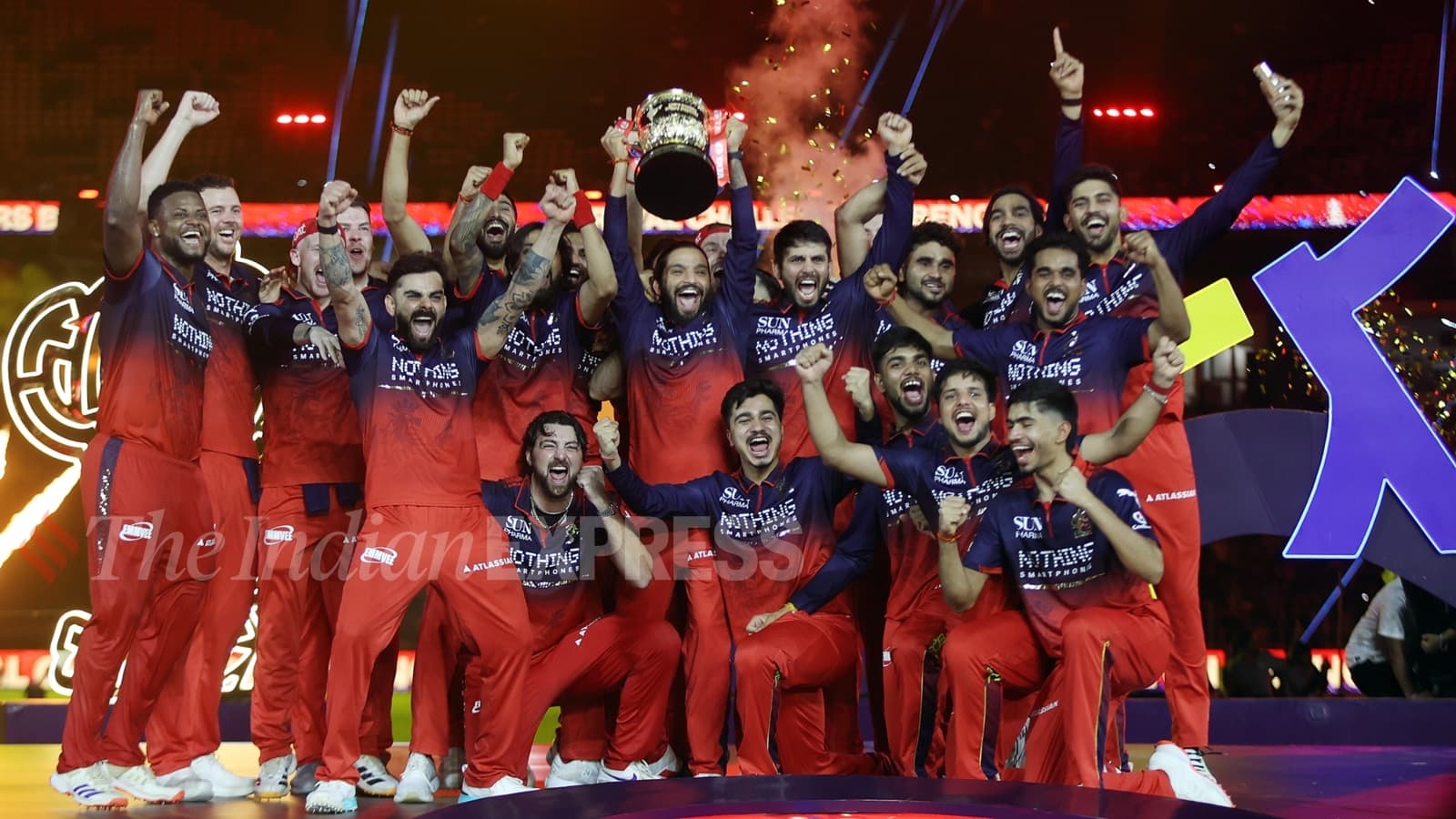
Rajat Patidar leads RCB to back-to-back IPL titles! Discover his leadership insights and goals for a historic third title in the upcoming season.
Indian Express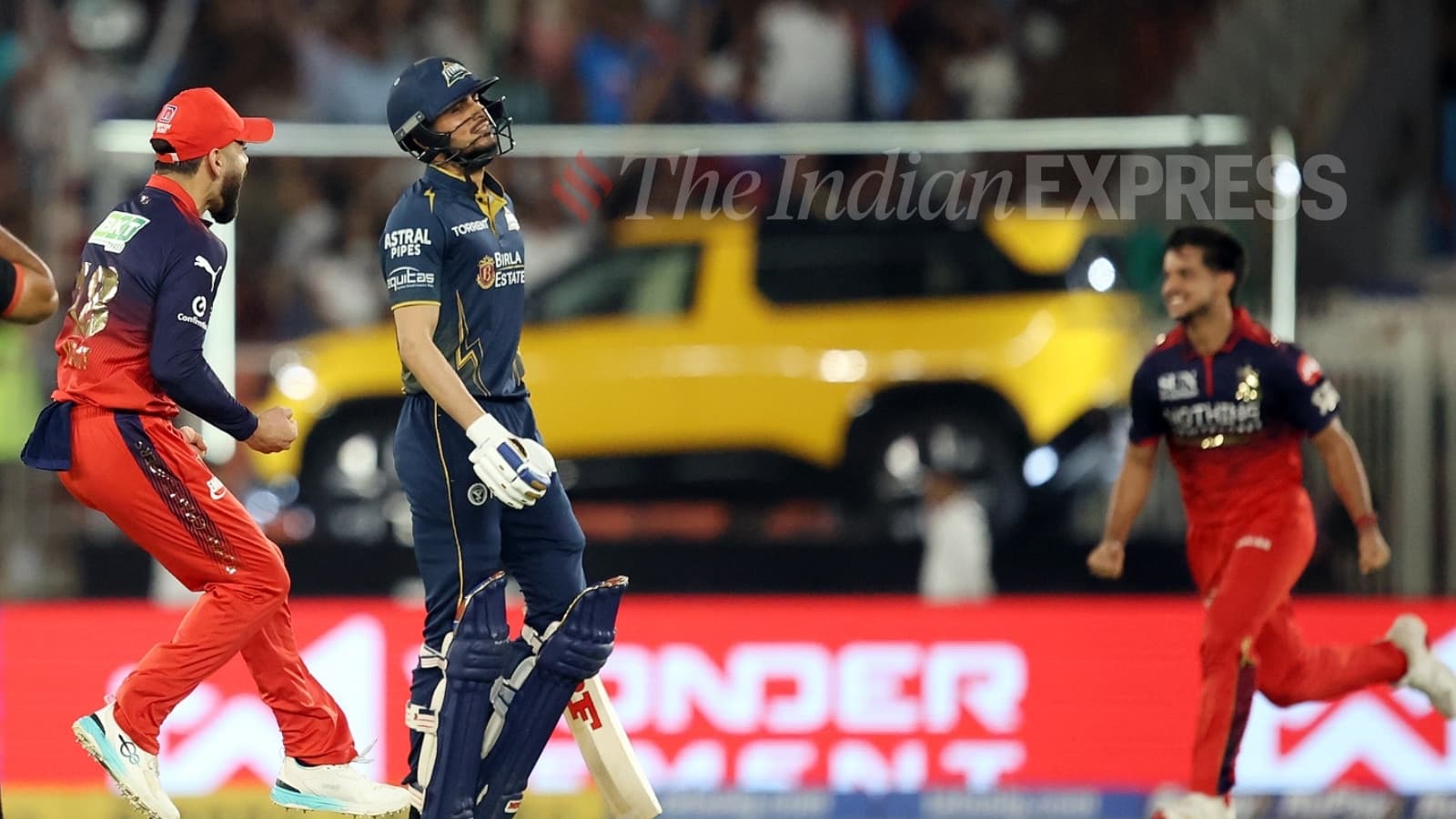
Gujarat Titans' Vikram Solanki reflects on their IPL 2026 final loss, acknowledging shortcomings and praising RCB's performance. What’s next for GT?
Indian Express
Virat Kohli and Anushka Sharma celebrate RCB's IPL 2026 victory with joy and emotion. Discover the highlights of this unforgettable night!
Indian Express