
Image: BBC World
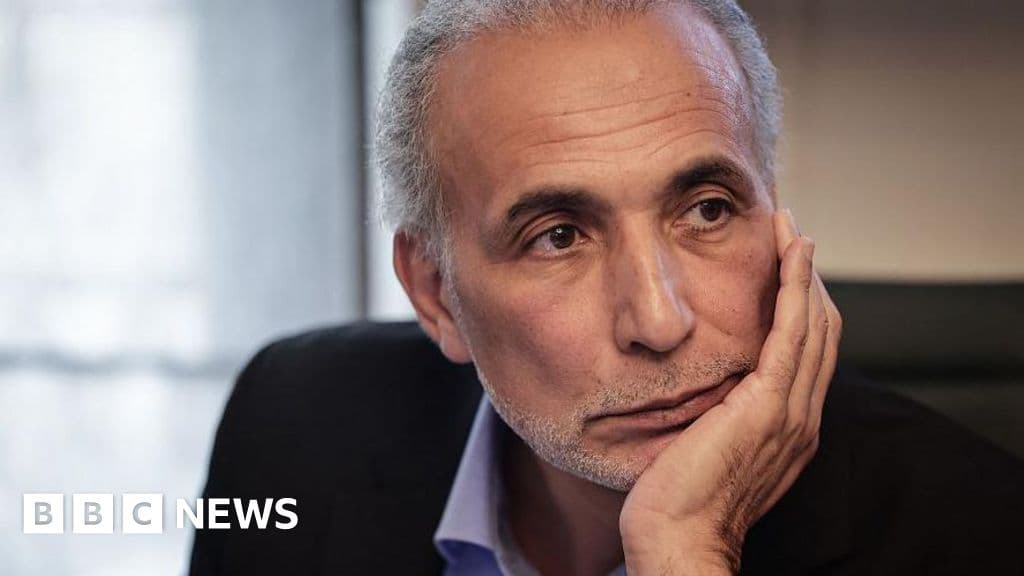
Tariq Ramadan sentenced to 18 years for raping three women, a pivotal moment in the fight against sexual violence. What does this mean for survivors?
GlipzoIn a significant ruling, Tariq Ramadan, a well-known scholar of Islam, has been sentenced to 18 years in prison following his conviction for the rape of three women. This verdict, delivered by a Paris court, comes two years after Ramadan received a separate conviction for a different rape case in Switzerland. This high-profile case has drawn attention not just for its implications on Ramadan's career but also for the broader conversations surrounding sexual violence and accountability in society.
The events surrounding this case began in 2017, as the #MeToo movement sparked a global dialogue about sexual abuse, empowering many survivors to come forward. Two of the three women involved in this case alleged that they were assaulted by Ramadan during this pivotal time, highlighting the ongoing struggle against sexual misconduct and the challenges victims face when pursuing justice.
At the age of 63, Ramadan, who previously held a position as a professor of Islamic studies at St Antony's College in Oxford, did not attend his trial in Paris. His legal team claims he was undergoing treatment for multiple sclerosis in Geneva, arguing that his absence from the courtroom was justified. They condemned the proceedings as a mere spectacle, labeling the trial a farce.
Judge Corinne Goetzmann presided over the case and emphasized the severity of Ramadan's actions, stating that the 18-year sentence was warranted due to the extreme seriousness of the crimes. "Consenting to sex does not imply consenting to any sexual act whatsoever," she asserted, underscoring the legal complexities surrounding consent and sexual violence.
As the court session concluded, Henda Ayari, one of the plaintiffs, expressed her relief and vindication, stating that the judges had believed her. Reflecting on her long journey, she shared, "It's been nine years of suffering and struggle since I first came forward." Ayari detailed a harrowing account of the assault she endured in a hotel room in 2012, describing Ramadan's actions as predatory.
The voices of the women involved in this case resonate beyond their individual experiences. Ayari highlighted her thoughts on fellow survivors, noting, "I thought about all the other victims: those who bravely filed complaints and those who felt unable to do so due to fear of reprisals." Her sentiments reflect a crucial aspect of the conversation around sexual violence: the need for support and solidarity among survivors, especially in a cultural climate where victims often face significant barriers to justice.
Another accuser testified that she was raped by Ramadan in 2009 at a hotel in Lyon, while the Swiss case involved a woman who claimed she was assaulted in Geneva in 2008. These incidents illustrate a pattern of alleged predatory behavior that paints a troubling picture of Ramadan's conduct.
In the aftermath of the conviction, Ramadan has expressed strong opposition to the ruling. He called for a new trial, insisting that he did not receive a fair hearing and attributing his absence to health issues rather than a lack of willingness to participate. In an interview with Le Parisien, he stated, "I will not let this decision stand," and claimed the allegations against him form part of a broader political agenda aimed at silencing a prominent Muslim intellectual.
Ramadan’s family ties are also noteworthy; he is the grandson of Hassan al-Banna, the founder of the Muslim Brotherhood. This connection adds another layer to the scrutiny surrounding his public persona and the backlash he faces from various political and social factions.
With an arrest warrant now issued against him, it remains uncertain how Ramadan can pursue a retrial without complying with legal procedures that may require his pre-trial detention in France. His absence from the courtroom raises questions about the feasibility of a fair trial in the future.
Furthermore, this case is emblematic of a larger movement toward holding individuals in positions of power accountable for their actions. As society grapples with issues of consent, sexual violence, and institutional support for victims, the outcomes of such high-profile cases could influence future legal frameworks and societal attitudes toward sexual misconduct.
This conviction is not just a legal matter; it represents a critical moment in the fight against sexual violence and the stigma surrounding victims. As more individuals find the courage to come forward, the judicial system must evolve to provide adequate support and protection for those seeking justice. The reaction to this case will likely prompt discussions about the effectiveness of current laws regarding sexual assault and the importance of cultural shifts in how society perceives and addresses these serious allegations.
As the world watches the fallout from this ruling, the implications for both Ramadan and the broader community of survivors will undoubtedly shape the narrative surrounding sexual violence and accountability in the years to come.
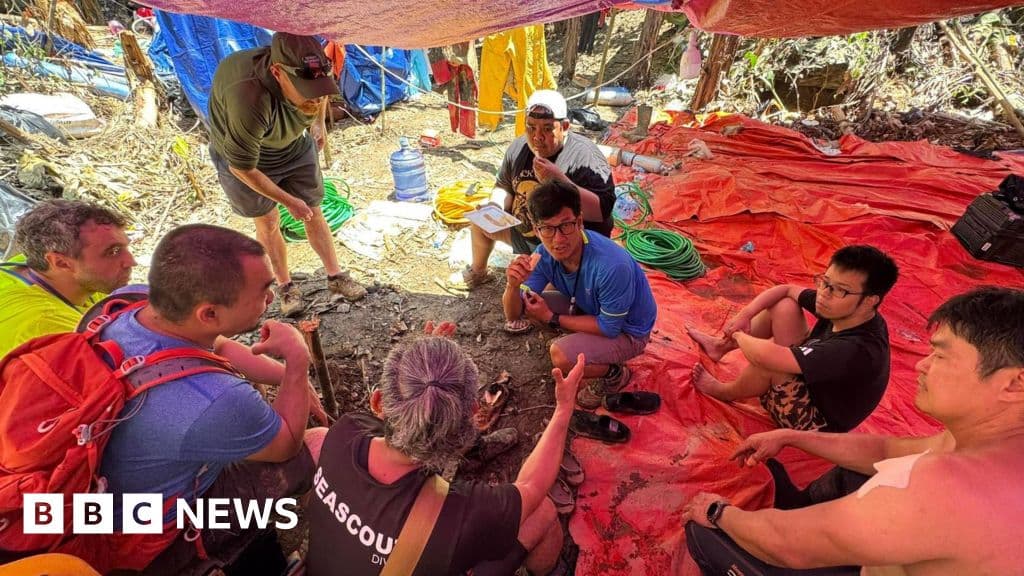
Survivors of the Laos cave rescue are aiding efforts to find the last two missing men trapped inside, sharing crucial insights for the search operation.
BBC World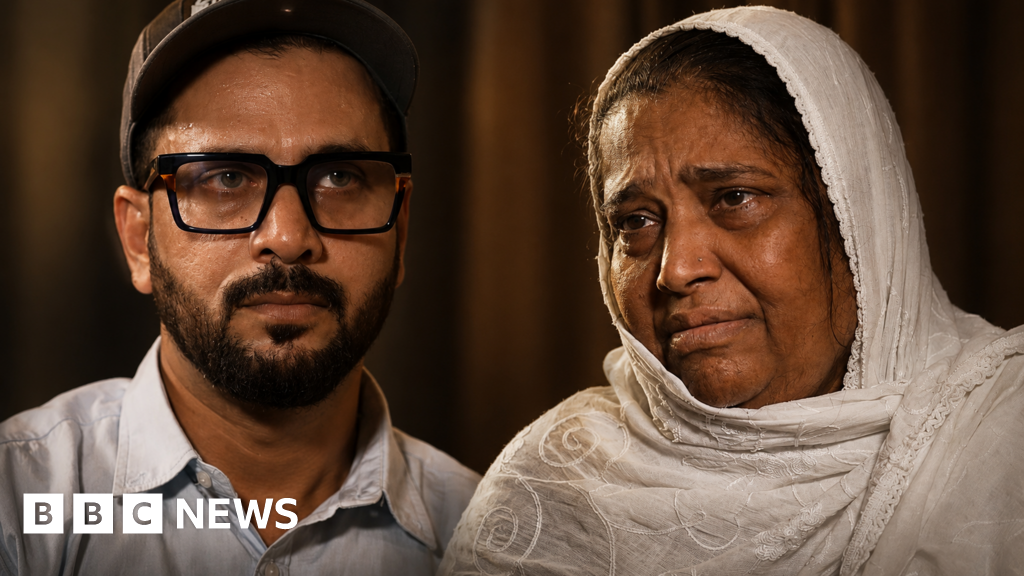
A year after the tragic Air India crash, the Ali family reflects on grief, unanswered questions, and the enduring bonds of love in the face of loss.
BBC Business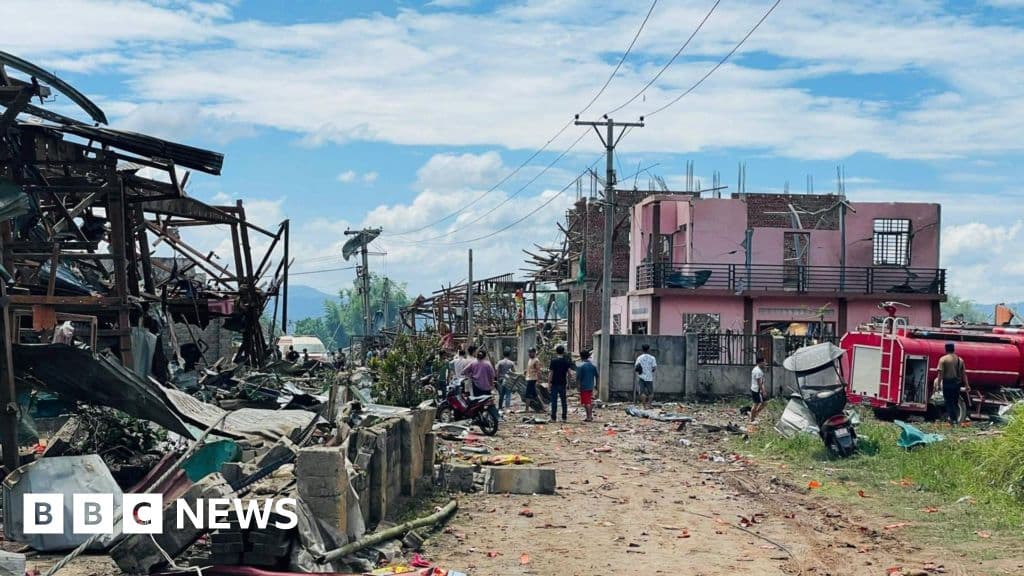
A devastating explosion in Myanmar's Kaung Tat village has killed at least 55 people, raising serious safety concerns and questions about civilian protection in conflict zones.
BBC World