
Image: Mint (Business)
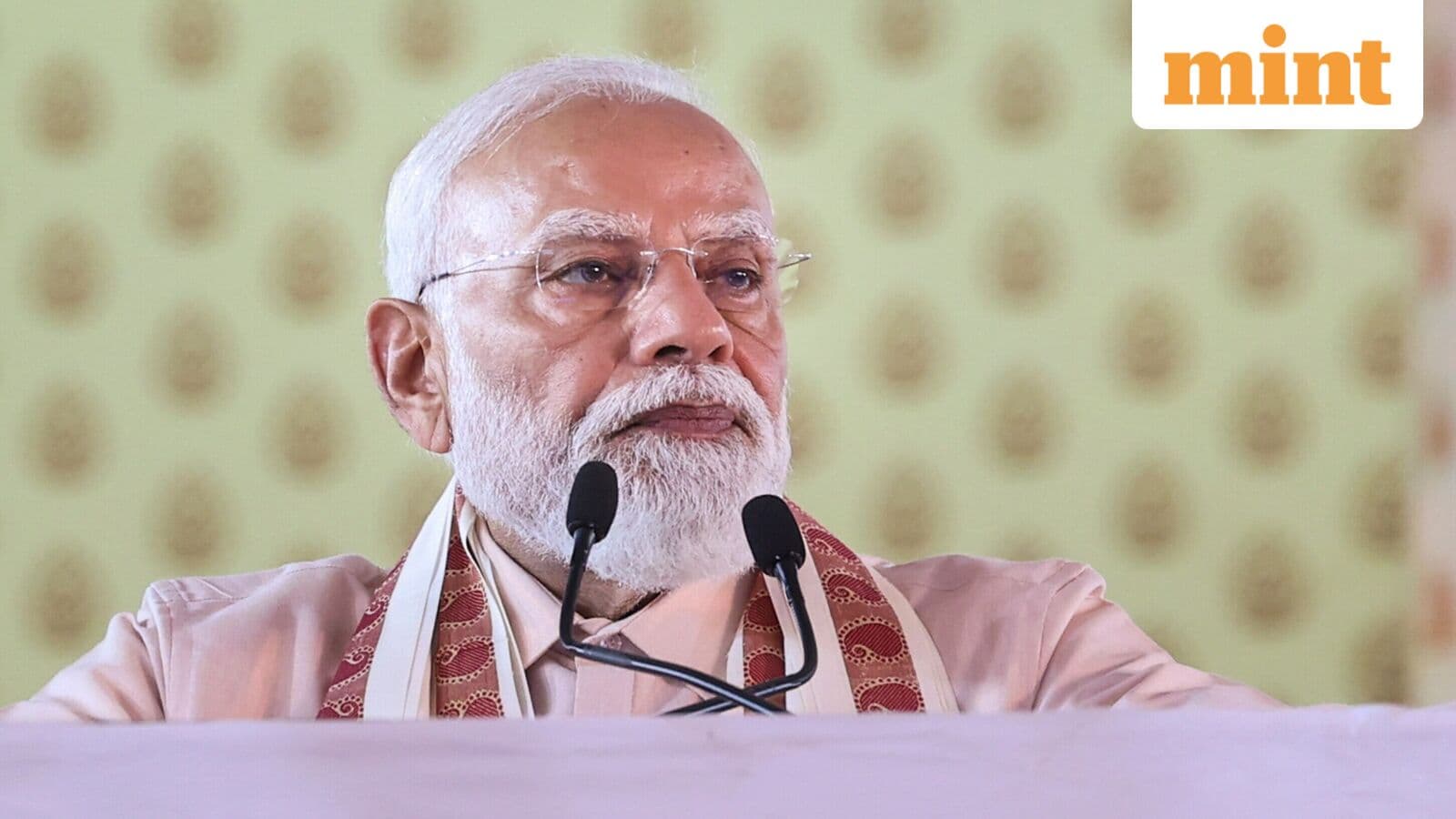
Prime Minister Modi's urgent meeting on energy supply amid West Asia conflict highlights India's proactive measures for stability and security. What’s next?
GlipzoIn a critical response to the escalating West Asia conflict, Indian Prime Minister Narendra Modi convened a high-level meeting on Sunday to assess the implications for energy and fertiliser supplies. The meeting, attended by key ministers, aimed to ensure stable logistics and uninterrupted distribution across the nation amidst global tensions affecting crude oil and gas supplies.
Among those present were prominent figures such as Union Ministers Rajnath Singh (Defence), Amit Shah (Home Affairs), Nirmala Sitharaman (Finance), and S Jaishankar (External Affairs). The gathering also included the National Security Advisor Ajit Doval and the Prime Minister's principal secretaries, P K Mishra and Shaktikanta Das.
This assembly of senior officials underscores the Indian government's proactive stance in safeguarding both consumer interests and industrial stability, as the ongoing conflict in West Asia continues to disrupt global supply chains.
Earlier this month, PM Modi highlighted the worldwide energy crisis resulting from the West Asia conflict. He characterized the situation as a significant test of the country's resilience, emphasizing the need for peace, patience, and heightened public awareness. Modi stated, "This festive season brings hope for peace, stability, and prosperity in West Asia," reflecting his government's commitment to addressing the crisis through diplomatic efforts.
The Prime Minister’s dialogue with global leaders, including a recent conversation with Iranian President Masoud Pezeshkian, illustrates India's efforts to foster international cooperation in stabilizing the situation. In his communications, Modi condemned attacks on critical infrastructure that threaten both regional stability and global supply chains, reiterating the importance of ensuring that shipping lanes remain open.
The meeting focused on several strategic measures designed to mitigate the impact of the West Asia crisis on India’s energy and agriculture sectors. Key points discussed included: - Maintaining Uninterrupted Supply: Ensuring that the flow of crude oil, gas, and fertilizers remains steady to meet domestic needs. - Logistics and Distribution: Streamlining logistics to facilitate efficient distribution across the country. - Monitoring Global Developments: Keeping a close eye on how international events impact energy prices and supply stability.
The Indian government has been proactive in its approach, recognizing that disruptions in energy supply can have cascading effects on various sectors of the economy, particularly agriculture, which heavily relies on fertilizers.
The conflict in West Asia has far-reaching implications beyond energy supply. It raises critical concerns about economic stability, regional security, and India's foreign relations. As oil prices fluctuate due to geopolitical unrest, the Indian economy faces potential inflationary pressures, affecting everything from consumer goods to transportation costs.
In light of these challenges, the government’s focus on securing energy supplies is crucial not only for maintaining domestic stability but also for preserving India's standing on the global stage. The interplay of diplomacy and robust domestic policies will be essential as India navigates these turbulent waters.
As the situation in West Asia evolves, the Indian government is expected to continue its engagement with key international partners. Observers will be watching closely for any further diplomatic efforts aimed at stabilizing the region and ensuring the safety of shipping lanes critical to energy imports.
Moreover, updates on domestic policy measures aimed at cushioning the economy against external shocks will be crucial. The government’s ability to adapt to these challenges will be tested in the coming months as it seeks to balance national interests with its role in global diplomacy.
In conclusion, the Indian government’s proactive measures and strategic reviews demonstrate a commitment to maintaining stability amid uncertainty. The unfolding dynamics in West Asia will undoubtedly shape not only energy policies but also broader economic and diplomatic strategies as India forges ahead.
---
Stay tuned for updates on this developing story, and monitor how the situation might impact India’s energy landscape and international relations as events unfold.

Tensions soar as the US and Iran engage in air strikes near the Strait of Hormuz, raising concerns over global oil supply and regional stability.
BBC World
Trump's international interventions face serious stalemates. What will this mean for U.S. foreign policy? Explore the critical challenges ahead.
Indian Express
Tehran denies resignation of President Masoud Pezeshkian amid claims of IRGC influence. What does this mean for Iran's political stability? Click to learn more!
Indian Express