
Image: BBC World
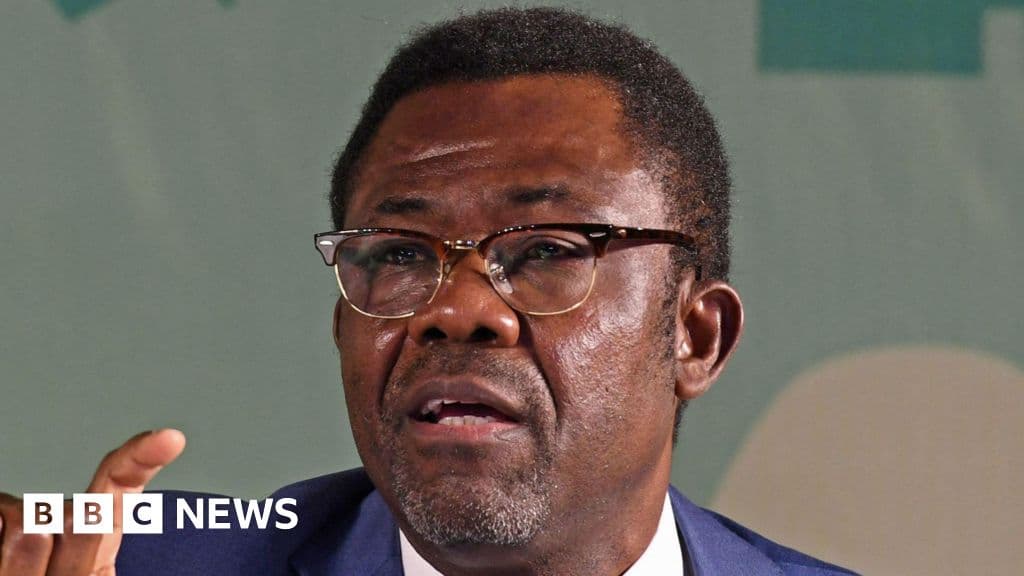
Veron Mosengo-Omba resigns as CAF Secretary amid controversies, including Senegal's AFCON title loss. What’s next for African football leadership?
GlipzoIn a significant shake-up within African football, Veron Mosengo-Omba, the General Secretary of the Confederation of African Football (CAF), has announced his resignation. This decision comes at a tumultuous time for the organization, particularly following controversial decisions that have shaken confidence in its leadership. Mosengo-Omba’s departure is viewed not only as a personal choice but also as a response to escalating controversies surrounding CAF's recent rulings.
Mosengo-Omba's resignation statement, released on Sunday, highlighted his desire to leave on a positive note, suggesting that he had managed to clear any doubts surrounding his leadership. “Now that I have been able to dispel the suspicions that some people have gone to great lengths to cast on me, I can retire with peace of mind and without constraint, leaving the CAF more prosperous than ever,” he stated. Despite these affirmations, his tenure has been marred by significant disputes, particularly concerning Senegal's recent decisions.
The backdrop to Mosengo-Omba’s resignation includes CAF's controversial decision to strip Senegal of the 2025 Africa Cup of Nations (AFCON) title, a ruling that has sparked outrage and confusion among fans and officials alike. The situation escalated further with the last-minute postponement of the women's tournament, raising questions about CAF's management and decision-making processes.
Critics have pointed to a lack of transparency and inconsistent governance as key issues facing the organization. Mosengo-Omba, who has been in his role since March 2021, faced backlash for his prolonged tenure beyond the mandatory retirement age of 63. Additionally, he was accused of fostering a toxic workplace environment; however, an internal investigation ultimately cleared him of any wrongdoing.
The 66-year-old, who holds dual nationality from the Democratic Republic of Congo and Switzerland, leaves a complex legacy at CAF. His resignation has led to the appointment of Samson Adamu, the competitions director, as the acting general secretary, creating a potential shift in leadership styles and priorities.
One of the most contentious issues during Mosengo-Omba's time was the fallout from the AFCON final held in January, where Senegal faced Morocco. In a match that became notorious for its dramatic events, Senegal's players protested a controversial stoppage-time penalty awarded to Morocco while the score was still 0-0. After a lengthy delay, Senegal returned to the field and scored an extra-time goal, leading to a 1-0 victory.
However, the Moroccan Football Association (FRMF) later filed an appeal, and CAF controversially ruled that Senegal had forfeited the match due to the protest, subsequently awarding Morocco a 3-0 victory. Senegal's appeal against this decision is currently pending a ruling from the Court of Arbitration for Sport (CAS), adding yet another layer of complexity to this ongoing saga.
As CAF navigates this leadership transition, the organization faces significant challenges ahead. Veron Mosengo-Omba’s resignation signals a pivotal moment that could lead to either a renewal of trust or further instability within African football's governing body. The new acting general secretary, Samson Adamu, will likely need to focus on restoring confidence among member associations and fans alike, particularly as the organization awaits the CAS decision on Senegal's appeal.
The implications of these events extend beyond the immediate leadership changes. As African football grows in prominence on the global stage, the governance issues within CAF could impact the continent's reputation and its ability to host major tournaments successfully. Stakeholders, including players, coaches, and fans, will be closely monitoring how CAF addresses its internal challenges and the outcomes of the ongoing disputes.
The events surrounding the resignation of Mosengo-Omba and the controversies within CAF highlight the intricate relationship between governance, sports integrity, and national pride in Africa. As countries invest more in football infrastructure and talent development, the need for a transparent and effective governing body becomes increasingly critical. The resolution of Senegal's appeal and the subsequent leadership direction of CAF will be vital in shaping the future landscape of African football.
As we look to the future, several key developments are on the horizon: - CAS Ruling: The decision regarding Senegal's appeal against the 3-0 decision by CAF will be pivotal. - CAF Leadership: The impact of Samson Adamu's interim leadership and any subsequent appointments will be crucial in restoring stability. - Upcoming Tournaments: How CAF handles the organization of upcoming tournaments, including the women's tournament, will be a litmus test for its governance. - Stakeholder Reactions: The response from national football associations and fans will indicate the broader impact of these changes on African football.
In summary, the resignation of Veron Mosengo-Omba marks a critical juncture for the Confederation of African Football. As the organization grapples with its past controversies, the road ahead will require decisive action to regain trust and foster a healthier football environment across the continent.
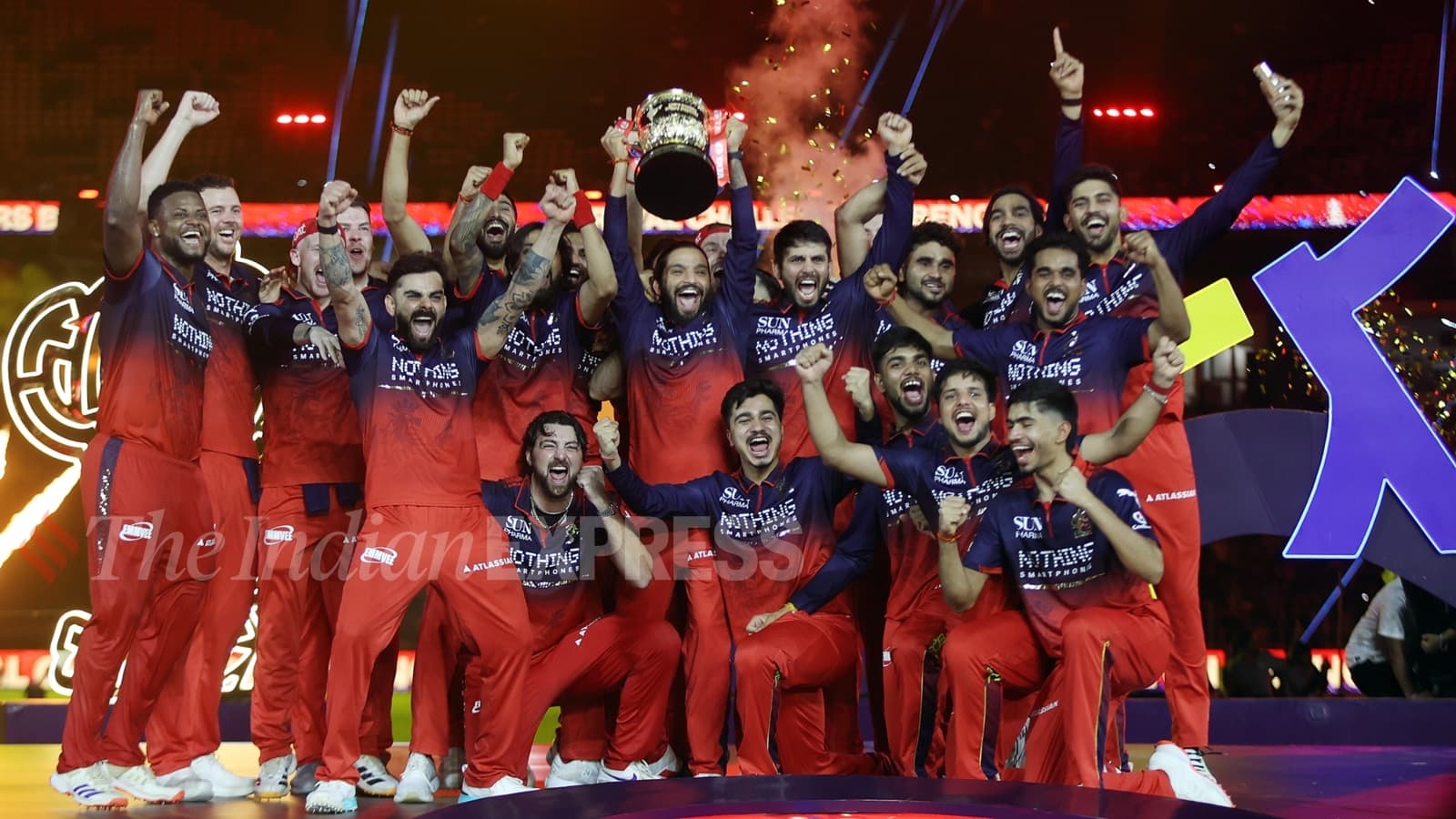
Rajat Patidar leads RCB to back-to-back IPL titles! Discover his leadership insights and goals for a historic third title in the upcoming season.
Indian Express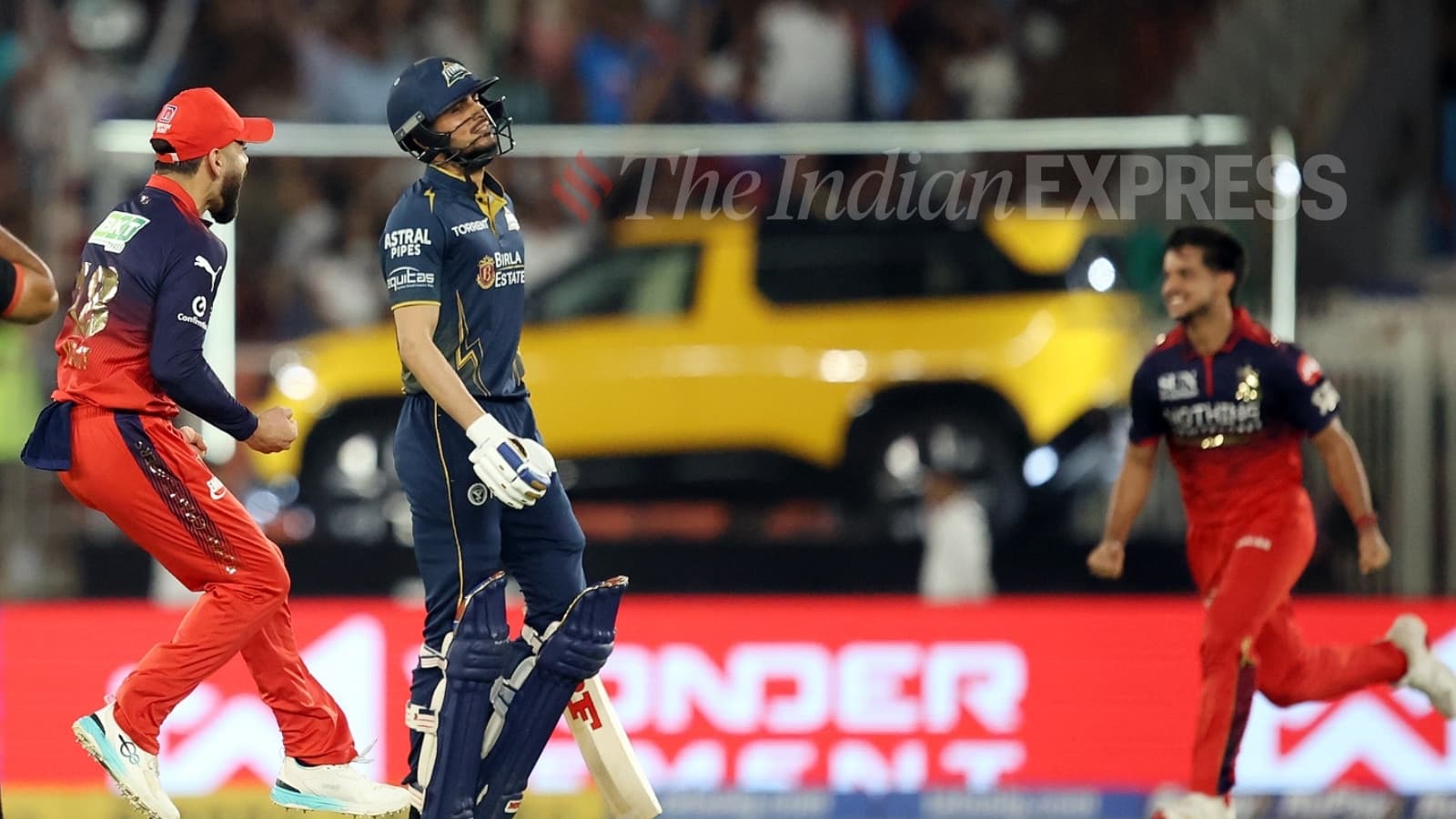
Gujarat Titans' Vikram Solanki reflects on their IPL 2026 final loss, acknowledging shortcomings and praising RCB's performance. What’s next for GT?
Indian Express
Virat Kohli and Anushka Sharma celebrate RCB's IPL 2026 victory with joy and emotion. Discover the highlights of this unforgettable night!
Indian Express