
Image: Indian Express
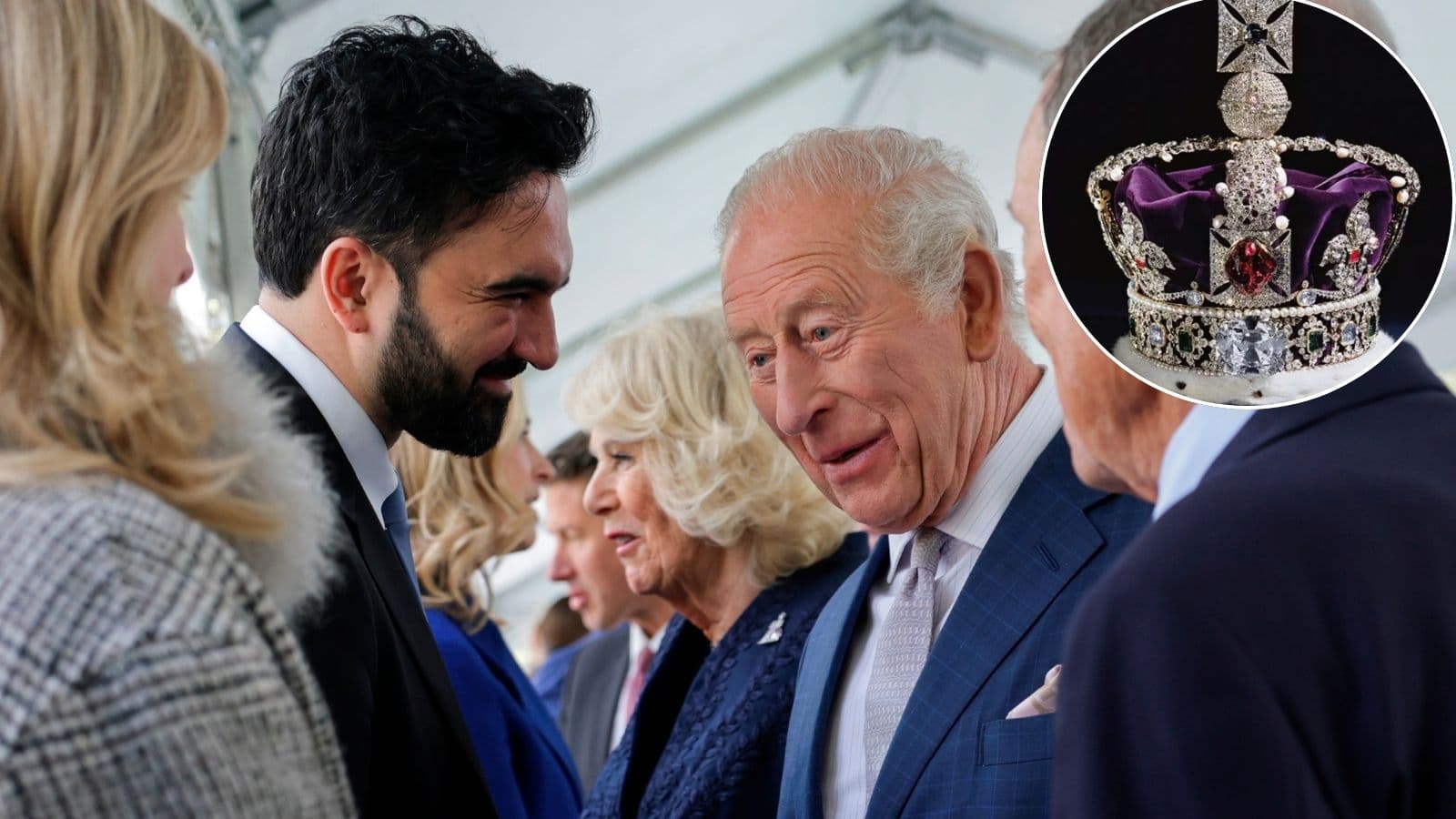
New York Mayor Zohran Mamdani calls for the return of the Koh-i-Noor diamond to India during King Charles III's U.S. visit. What's next for this historical relic?
GlipzoIn a bold statement during King Charles III's visit to the United States, New York City Mayor Zohran Mamdani expressed his desire for the Koh-i-Noor diamond to be returned to India. This declaration came amid a significant occasion commemorating the 25th anniversary of the September 11 attacks. Mamdani stated, "If I were to speak to the king separately from that [the event King Charles was attending], I would probably encourage him to return the Koh-i-Noor diamond," during a press conference before a solemn ceremony honoring the victims of that tragic day.
Mamdani's comments carry weight not only because of his position as mayor of one of the world's most influential cities but also due to his Indian roots; his mother is acclaimed filmmaker Mira Nair. The Koh-i-Noor diamond, a symbol of colonial history and contested ownership, remains a deeply emotional issue for many Indians.
The Koh-i-Noor, a 105-carat diamond, was historically significant long before its acquisition by the British. It was presented to Queen Victoria in 1850 after the annexation of Punjab by the East India Company in 1849. The diamond's journey included being taken from Maharaja Duleep Singh, a deposed Indian ruler, and its subsequent inclusion in the British Crown Jewels.
Over the years, India has made numerous appeals for the diamond's return. In 2016, the Indian government described the Koh-i-Noor as a "valued piece of art with strong roots in our nation’s history." The diamond not only holds aesthetic value but also symbolizes the historical injustices of colonialism. Notably, the first Prime Minister of India, Pandit Jawaharlal Nehru, remarked on the importance of respecting cultural artifacts, suggesting that foreign museums housing Indian art should not exploit historical ties for gain.
During his U.S. trip, King Charles laid a floral tribute at the 9/11 memorial, honoring the lives lost during the attacks. His interaction with Mayor Mamdani occurred in this solemn context, although Buckingham Palace has refrained from commenting on Mamdani's call for the diamond's return. Mamdani’s office has also not provided clarity on whether this issue was discussed during their meeting.
This visit by King Charles and Queen Camilla marks a pivotal moment in U.S.-UK relations, as they engage with historical narratives tied to both nations. The juxtaposition of a royal visit with a discussion about colonial artifacts highlights the ongoing dialogue about cultural restitution and historical accountability.
The Koh-i-Noor diamond has a storied past, having been owned by various rulers, including Mughal emperors, Iranian shahs, Afghan emirs, and Sikh maharajas. Its journey from the Kollur Mine in India to the British Crown Jewels represents centuries of history infused with power struggles, conquests, and profound cultural significance.
Presently, the diamond is displayed as part of the British Crown Jewels at the Jewel House of the Tower of London, where it attracts countless visitors each year. However, for many Indians, its presence in Britain serves as a reminder of colonial exploitation and the need for restitution.
The push for the return of the Koh-i-Noor is not just about a diamond; it encapsulates broader themes of cultural repatriation and the reevaluation of colonial legacies. It challenges countries to confront historical injustices and reassess the ownership of cultural artifacts that were taken during periods of colonial rule.
As discussions around the return of the Koh-i-Noor gain traction, it raises critical questions about how nations address their shared histories. The dialogue around the diamond is part of a larger movement advocating for the return of cultural properties to their countries of origin, igniting passion and debate across the globe.
As the conversation surrounding the Koh-i-Noor intensifies, it will be imperative to watch for any official responses from the British monarchy or government regarding the diamond's future. The engagement of prominent figures like Mayor Mamdani could pave the way for further discussions about cultural restitution, potentially influencing public sentiment and policy.
Moreover, as the world becomes more interconnected, the advocacy for the return of cultural artifacts may lead to a broader reassessment of historical ownership and responsibility. The outcomes of these discussions will likely contribute to shaping the narrative of colonial history and its lasting impact on contemporary society.
In conclusion, the Koh-i-Noor diamond stands at the intersection of history and modern diplomacy. As voices call for its return, the implications extend far beyond the diamond itself, prompting reflection on the legacies of colonialism and the importance of honoring cultural heritage.
Stay updated with the latest - Click here to follow us on Instagram!

Tensions soar as the US and Iran engage in air strikes near the Strait of Hormuz, raising concerns over global oil supply and regional stability.
BBC World
Trump's international interventions face serious stalemates. What will this mean for U.S. foreign policy? Explore the critical challenges ahead.
Indian Express
Tehran denies resignation of President Masoud Pezeshkian amid claims of IRGC influence. What does this mean for Iran's political stability? Click to learn more!
Indian Express