
Image: BBC World
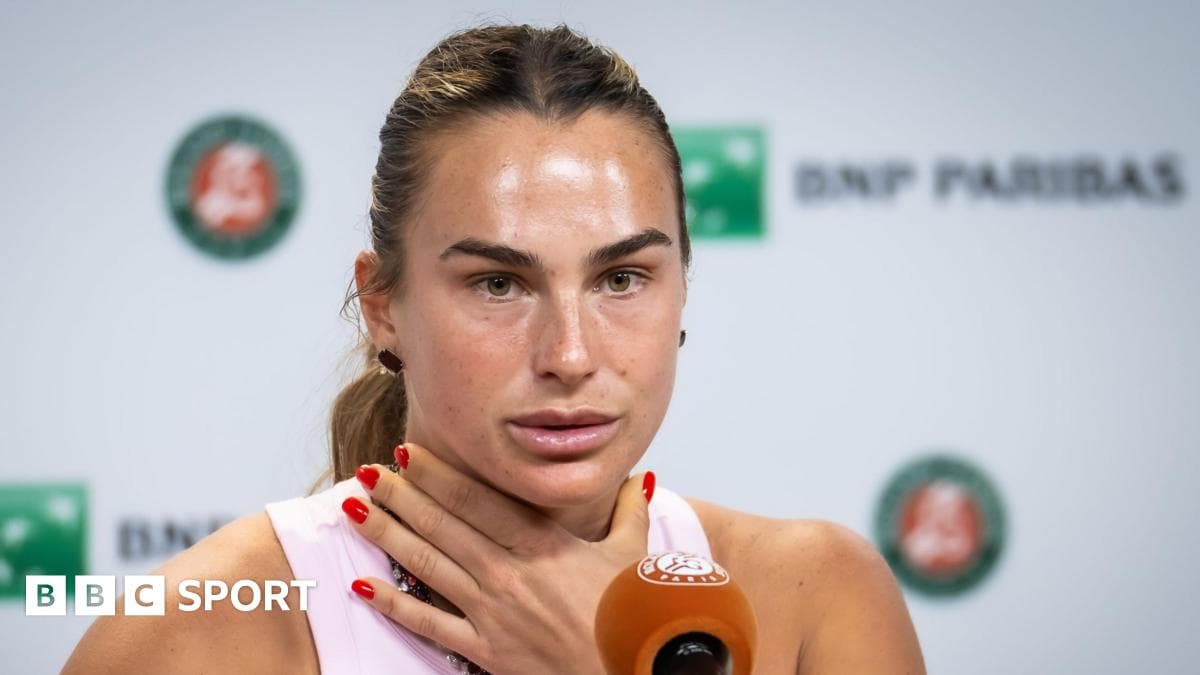
Discover why Aryna Sabalenka and top players are protesting at the French Open, demanding fairer prize money and player rights amidst rising tensions.
GlipzoIn a surprising turn of events at the 2023 French Open, world number one Aryna Sabalenka made headlines by cutting short her media conference, echoing the growing discontent among players regarding the prize money distribution. This decision comes amid a collective protest from top tennis athletes, emphasizing their demand for a more equitable share of the revenue generated by the Grand Slam tournaments.
As athletes gear up for one of the most prestigious events in tennis, the focus has shifted from the courts to the ongoing negotiations about prize money. The players are advocating for a larger portion of the tournament's revenue, which they believe should better reflect their contributions.
Sabalenka's 15-minute limit on media duties is not just a gesture; it symbolizes the 15% of revenue that the French Open currently allocates to prize money. This figure has become a point of contention, prompting several prominent players to join the protest. Among them are Jannik Sinner, the men's world number one, and Iga Swiatek, a four-time French Open champion.
Other notable athletes, including Coco Gauff, have voiced their support for this initiative. Gauff remarked, "I'm proud that we were all able to get on the same page," highlighting the unity among players in an otherwise individualistic sport. This collective action signifies a significant shift in player advocacy and solidarity.
The crux of the players' grievances revolves around three key issues:
These demands come after a year of discussions between players and Grand Slam organizers, yet many feel progress has been disappointingly slow. Sabalenka, in her remarks, emphasized the players' unity and determination, stating, "15 minutes is better than zero."
Despite the protests, not every top player participated in the media boycott. Novak Djokovic, a frequent advocate for player rights, chose not to engage in the action. He explained, "I haven't been part of the process, the conversation, the planning or decision-making," but reiterated his longstanding support for players' rights.
This divide may highlight a broader issue within the tennis community, where some players feel excluded from discussions that directly affect their livelihoods. Taylor Fritz, ranked eighth in the world, voiced frustrations, stating that they acted because they felt ignored.
The prize money for this year's Roland Garros has seen a 9.5% increase compared to previous years. However, this is significantly lower than the 20% increase at the US Open and nearly 16% at the Australian Open. Such disparities in prize money growth only fuel the players' arguments for a fairer distribution model.
Amelie Mauresmo, the tournament director, expressed her sadness regarding the players' protest but maintained optimism about resolving the issues. Mauresmo, along with Gilles Moretton, the president of the French Tennis Federation, is expected to meet with Larry Scott, the former WTA chairman, to discuss the ongoing negotiations and potential solutions.
The ongoing dispute at the French Open is more than just about prize money; it represents a fundamental shift in how players negotiate their rights and welfare in professional sports. For years, tennis players, particularly those outside the top rankings, have struggled to make a living from the sport. By taking a stand, these players are not only advocating for themselves but also for future generations of athletes who aspire to compete at the highest levels.
The outcome of these discussions could redefine the financial landscape of tennis, impacting everything from tournament operations to player support systems. The demand for a larger share of revenue also speaks to a growing trend across sports, where athletes are increasingly vocal about their rights and compensation.
As the French Open continues, all eyes will be on the players' actions and the responses from tournament officials. The collective protest may serve as a catalyst for more significant changes in how tennis operates on a financial level, especially regarding prize money and player welfare.
It will be crucial to monitor how the discussions unfold and whether the Grand Slam tournaments can reach a consensus that satisfies the players' concerns. If the players remain united in their demands, the sport may witness a transformative shift that could ultimately enhance the experience and livelihoods of all those involved in professional tennis.
In conclusion, the events at Roland Garros could mark a pivotal moment in tennis history, one where players' voices are not only heard but respected and acted upon. As the tournament progresses, the implications of this protest will undoubtedly echo throughout the sport for years to come.
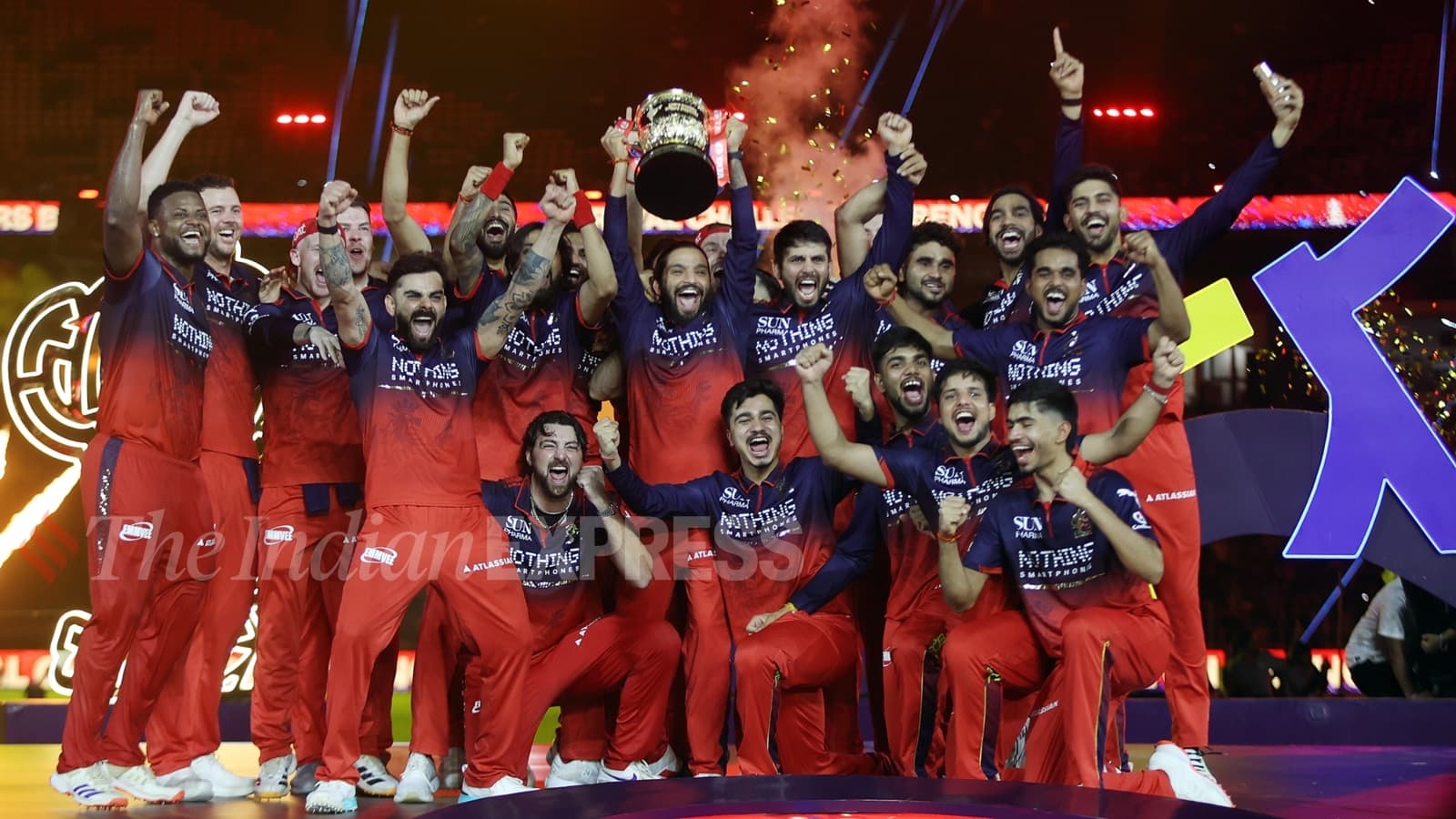
Rajat Patidar leads RCB to back-to-back IPL titles! Discover his leadership insights and goals for a historic third title in the upcoming season.
Indian Express
Gujarat Titans' Vikram Solanki reflects on their IPL 2026 final loss, acknowledging shortcomings and praising RCB's performance. What’s next for GT?
Indian Express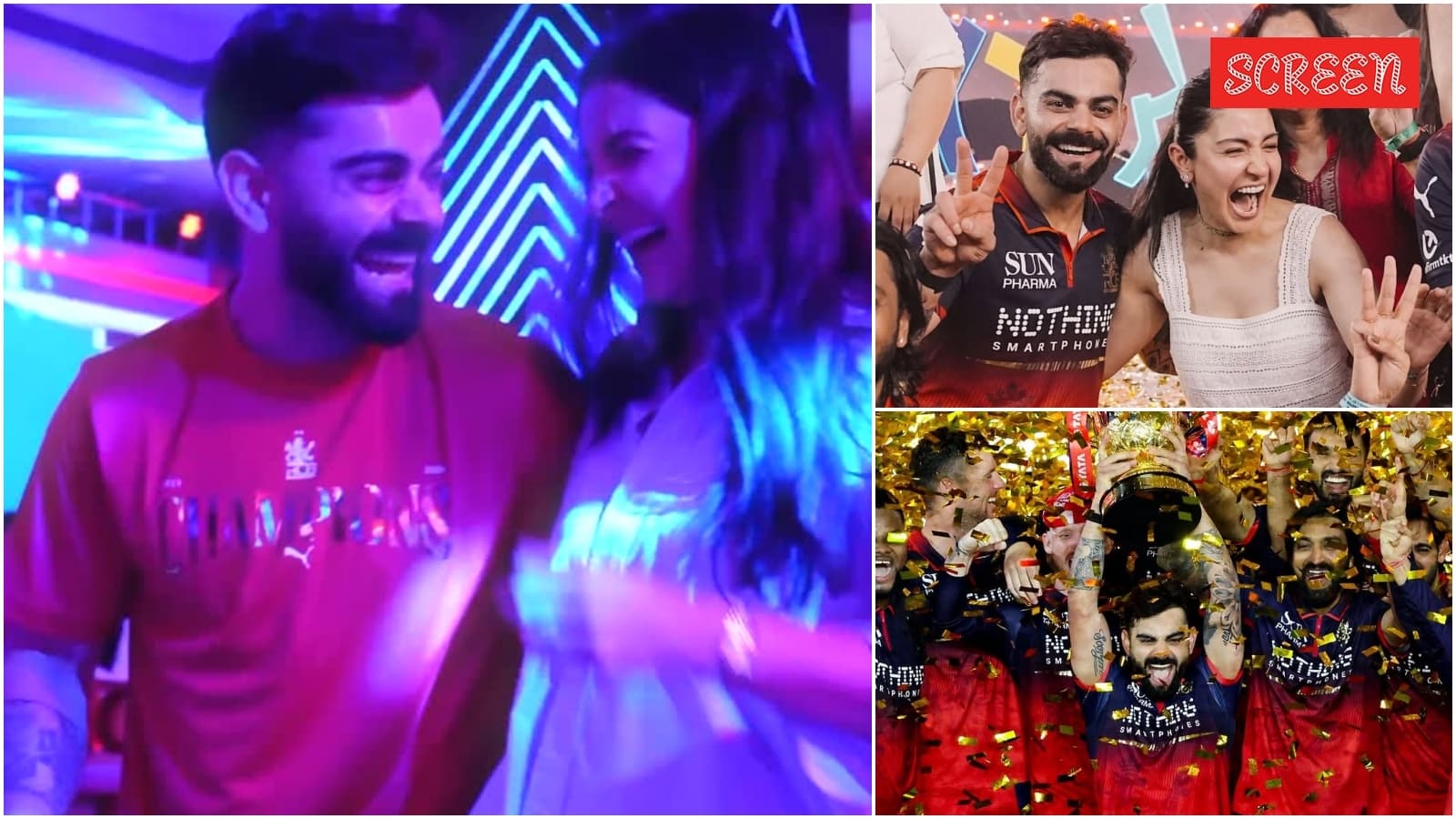
Virat Kohli and Anushka Sharma celebrate RCB's IPL 2026 victory with joy and emotion. Discover the highlights of this unforgettable night!
Indian Express