
Image: Indian Express
Discover the deepening political divide in Assam's Assembly as the BJP pushes for a Uniform Civil Code, igniting fierce debates over representation and community rights.
GlipzoThe recent Assam Assembly elections have resulted in a legislature that starkly reflects communal divides, with the ruling Bharatiya Janata Party (BJP) dominating the Assembly. As the dust settles, the implications of this political landscape are becoming evident, particularly in the rhetoric employed by the BJP and the strategic positioning of the Opposition Congress.
Out of 126 seats in the Assembly, the National Democratic Alliance (NDA) holds a commanding 102 seats, with the BJP capturing 82 seats. Its allies, the Asom Gana Parishad (AGP) and the Bodoland People's Front (BPF), have secured 10 seats each. This overwhelming majority primarily comes from areas with substantial ethnic Assamese, Hindu, and tribal populations, while the Opposition, which managed to win only 24 seats, is composed mainly of Muslim leaders. Notably, only two of the Opposition MLAs are Hindus: Joy Prakash Das from Congress and Akhil Gogoi from Raijor Dal. This composition has led to increased tensions and accusations of divisive politics.
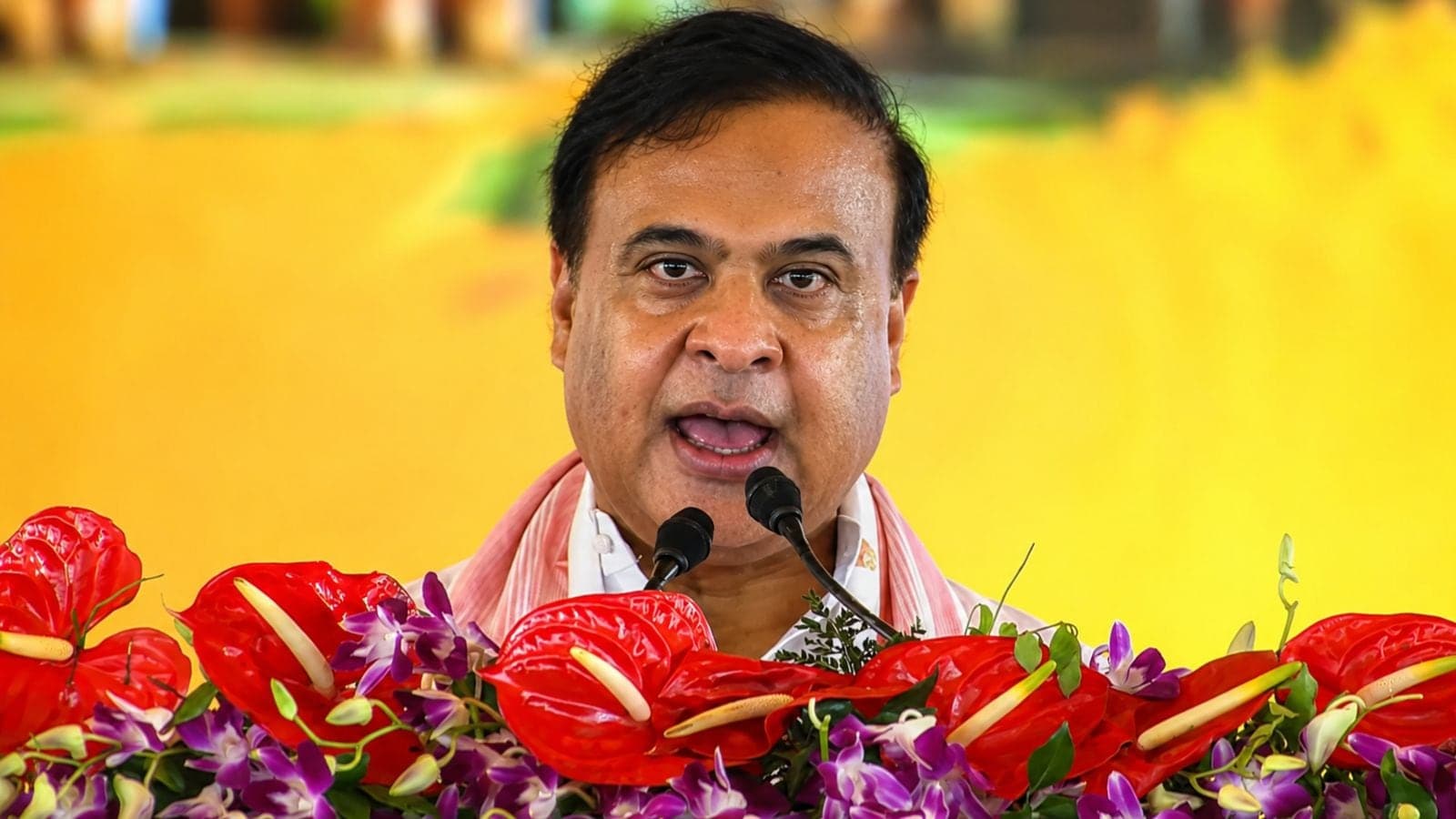
In a significant move, Chief Minister Himanta Biswa Sarma introduced the Uniform Civil Code (UCC) during the first session of the newly elected Assembly. This introduction has sparked intense debate among lawmakers, revealing the underlying communal divisions. The Chief Minister has frequently targeted Bengali-origin Muslims, framing the UCC as a necessary measure for social reform. In his remarks, Sarma claimed that the Opposition's objections further underscored their lack of representation for the state's diverse communities.
"The composition of the Assembly itself proves that Congress does not represent Assam in its entirety today. It only represents a particular religious community," Sarma stated, criticizing the Opposition's limited perspective on the UCC. He emphasized that the Congress party failed to voice the interests of Hindus, Christians, or tribal groups during the debate, instead focusing on what he termed a narrow religious agenda.
During the heated discussions, Congress Legislature Party (CLP) leader Wazed Ali Choudhury and other Opposition members raised concerns about the need for a UCC, arguing that existing laws are sufficient to protect women's rights and address issues like child marriage and polygamy. Choudhury questioned the political motives behind the UCC, stating:
The Opposition also called for public consultations with community leaders before moving forward with the UCC, raising alarms about potential infringements on personal liberties. Several MLAs cited Articles 25 and 26 of the Indian Constitution, which protect the freedom of religion and personal law, arguing that the imposition of a uniform code contradicts the multicultural ethos of the state.
The political dynamics in Assam are not just a reflection of the recent elections but also a signal of deeper societal fractures. The stark divide in the Assembly raises critical questions about representation and governance in a state that prides itself on its diverse cultural fabric. The choice of Choudhury as the CLP leader highlights the Congress party's strategy to balance representation within a fractured legislature, seeking to appeal to both Hindu and minority voters.
The Trinamool Congress’s Sherman Ali Ahmed also voiced opposition to parts of the UCC, arguing that they violate the Quran, emphasizing the need to respect religious texts in legislative reforms.
As Assam navigates this contentious political landscape, the future remains uncertain. The BJP's push for the UCC and their framing of the Congress as a communal entity may reshape the political narrative and influence upcoming elections. The Opposition's calls for inclusivity and representation will be put to the test as the UCC debate unfolds.
The legislative debates in Assam will not only impact the state's governance but also reflect broader trends in Indian politics, where communal narratives increasingly dominate. As the BJP consolidates power, the response from the Opposition, particularly in terms of strategy and public engagement, will be pivotal in the months to come.
In conclusion, the Assam Assembly's current configuration is a microcosm of larger national issues, including communalism, representation, and the balance between tradition and reform. Observers will be keenly watching how these dynamics play out in the near future, especially as the BJP continues to push its agenda while the Congress seeks to redefine its role and message in this evolving political landscape.

Tensions soar as the US and Iran engage in air strikes near the Strait of Hormuz, raising concerns over global oil supply and regional stability.
BBC World
Trump's international interventions face serious stalemates. What will this mean for U.S. foreign policy? Explore the critical challenges ahead.
Indian Express
Tehran denies resignation of President Masoud Pezeshkian amid claims of IRGC influence. What does this mean for Iran's political stability? Click to learn more!
Indian Express