
Image: BBC Science
New research reveals alarming impacts of sand dredging on Lough Neagh's ecosystem. Discover the findings and what they mean for the lake's future.
GlipzoRecent findings from Queen's University Belfast have sparked significant concern regarding the environmental impact of sand dredging in Lough Neagh, the largest lake in Ireland. Researchers indicate that the effects of commercial dredging may be more extensive and long-lasting than previously recognized. This alarming revelation has prompted questions about the ecological health of the lake and highlights the need for comprehensive management strategies.
The study uncovered that dredging disturbances are not only concentrated in the areas of extraction but also affect the broader ecosystem. With commercial dredging licensed since 2021, the majority of extracted sand is supplied to the construction industry. However, the research suggests that the consequences of these activities could be detrimental to the lake's ecological balance.
In response to the study, a representative from the Lough Neagh Sand Traders (LNST) group has dismissed the findings, asserting that an environmental impact assessment conducted prior concluded there would be no adverse effects on the lake's integrity. These companies, which were granted licenses after a public inquiry endorsed by the former Infrastructure Minister Nichola Mallon, pay a fee to the Earl of Shaftesbury for every tonne of sand extracted.
This ongoing controversy raises critical questions about the ongoing management of Lough Neagh’s natural resources and the sustainability of dredging practices. The LNST spokesperson emphasized that the recent study does not represent a groundbreaking assessment of dredging's ecological effects, suggesting that the implications have already been evaluated.
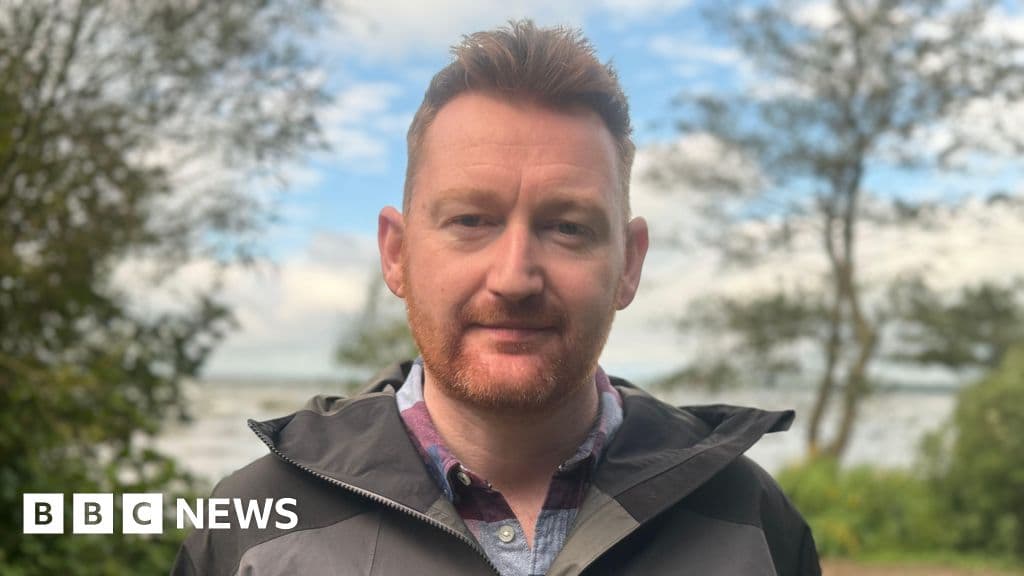
The lead researcher, Dr. Neil Reid, expressed that this latest investigation employs innovative techniques to assess the lake's conditions. By integrating sonar mapping and satellite imagery, the team was able to reveal the extent of sediment displacement resulting from dredging activities. The findings showed that sand extraction could lower the lake bed by 10 to 20 meters, leaving deep scars on the ecosystem.
Moreover, the analysis demonstrated that sediment from dredging extends far beyond the immediate extraction sites, affecting approximately half of Lough Neagh. Dr. Reid remarked, "The boats overflow and over-spill sediment, propellers churn sediment up on the lake bed, and there's run-off from the storage yards."
The implications of increased sedimentation are troubling, as it has well-documented negative effects on aquatic ecosystems. Dr. Reid highlighted several potential consequences of this phenomenon:
These changes can disrupt the delicate balance of Lough Neagh's ecosystem, leading to long-term challenges for the lake's biodiversity and overall health.
Despite the grim findings, Dr. Reid believes there are various strategies that could mitigate the environmental impacts of sand dredging. Suggestions include:
These practical measures could help balance the need for sand extraction with the imperative of preserving Lough Neagh’s ecological integrity.
Lough Neagh has faced significant challenges in recent years, particularly with toxic blue-green algal blooms that have turned the lake green during the summer months. The proliferation of these blooms has been linked to elevated phosphorus levels from various sources, including agricultural runoff, wastewater, and household detergents.
To address these nutrient-related issues, the Lough Neagh Action Plan is being implemented. This plan aims to reduce nutrient input and facilitate the recovery of the lake over several years, emphasizing the importance of holistic management practices.
Dr. Reid's findings underscore the urgency for comprehensive management of Lough Neagh, stating, "If the lake is to recover, management cannot focus on nutrients alone while ignoring physical disturbance." This statement places a significant responsibility on governmental bodies to ensure that regulations, monitoring, and enforcement accurately reflect the true scale of impacts from sand extraction.
As research continues, stakeholders and policymakers must take heed of these findings and work collaboratively to protect Lough Neagh's fragile ecosystem. The future of the lake hangs in the balance, and immediate action may be critical to ensure its sustainability for generations to come.
The ongoing debate surrounding sand dredging in Lough Neagh highlights a broader issue of resource management in ecologically sensitive areas. Moving forward, it will be essential for government agencies, environmental groups, and industry stakeholders to engage in dialogue to develop sustainable practices that benefit both the economy and the environment.
As the research progresses, observers should watch for updates on the Lough Neagh Action Plan and any potential regulatory changes affecting dredging practices. The health of Lough Neagh depends on the actions taken today to safeguard its future.

Discover how the brain protein Menin could be the key to halting cognitive decline with new research that uncovers its vital role in aging.
Indian Express
A new 'killer fungus' discovered in the UK targets invasive heath-star moss, offering hope for restoring native habitats. Will it turn the tide against invasives?
BBC Science
A Blue Origin rocket exploded during a test in Florida, prompting investigations. All personnel are safe. What does this mean for the future of space travel?
BBC Business