
Glipzo
WorldTechnologyBusinessSportsEntertainmentScienceHealthPolitics
Glipzo
WorldTechnologyBusinessSportsEntertainmentScienceHealthPolitics
  1. Home
  2. /
  3. Politics
  4. /
  5. Major Legal Challenge: Suspended DIG Bhullar Takes on CBI
Major Legal Challenge: Suspended DIG Bhullar Takes on CBI

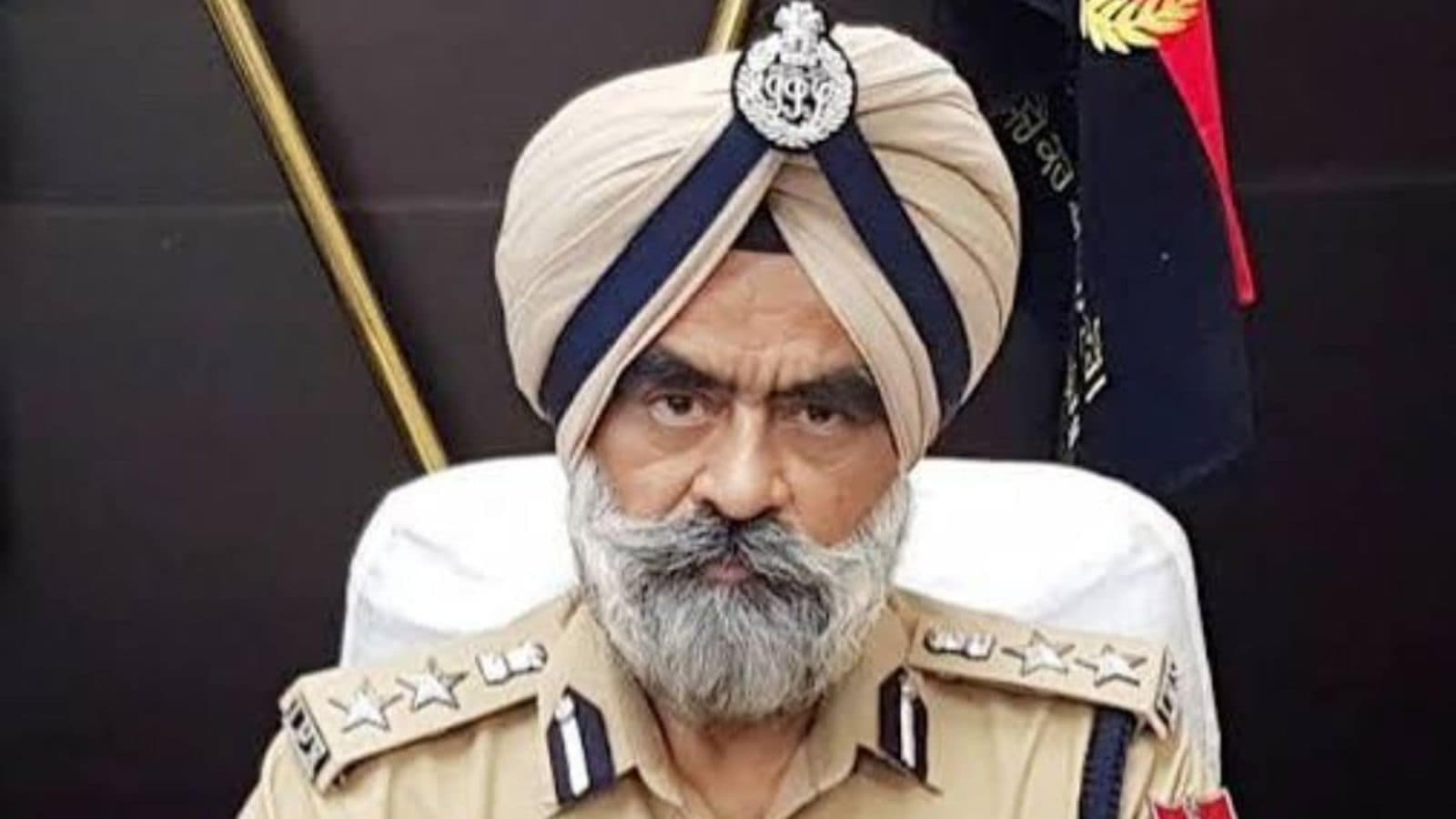
Image: Indian Express

Politics
Wednesday, May 13, 20264 min read

Major Legal Challenge: Suspended DIG Bhullar Takes on CBI

Suspended DIG Harcharan Singh Bhullar challenges CBI's jurisdiction in corruption case as Punjab High Court issues notice to key authorities.

Glipzo News Desk|Source: Indian Express
Share
Glipzo

Key Highlights

  • Punjab High Court issues notice to Centre and CBI on Bhullar's petition.
  • Bhullar argues CBI lacks jurisdiction after Punjab rescinded consent.
  • Legal experts weigh in on implications for federal structure in India.
  • Bhullar seeks to quash FIR, citing violation of constitutional rights.

In this article

  • Overview of the Case Against DIG Harcharan Singh Bhullar On **Tuesday**, the **Punjab and Haryana High Court** took a significant step in the ongoing legal saga involving suspended Deputy Inspector General **Harcharan Singh Bhullar**. The court issued notices to the **Central Government**, the **Central Bureau of Investigation (CBI)**, and the **Punjab Government** in response to Bhullar's petition aimed at quashing the First Information Report (FIR) lodged against him in a **corruption case**. This development raises crucial questions about the jurisdiction of the CBI in cases involving state officers, particularly in light of Punjab's recent withdrawal of consent for CBI investigations.
  • Bhullar's Legal Arguments and Request for Quashing the FIR In his petition, Bhullar is seeking to have not only the FIR quashed but also all related legal actions, which include his **arrest**, **remand**, and the ongoing investigation itself. His argument hinges on the assertion that the CBI lacks jurisdiction to initiate any inquiry or action within Punjab without explicit consent from the state government.
  • Background of the Case: Allegations and Investigations Bhullar, who began his career as a member of the **Punjab Police Service** in **1993** and ascended to the **Indian Police Service (IPS)** in **2015**, faces serious allegations. On **October 2023**, the **Punjab Vigilance Bureau** initiated an investigation against him regarding corruption. However, in **October 2025**, the CBI registered a separate FIR based on a bribery complaint, despite the fact that the allegations were already being investigated by the state agency.
  • Jurisdictional Concerns and Constitutional Protections Bhullar’s legal representatives further argue that matters concerning “police” and “public order” fall within the **State List** of the **Seventh Schedule** of the Indian Constitution. They contend that, without the state's express consent, the CBI's investigation into a state cadre officer is unauthorized and undermines the federal structure of governance in India.
  • Next Steps in the Legal Proceedings Seeking immediate relief, Bhullar has asked the High Court to stay all proceedings related to the disputed FIR. He is also requesting that the CBI be barred from taking any coercive actions against him while the matter is under consideration.
  • Conclusion: Implications for Governance and Law Enforcement The ongoing case against Harcharan Singh Bhullar reflects broader issues of jurisdiction, federalism, and the integrity of law enforcement in India. As the court prepares to hear responses from the involved parties, the outcome could reshape the parameters of CBI investigations in Punjab and potentially influence similar cases across the country.

Overview of the Case Against DIG Harcharan Singh Bhullar On **Tuesday**, the **Punjab and Haryana High Court** took a significant step in the ongoing legal saga involving suspended Deputy Inspector General **Harcharan Singh Bhullar**. The court issued notices to the **Central Government**, the **Central Bureau of Investigation (CBI)**, and the **Punjab Government** in response to Bhullar's petition aimed at quashing the First Information Report (FIR) lodged against him in a **corruption case**. This development raises crucial questions about the jurisdiction of the CBI in cases involving state officers, particularly in light of Punjab's recent withdrawal of consent for CBI investigations.

Bhullar's legal team asserts that the CBI overstepped its authority by launching an investigation into allegations of corruption after the Punjab government withdrew its general consent under the Delhi Special Police Establishment (DSPE) Act on November 6, 2020. As the case unfolds, the implications for law enforcement and governance in Punjab will be closely watched.

Bhullar's Legal Arguments and Request for Quashing the FIR In his petition, Bhullar is seeking to have not only the FIR quashed but also all related legal actions, which include his **arrest**, **remand**, and the ongoing investigation itself. His argument hinges on the assertion that the CBI lacks jurisdiction to initiate any inquiry or action within Punjab without explicit consent from the state government.

The petition highlights that the Punjab government had previously given the CBI consent to operate within the state, but that consent was rescinded in late 2020. Bhullar contends that the CBI cannot act independently in matters connected to Punjab unless it receives fresh authorization or a directive from a constitutional court. His legal team argues that this lack of consent renders the FIR and subsequent proceedings "null and void, illegal, and unconstitutional."

Background of the Case: Allegations and Investigations Bhullar, who began his career as a member of the **Punjab Police Service** in **1993** and ascended to the **Indian Police Service (IPS)** in **2015**, faces serious allegations. On **October 2023**, the **Punjab Vigilance Bureau** initiated an investigation against him regarding corruption. However, in **October 2025**, the CBI registered a separate FIR based on a bribery complaint, despite the fact that the allegations were already being investigated by the state agency.

This raises significant legal concerns, as Bhullar's petition argues that registering a second FIR on the same allegations contradicts established legal precedents set by the Supreme Court of India. According to his legal representatives, the CBI's actions may be seen as an intrusion into the jurisdiction of the Punjab Vigilance Bureau, which is responsible for investigating corruption within the state.

Jurisdictional Concerns and Constitutional Protections Bhullar’s legal representatives further argue that matters concerning “police” and “public order” fall within the **State List** of the **Seventh Schedule** of the Indian Constitution. They contend that, without the state's express consent, the CBI's investigation into a state cadre officer is unauthorized and undermines the federal structure of governance in India.

In addition to jurisdictional concerns, Bhullar raised serious issues regarding the manner of his arrest. He claims that his constitutional rights and statutory protections were violated throughout the proceedings against him, including a lack of due process during his arrest and subsequent interrogation. His petition emphasizes the need for the court to ensure that all legal safeguards are upheld.

Next Steps in the Legal Proceedings Seeking immediate relief, Bhullar has asked the High Court to stay all proceedings related to the disputed FIR. He is also requesting that the CBI be barred from taking any coercive actions against him while the matter is under consideration.

The High Court, led by Justice Sumeet Goel, has now directed the Centre, the Punjab Government, and the CBI to respond to Bhullar's petition by May 26. This timeline sets the stage for a crucial hearing that could have far-reaching implications for law enforcement agencies and the legal landscape in Punjab.

Conclusion: Implications for Governance and Law Enforcement The ongoing case against Harcharan Singh Bhullar reflects broader issues of jurisdiction, federalism, and the integrity of law enforcement in India. As the court prepares to hear responses from the involved parties, the outcome could reshape the parameters of CBI investigations in Punjab and potentially influence similar cases across the country.

What to Watch For: As this case progresses, observers should monitor how the High Court interprets the jurisdictional claims made by Bhullar and the implications of its ruling for future CBI operations within states that have withdrawn consent. This case not only highlights the intersection of law and governance but also underscores the ongoing tensions between state and central authorities in India.

Did you find this article useful? Share it!

Share

Related Articles

Critical Air Strikes Erupt Between US and Iran in Gulf Region
Politics
Jun 1, 2026

Critical Air Strikes Erupt Between US and Iran in Gulf Region

Tensions soar as the US and Iran engage in air strikes near the Strait of Hormuz, raising concerns over global oil supply and regional stability.

BBC World

Trump Faces Stalemate in International Military Strategy
Politics
Jun 1, 2026

Trump Faces Stalemate in International Military Strategy

Trump's international interventions face serious stalemates. What will this mean for U.S. foreign policy? Explore the critical challenges ahead.

Indian Express

Tehran Denies Rumors of President Pezeshkian’s Resignation
Politics
Jun 1, 2026

Tehran Denies Rumors of President Pezeshkian’s Resignation

Tehran denies resignation of President Masoud Pezeshkian amid claims of IRGC influence. What does this mean for Iran's political stability? Click to learn more!

Indian Express

Categories

  • World
  • Technology
  • Business
  • Sports

More

  • Entertainment
  • Science
  • Health
  • Politics

Explore

  • Web Stories
  • About Us
  • Contact

Legal

  • Privacy Policy
  • Terms of Service
  • Disclaimer

© 2026 Glipzo. All rights reserved.