
Image: BBC Health
The Johnson & Johnson talcum powder case expands to 7,111 claimants, alleging asbestos contamination linked to cancer. Discover the implications of this legal battle.
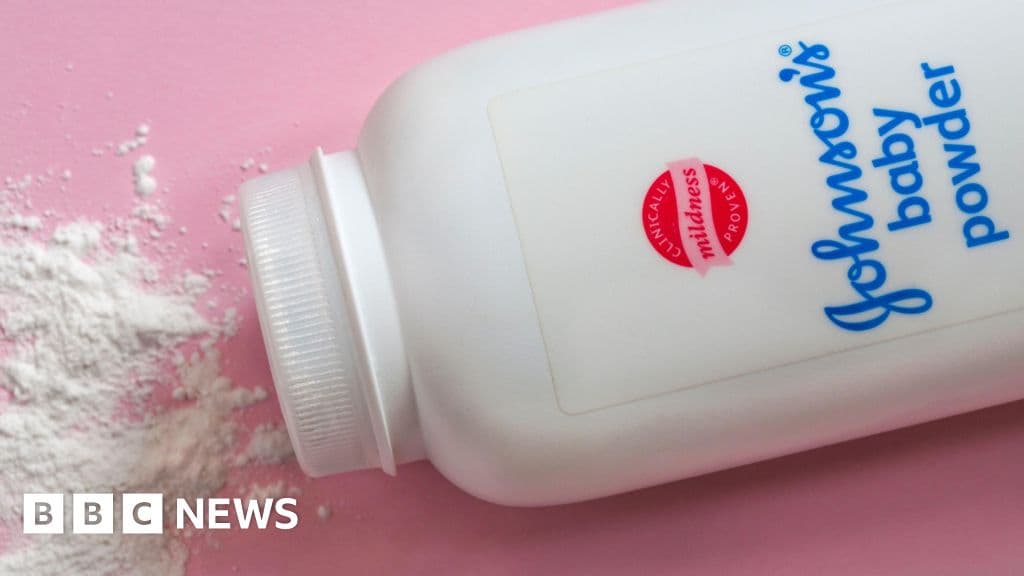
GlipzoA significant legal battle is unfolding in the UK as Johnson & Johnson (J&J) faces accusations of knowingly distributing talcum powder tainted with asbestos. The number of claimants in this case has swelled to 7,111, marking it as potentially the largest product liability lawsuit in British history. Originally starting with just 3,000 claimants, the court proceedings kicked off on Wednesday in the High Court, drawing increased attention to the serious allegations against the pharmaceutical giant.
The claimants in this case allege that J&J was aware as far back as the 1960s that its baby powder contained harmful contaminants linked to various forms of cancer, including ovarian cancer and mesothelioma. All individuals involved in the lawsuit have been diagnosed with cancers they attribute to exposure to asbestos, which they believe was present in the talcum powder they used over the years. J&J has firmly denied these allegations, asserting that their baby powder is safe and compliant with all regulatory standards.
The impact of these claims is devastating, as many of the affected individuals are battling severe health issues. For instance, the legal team representing the claimants, KP Law, has highlighted the urgency of the situation: one claimant succumbs to their illness every three days. This sobering statistic underscores the critical nature of the ongoing litigation.
As the court hearings proceed, the focus has shifted to the logistics of how the case will progress. While both sides agree on the appropriateness of group litigation, significant disagreements have emerged regarding the information requested from the claimants. KP Law argues that some of the information sought by the defendants is excessive and unwarranted, likening it to demanding full witness statements from each individual. They contend that such requests could be an attempt to impede the legal process.
Conversely, the defense maintains that their information requests are reasonable and necessary for a fair trial, dismissing the claimants' assertions as unjustified. This back-and-forth highlights the complexity and tension inherent in large-scale litigations of this nature, where the stakes are incredibly high for all parties involved.
The human cost of this legal battle is painfully illustrated by the story of Margaret Manion, who joined the lawsuit in late 2024. Diagnosed with ovarian cancer in April 2024, she tragically passed away in November 2025 at the age of 73. Margaret's history with baby powder is all too common; she used it daily throughout her life, just as her mother had used it on her as a child. Her partner, Tony Bowden, expressed the profound impact of her diagnosis, describing it as a 'bombshell' that transformed their lives.
Tony reflected on the two years of her illness, calling them the most painful experience for both Margaret and her family. Despite the dire prognosis, he praised her strength and resilience throughout her struggle. Such personal stories are at the heart of this litigation, illustrating the potential consequences of corporate negligence and the need for accountability.
In response to the allegations, J&J has steadfastly maintained that their talcum powder has always adhered to regulatory requirements, asserting that it does not contain asbestos and does not cause cancer. The company has faced scrutiny over its marketing practices, accused of promoting baby powder as a safe and pure product without adequately warning consumers about potential risks. As the litigation continues, this aspect of the case will likely remain a focal point.
The sale of baby powder containing talc was halted in the UK in 2023, indicating a significant shift in public perception and regulatory stance regarding the safety of such products.
As the current hearing wraps up, a judgment is anticipated at a later date. However, legal experts suggest that it may take years for the case to reach a conclusion, given its complexity and the number of claimants involved. The outcome will not only impact the lives of those currently suffering but may also set precedents for future product liability cases.
The implications of this case extend beyond the courtroom, raising vital questions about corporate responsibility and consumer safety. As the litigation unfolds, it will be critical to observe how both sides navigate the legal challenges ahead and the potential ramifications for J&J and similar companies in the industry.
This case is emblematic of the broader issues surrounding consumer safety and corporate accountability. The outcome could lead to significant changes in how companies disclose product safety information and how they respond to allegations of harm. As public awareness of such issues continues to grow, the legal landscape may evolve, prompting stricter regulations and a renewed focus on protecting consumers from harmful products.
In conclusion, the Johnson & Johnson talcum powder case serves as a stark reminder of the potential dangers lurking in everyday products and the urgent need for transparency in corporate practices.

Tensions soar as the US and Iran engage in air strikes near the Strait of Hormuz, raising concerns over global oil supply and regional stability.
BBC World
Trump's international interventions face serious stalemates. What will this mean for U.S. foreign policy? Explore the critical challenges ahead.
Indian Express
Tehran denies resignation of President Masoud Pezeshkian amid claims of IRGC influence. What does this mean for Iran's political stability? Click to learn more!
Indian Express