
Image: BBC World
The IOC has ruled that from 2028, women's Olympic sports will be limited to biological females, sparking significant debate and implications for athletes.
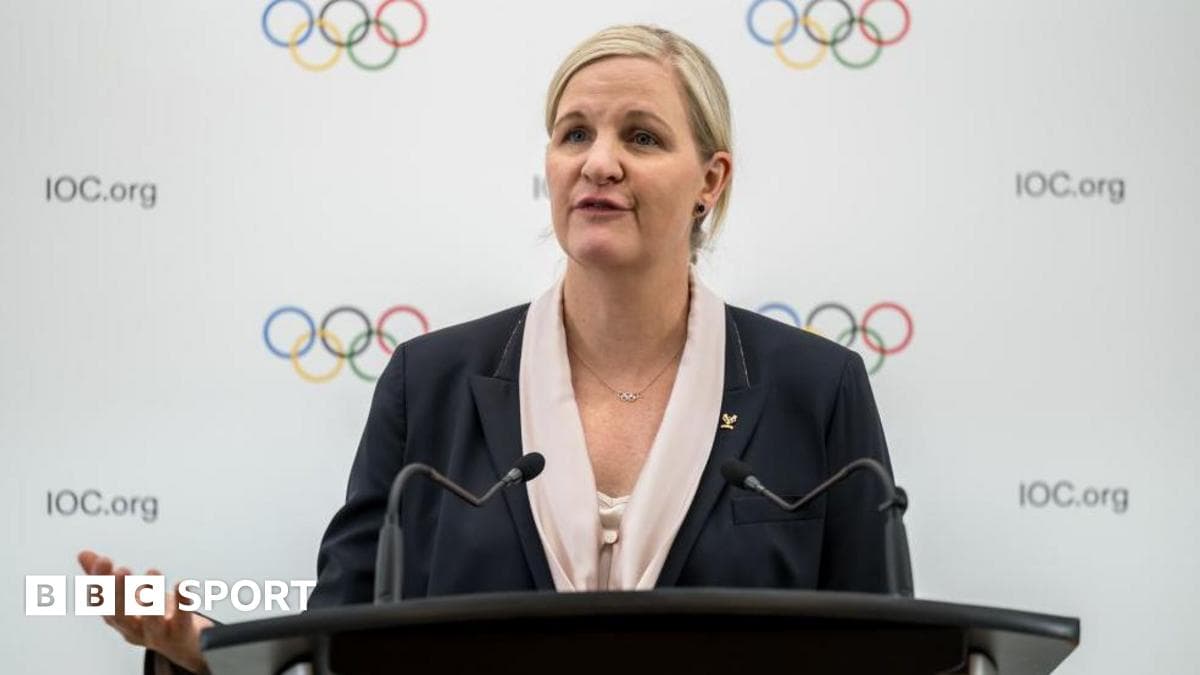
GlipzoIn a landmark decision, the International Olympic Committee (IOC) has announced that starting from the 2028 Los Angeles Olympics, the women's category of Olympic sports will be exclusively available to biological females. This significant change, confirmed by IOC President Kirsty Coventry, aims to address ongoing controversies surrounding the participation of transgender women and athletes with differences in sexual development (DSD) in women's events.
The IOC's new policy will implement a "once-in-a-lifetime" sex test to determine eligibility, which will screen for the SRY gene—a key identifier linked to male characteristics. Coventry emphasized that this decision is rooted in expert medical advice, stating, "At the Olympic Games, even the smallest margins can be the difference between victory and defeat. It is absolutely clear that it would not be fair for biological males to compete in the female category."
The policy is set to take effect during the 2028 Olympic Games and will mark a significant shift from the IOC's prior approach, which allowed individual sports governing bodies to set their own eligibility criteria. Coventry elaborated on the rationale behind this new guideline, explaining that safety and fairness are paramount in competitive sports. Athletes who do not test positive for the SRY gene through a saliva, cheek swab, or blood sample will be deemed eligible to compete in the female category for their lifetime.
Key points regarding the IOC's decision include: - SRY gene screening to be conducted via non-intrusive methods. - Athletes testing negative for the SRY gene will permanently meet the eligibility criteria for female competition. - Those who do not pass the test can still participate in other categories, such as male or open classifications.
This policy arrives at a time when many sports have already instituted similar bans. Notably, athletics, swimming, cycling, and rowing have restricted transgender women from participating in women's events, while others have allowed participation conditional on lowered testosterone levels.
The IOC's decision comes on the heels of growing scrutiny over the inclusion of transgender athletes in the Olympic framework. Laurel Hubbard from New Zealand made headlines as the first openly transgender woman to compete in Olympic history during the Tokyo 2020 Games, but the upcoming Paris 2024 Games are expected to see no transgender women participating in the female category due to existing bans.
The situation has sparked heated debates, particularly in boxing, where Imane Khelif won a gold medal in women's welterweight boxing despite prior disqualification from the World Championships for failing a gender eligibility test. Khelif has publicly stated her commitment to compete in the 2028 Games and has expressed willingness to undergo a sex test.
The IOC's new regulations will also affect athletes with DSD, significantly limiting their participation. DSD encompasses conditions where an individual may present a mix of male and female characteristics and is characterized by atypical hormone levels and reproductive anatomy. The case of Caster Semenya, a two-time Olympic champion with DSD, exemplifies the challenges faced by athletes in this category, as her male XY chromosomes have previously posed eligibility issues.
Previously, DSD athletes who had undergone male puberty were permitted to compete in women's categories if they maintained testosterone levels within specified limits. Under the new policy, however, only athletes with complete androgen insensitivity syndrome (CAIS)—a condition that prevents male puberty—will be exempt from these restrictions.
This significant development in Olympic policy has sparked widespread discussion and debate about the fairness and integrity of women's sports. With the IOC taking a definitive stand, athletes, coaches, and sports organizations around the world will need to adapt to these new standards.
The implications of this decision extend beyond the Olympic realm, raising questions about the treatment of transgender and DSD athletes in all competitive sports. It highlights the ongoing struggle to balance inclusion with fairness, prompting discussions on how best to support all athletes while preserving the competitive integrity of women's events.
As the 2028 Olympic Games approach, stakeholders in sports will be closely monitoring how these new policies unfold. Key aspects to consider include: - The response from athletes and advocacy groups regarding the IOC's decision. - Potential legal challenges that may arise as a result of the new eligibility criteria. - The impact on the participation of DSD athletes in various competitions leading up to the Olympics.
This new policy marks a pivotal moment in Olympic history, setting the stage for intense discussions and developments in the realm of gender and sports. As the conversation evolves, the IOC will need to navigate the complexities of equality, safety, and competitive fairness in the years to come.
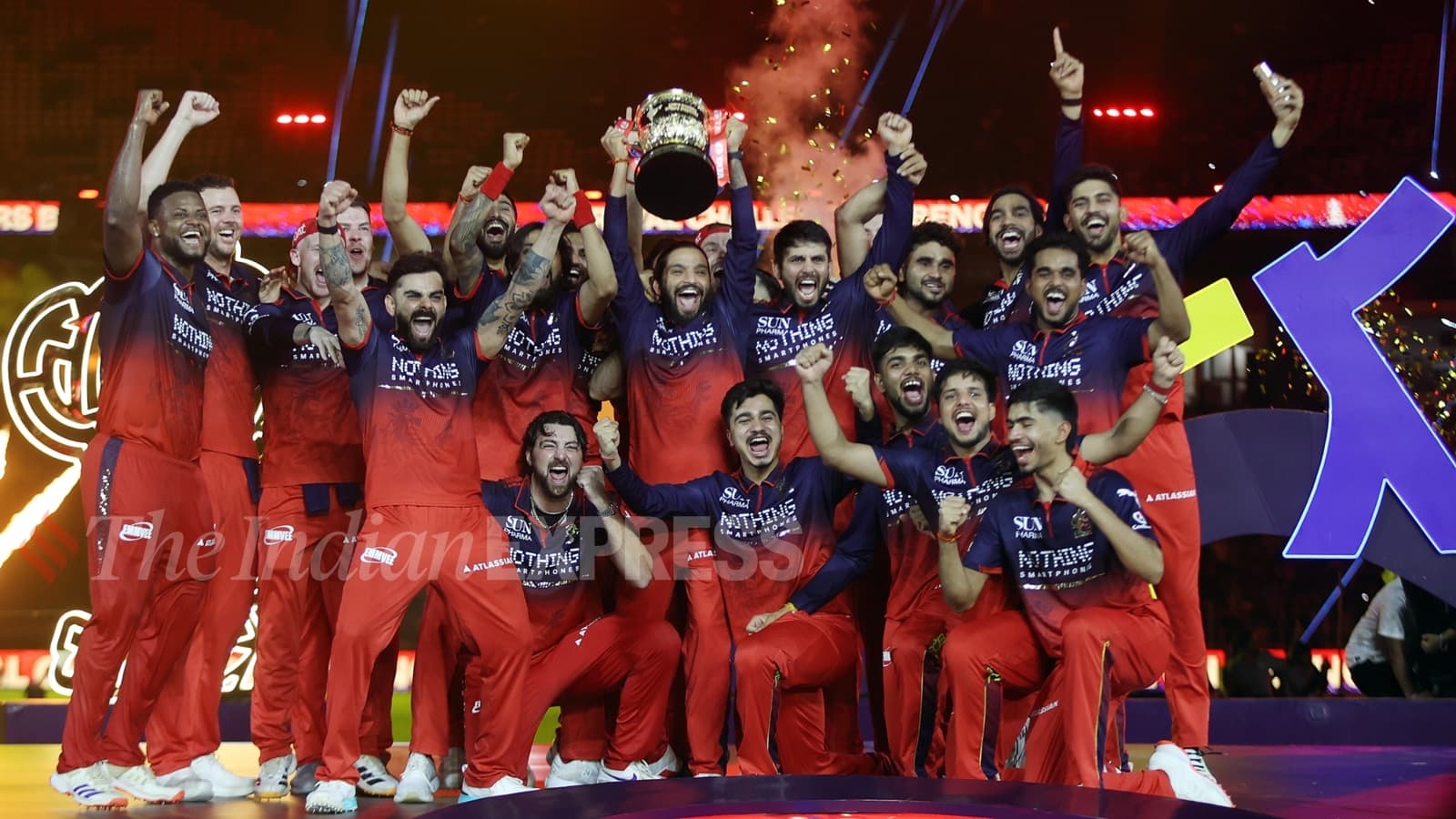
Rajat Patidar leads RCB to back-to-back IPL titles! Discover his leadership insights and goals for a historic third title in the upcoming season.
Indian Express
Gujarat Titans' Vikram Solanki reflects on their IPL 2026 final loss, acknowledging shortcomings and praising RCB's performance. What’s next for GT?
Indian Express
Virat Kohli and Anushka Sharma celebrate RCB's IPL 2026 victory with joy and emotion. Discover the highlights of this unforgettable night!
Indian Express