
Image: The Hindu
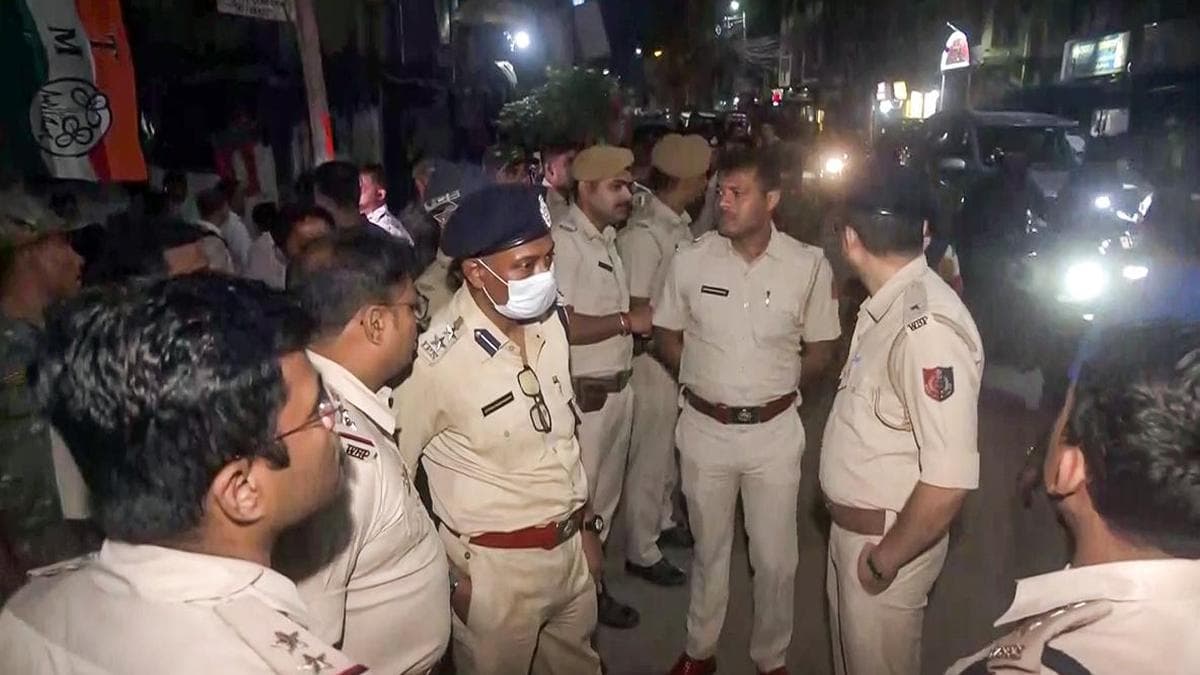
Four commandos injured in a shocking extremist attack in Assam. What does this mean for security in the region? Read on for full details.
GlipzoIn a shocking act of violence, four commandos from the Assam police were injured during an extremist attack early Sunday morning, March 22, 2026, in the Tinsukia district of eastern Assam. The incident occurred at a commando camp in Jagun, an area located near the border with Arunachal Pradesh. This attack raises significant concerns about security in the region, particularly as extremists continue to pose a threat to law enforcement.
District officials reported that the assailants, suspected members of a banned extremist group, launched an assault that involved indiscriminate gunfire and the use of grenades. The situation escalated quickly, leading to a 30-minute gunfight between the commandos and the attackers. Despite their best efforts to defend themselves, three of the four injured commandos suffered serious injuries and were promptly transported to a nearby hospital for urgent medical care.
An official stated, "We have launched an operation in coordination with other forces to find the attackers," indicating that law enforcement is actively pursuing those responsible for this violent act.
No group has formally claimed responsibility for the attack yet. However, authorities suspect that members of the Paresh Baruah-led faction of the United Liberation Front of Assam (Independent) may be behind the incident. This faction has a history of conducting operations along the Assam-Arunachal Pradesh border, a region that has seen increased unrest and violence in recent years.
Jagun is strategically located less than 50 kilometers from the nearest point of Arunachal Pradesh’s border with Myanmar, a known area where the ULFA(I) has established camps. This proximity raises alarms about the potential for further attacks and the ongoing threat posed by extremist groups in the northeastern region of India.
The attack on Assam police commandos is part of a troubling trend of violence linked to extremist organizations in the northeastern states of India. These groups often target security forces in a bid to assert their influence and further their agendas, which can destabilize local governance and create a climate of fear among civilians.
This incident underscores the ongoing challenges faced by security forces in combating extremism in northeastern India. The Assam police, along with other law enforcement agencies, must navigate a complex landscape of ethnic tensions, political unrest, and the persistent threat of violence from extremist factions.
The impact of such attacks goes beyond immediate injuries; they can have long-term repercussions for community relations, law enforcement morale, and regional stability. As the Assam police continue their operations to apprehend those responsible, the situation remains tense, and the public is left wondering about the safety of their communities.
Moving forward, several key developments will be crucial to watch:
As Assam grapples with the ramifications of this attack, it is clear that a multi-faceted approach is necessary to address the root causes of extremism and ensure the safety of both law enforcement and the communities they serve. The situation remains fluid, and continued vigilance is essential in the fight against terrorism and violence in the region.

Tensions soar as the US and Iran engage in air strikes near the Strait of Hormuz, raising concerns over global oil supply and regional stability.
BBC World
Trump's international interventions face serious stalemates. What will this mean for U.S. foreign policy? Explore the critical challenges ahead.
Indian Express
Tehran denies resignation of President Masoud Pezeshkian amid claims of IRGC influence. What does this mean for Iran's political stability? Click to learn more!
Indian Express