
Image: Mint (Business)
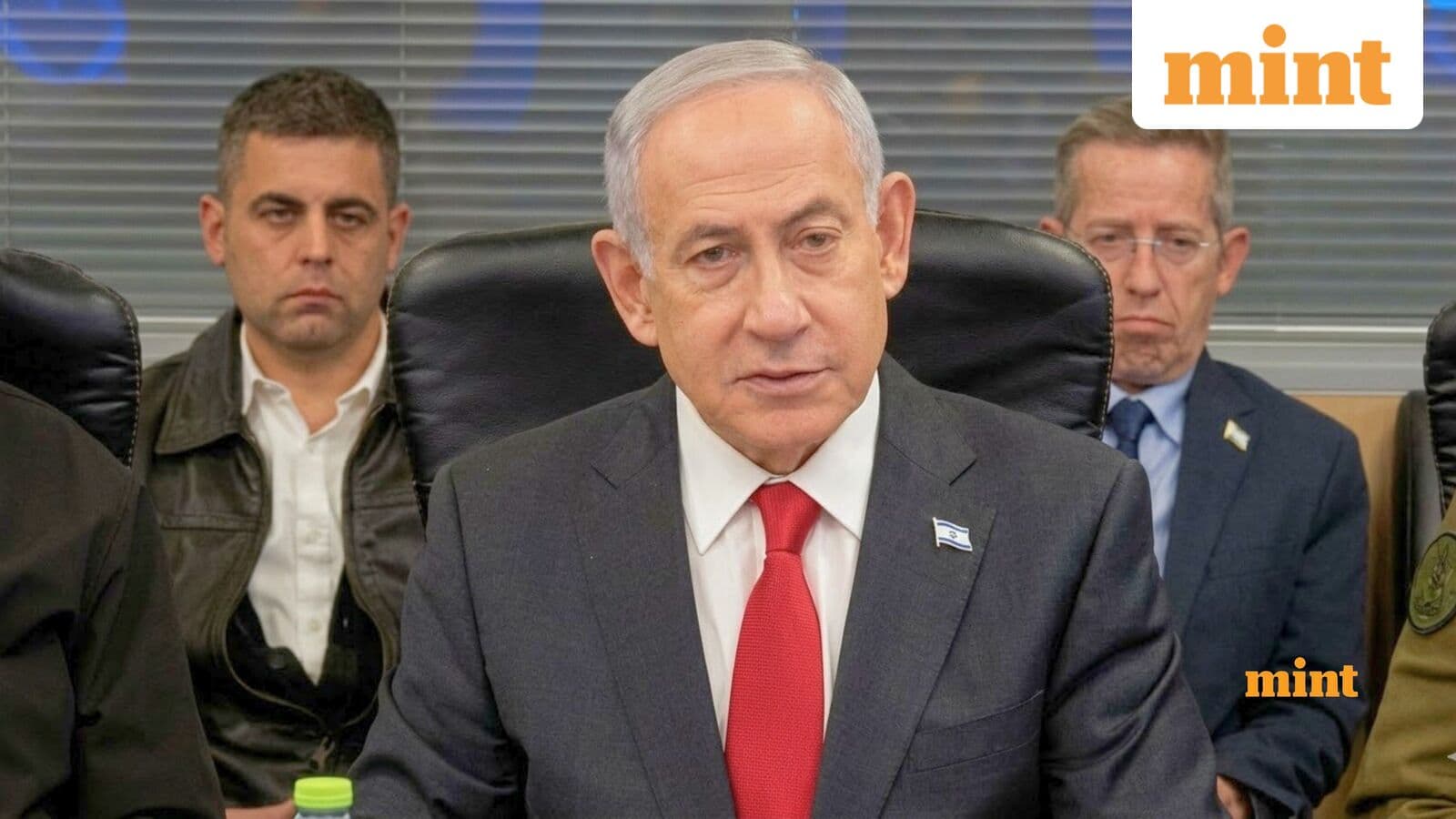
Is Benjamin Netanyahu alive or just a product of AI? Explore the viral debate sparked by his recent videos and what it means for politics today.
GlipzoIn an unexpected twist, Benjamin Netanyahu, the Israeli Prime Minister, has become the center of a heated online discussion regarding his well-being. Rumors surrounding his possible death sparked viral debates on various social media platforms, leaving users questioning the authenticity of videos he released in the last 24 hours. Amidst the swirling speculation, Netanyahu has taken to social media to assert his existence, blending dark humor with a stern message.
The situation escalated when Netanyahu shared two videos that seemed aimed at quelling the death rumors. In the first clip, he appears alongside Mike Huckabee, the former U.S. ambassador to Israel. Huckabee reassures Netanyahu by stating, "Mr. Prime Minister, I wanted you to know the President asked me to come and make sure you were okay."
Netanyahu responds with a simple yet powerful, "Yes, Mike. I'm alive." This declaration, however, quickly shifts to a more sinister tone as Netanyahu jokingly displays a 'punch card' where he claims to have crossed off names of adversaries, suggesting a combative stance against his foes. The interaction takes a darker turn when Huckabee jokingly asks about his name on the card, to which Netanyahu replies, "Your name is on the list of the good guys."
As the conversation progresses, Netanyahu takes a moment to praise President Trump and U.S. military support in the ongoing conflict, asserting that both nations stand united against threats aimed at developing nuclear weapons. "They ain't gonna do that," he boldly states. "We're wiping them out." This declaration emphasizes the ongoing tension between Israel and hostile entities, showcasing Netanyahu’s firm resolve to protect his nation.
The second video, which surfaced shortly after the first, features Netanyahu delivering a direct message to the Israeli public. Filmed just before dawn, he appears alongside Israel’s Defense Minister and military leaders. He confidently proclaims, "In the past 24 hours, we knocked out two of the terrorist chieftains, the top terrorist chieftains of this tyranny." This statement serves to reassure his constituents of the government's active measures against terrorism.
While some social media users found Netanyahu's videos a clever way to debunk the AI rumors, skepticism abounds. Critics point out peculiarities in the footage that raise doubts about its authenticity. One user highlighted what they called a blatant oddity: "The most obvious oddity….The ears." This comment, along with images showcasing Netanyahu's ears, hints at the uncanny valley phenomenon often associated with AI-generated content.
Another user shared a post from August 2025, showing Netanyahu wishing Huckabee a happy birthday while wearing the same outfit. This raised questions about the authenticity of the videos, with a sarcastic remark questioning Huckabee's wardrobe choices: "At least they changed your tie color. Does Mike only own one suit and tie?"
Adding to the skepticism, a user commented on the unnatural movement of Netanyahu in the videos, suggesting it felt more like AI manipulation than real life. "The muscle movement doesn’t look natural—an older man contracting that fast, all at once, feels more like AI than real life," they noted.
The discourse surrounding Netanyahu's recent videos underscores a larger trend in today's media landscape where AI-generated content raises questions about authenticity. As technology continues to advance, discerning real from artificial becomes increasingly challenging. The emergence of tools that can create hyper-realistic videos fosters skepticism, as seen in the reactions to Netanyahu’s posts.
Concerns about misinformation and deepfake technology are paramount, as they threaten to erode trust in public figures and institutions. As skeptics analyze Netanyahu's videos for signs of manipulation, it serves as a reminder of the crucial need for digital literacy and critical thinking in an age dominated by rapid information dissemination.
The implications of Netanyahu's situation extend beyond mere curiosity. As world leaders navigate crises, the perception of their actions and statements becomes critical. Social media not only shapes public opinion but can also influence political stability. The ongoing debate regarding the authenticity of Netanyahu's videos highlights the fragility of trust in leadership and the potential for misinformation to spread rapidly.
As this situation unfolds, observers will be keen to monitor how Netanyahu continues to address the rumors and the subsequent public reaction. Will he release more content to solidify his presence, or will the skepticism persist? The digital age demands transparency, and as the lines between reality and AI blur, this case could redefine how leaders communicate in times of crisis.
As we anticipate Netanyahu's next moves, it is essential to remain vigilant about the ongoing evolution of media and its impact on society. The fallout from this incident may prompt Israeli officials to reconsider their communication strategies amidst the growing concern over AI-generated misinformation.
In the coming days, keep an eye on how Netanyahu addresses these rumors and the broader implications for political leaders worldwide. Will they adapt to the challenges posed by an increasingly skeptical public?
This situation emphasizes the vital importance of verifying sources and scrutinizing content, especially in a world where deepfakes and AI capabilities are becoming more sophisticated. As we navigate through this digital age, staying informed and alert is more crucial than ever.

Tensions soar as the US and Iran engage in air strikes near the Strait of Hormuz, raising concerns over global oil supply and regional stability.
BBC World
Trump's international interventions face serious stalemates. What will this mean for U.S. foreign policy? Explore the critical challenges ahead.
Indian Express
Tehran denies resignation of President Masoud Pezeshkian amid claims of IRGC influence. What does this mean for Iran's political stability? Click to learn more!
Indian Express