
Image: Indian Express
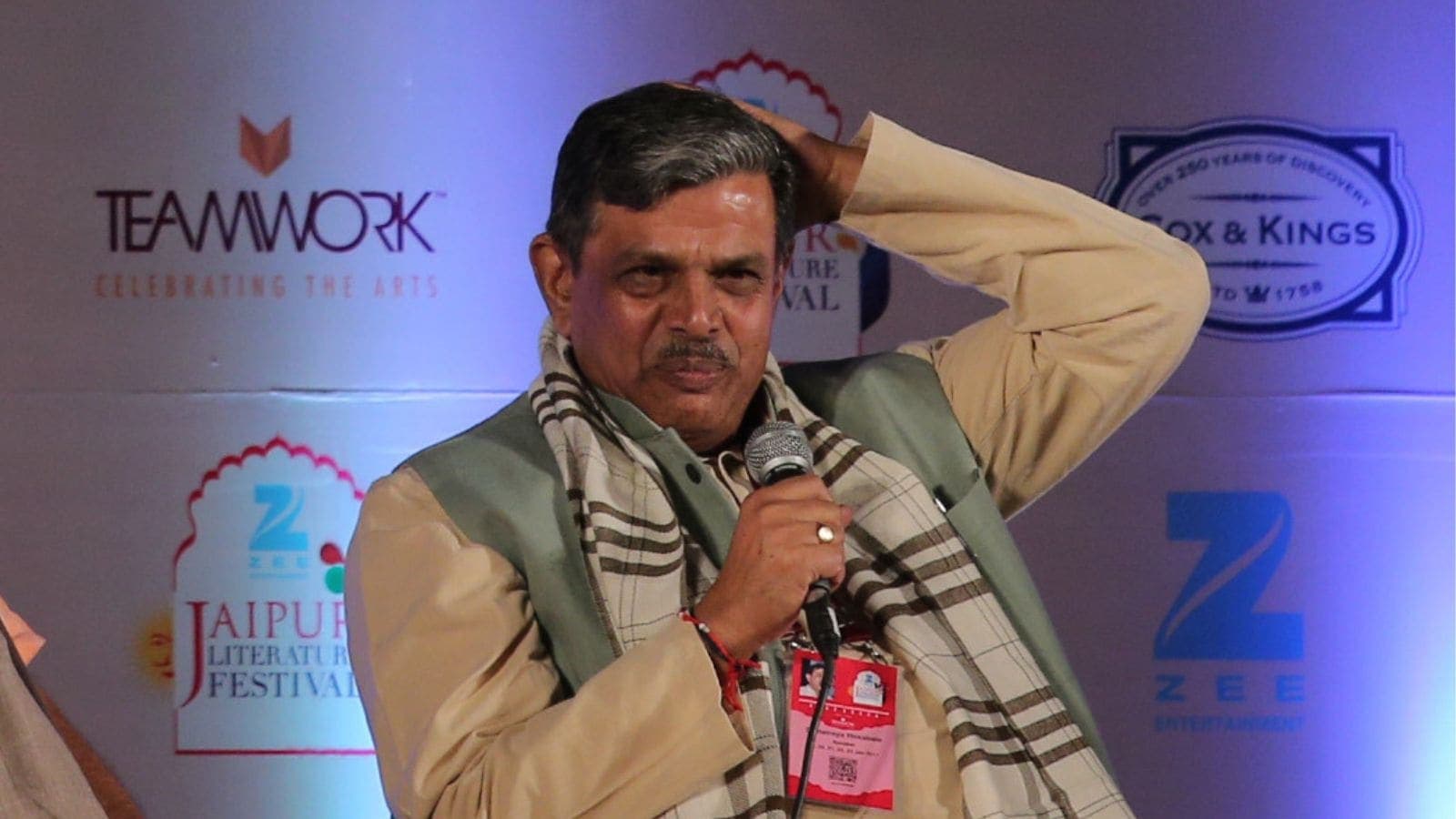
Dattatreya Hosabale's recent remarks on engaging Pakistan spark debate and criticism, revealing deeper complexities in India's approach to its neighbor.
GlipzoRecent comments made by Dattatreya Hosabale, the general secretary of the Rashtriya Swayamsevak Sangh (RSS), have ignited significant public discourse regarding India's approach to its neighbor, Pakistan. In an interview with PTI, Hosabale suggested that India should not completely dismiss the possibility of dialogue with Pakistan, a statement that stands in stark contrast to the ruling BJP's position that emphasizes a hardline stance against terrorism.
This statement comes against the backdrop of the BJP's long-standing mantra that “terror and talks cannot go together.” The timing of Hosabale’s remarks has led to heated debates, particularly from opposition leaders who view this as a potential undermining of India’s stance against terrorism, especially in light of significant incidents like the 2019 Pulwama attack.
The response from opposition parties was swift and critical. Congress MP Manish Tewari questioned the rationale behind the call for dialogue, particularly in light of recent attacks attributed to Pakistan-based terrorists. He pointedly asked, “What has materially changed since the Pahalgam attack in April 2025 that warrants such a dialogue?” This sentiment was echoed by Rajya Sabha MP Kapil Sibal, who labeled the “pinpricks” comment as “obnoxious.”
However, not all voices were against Hosabale. Leaders from Jammu and Kashmir, such as Mehbooba Mufti of the Peoples Democratic Party and Farooq Abdullah of the National Conference, offered their support for the idea of dialogue, suggesting that engagement could foster better relations.
To understand the significance of Hosabale's remarks, it's crucial to explore the RSS's historical approach toward Pakistan. The organization has often maintained a dual strategy—advocating for strong retaliation against terrorist acts while simultaneously promoting engagement between the two nations. This nuanced position reflects a recognition of the complex realities of Indo-Pak relations.
Hosabale cited past efforts by Prime Ministers Atal Bihari Vajpayee and Narendra Modi to normalize ties with Pakistan, emphasizing that diplomatic relations should not be entirely severed despite ongoing tensions. He stated, “The security and self-respect of the nation must be protected, but we need not close the doors. There should always be a window for dialogue.” This statement highlights the RSS's understanding of the need for dialogue amid adversarial relations, proposing a pathway for engagement through civil society rather than solely through political leaders.
In his comments, Hosabale emphasized the importance of fostering connections between ordinary citizens in both countries. He argued that engagement at the civil level, involving academicians, sports figures, and community leaders, could pave the way for improved relations.
He noted, “If civic society relations improve, I believe it can lead to better diplomatic relations.” This perspective aligns with the RSS's overarching narrative that cultural ties and shared history should underpin interactions with Pakistan, even when security concerns remain paramount.
The push for dialogue from a leading RSS figure raises important questions about the future of Indo-Pak relations. As the political landscape evolves, the necessity for dialogue could become increasingly relevant, especially if public sentiment in Pakistan shifts towards more favorable views of India. The RSS believes that building a positive public opinion among Pakistanis could counterbalance the influence of the military and extremist elements within the country.
As tensions continue to simmer, the implications of Hosabale's comments extend beyond immediate political fallout. They suggest a potential shift in strategy that could redefine how India approaches its complex relationship with Pakistan. The ongoing discourse will likely influence both diplomatic initiatives and public opinion in both nations.
Moving forward, it will be crucial to monitor how the BJP and RSS respond to the backlash from opposition parties regarding Hosabale’s statements. Will they embrace a more conciliatory approach, or will they adhere to their established hardline stance against terrorism?
Additionally, the role of civil society in both India and Pakistan could become a pivotal factor in shaping the future of their relations. As dialogues between ordinary citizens increase, there may be opportunities for grassroots movements to influence political agendas in both countries.
In conclusion, while the RSS’s calls for dialogue may seem controversial, they open up a crucial conversation about the potential for peace and understanding in a historically fraught relationship. The coming months will be critical in determining how these discussions evolve and what impact they may have on the geopolitical landscape of South Asia.

Tensions soar as the US and Iran engage in air strikes near the Strait of Hormuz, raising concerns over global oil supply and regional stability.
BBC World
Trump's international interventions face serious stalemates. What will this mean for U.S. foreign policy? Explore the critical challenges ahead.
Indian Express
Tehran denies resignation of President Masoud Pezeshkian amid claims of IRGC influence. What does this mean for Iran's political stability? Click to learn more!
Indian Express