
Image: BBC World
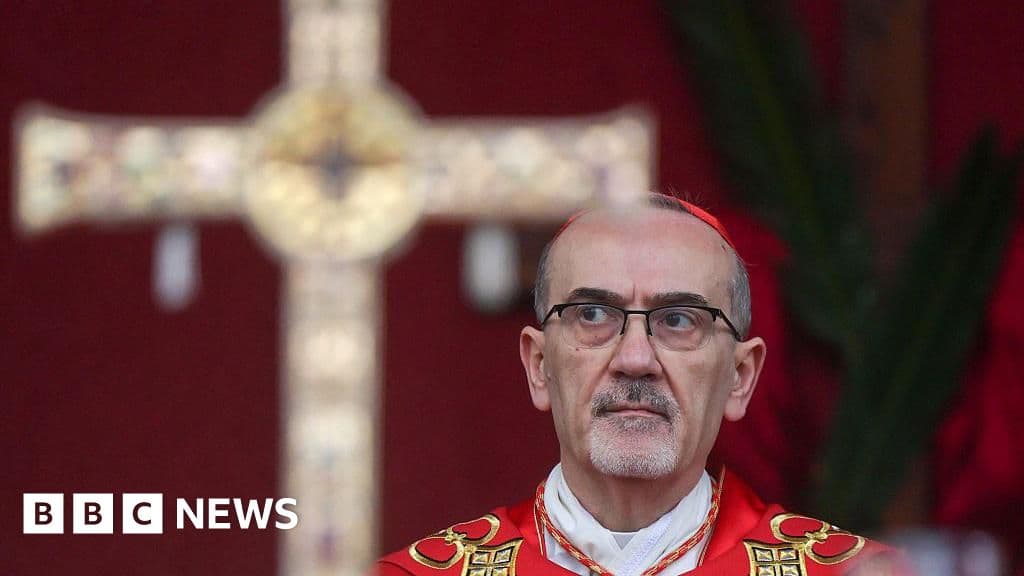
Israeli police blocked Cardinal Pizzaballa from Palm Sunday mass, stirring international outrage. What does this mean for religious freedom in Jerusalem?
GlipzoIn a shocking turn of events, Israeli police obstructed Cardinal Pierbattista Pizzaballa, the Latin Patriarch of Jerusalem, from accessing the Church of the Holy Sepulchre to celebrate Palm Sunday. This incident occurred as church leaders planned to commence Holy Week services at one of Christianity's most sacred locations, believed to be the site of Jesus Christ's crucifixion and resurrection.
Cardinal Pizzaballa, along with Reverend Francesco Ielpo, was denied entry outside the church, leading to an outcry from church authorities. The Israeli Prime Minister Benjamin Netanyahu justified the police action by citing heightened security concerns stemming from recent Iranian missile attacks. Following the backlash, Netanyahu instructed officials to provide the cardinal with “full and immediate” access to the church.
The decision to block the Latin Patriarch has sparked widespread condemnation from world leaders and religious representatives alike. U.S. Ambassador to Israel Mike Huckabee described the police action as an “unfortunate overreach”, emphasizing that it is difficult to comprehend or justify this denial of access during such a significant religious occasion.
In a statement released by the patriarchate, it was noted that this was “the first time in centuries” that a Latin Patriarch was turned away from the holy site on Palm Sunday. The church's statement further indicated that the denial of entry was a “grave precedent” that disregards the feelings of billions globally who turn their eyes toward Jerusalem during Holy Week.
The patriarchate expressed deep concerns over the decision, labeling it a “hasty and fundamentally flawed” measure that undermines the principles of worship freedom and the status quo. They stated that they had complied with all imposed restrictions and acted responsibly since the onset of the conflict, arguing that the police's actions were “manifestly unreasonable” and “grossly disproportionate.”
Cardinal Pizzaballa later articulated his reluctance to escalate the matter, expressing a desire for a “brief and small private ceremony” instead of a public procession. He highlighted the need to respect both safety and the right to prayer, urging for a dialogue to clarify the situation in the coming days.
Netanyahu reiterated that worshippers of all faiths were advised to refrain from visiting Jerusalem's Old City due to security concerns. The Israeli leader noted that holy sites have become “repeatedly targeted” by Iranian missile strikes, with fragments from a missile landing dangerously close to the Church of the Holy Sepulchre.
Despite the restrictions, Netanyahu stated that plans were underway to allow church leaders to conduct services at the holy site in the near future. However, the traditional Palm Sunday procession had already been canceled due to gathering restrictions, which further fueled the ongoing tensions.
The response from international leaders has been swift and critical. Italian Prime Minister Giorgia Meloni condemned the police action as an “offence not only against believers but against every community that recognizes religious freedom.” Meanwhile, French President Emmanuel Macron joined in the criticism, echoing similar sentiments regarding the implications for religious rights.
In light of these developments, Huckabee acknowledged that the two clergymen had sought to enter the church privately, without a procession, which aligned with current rules limiting religious gatherings to fewer than 50 people. He welcomed Israeli government efforts to resolve the situation and facilitate worship during Holy Week.
As the situation develops, the church and world leaders are poised to watch how Israeli authorities will navigate the complex interplay between security and religious freedom. With Netanyahu's commitment to grant access to the patriarch, the focus will shift to ensuring that worship can proceed without further incident.
The global community continues to closely monitor the implications of this incident. Faith leaders are advocating for dialogue and understanding, emphasizing the need for a balanced approach to security that respects religious traditions. The events of Palm Sunday serve as a critical reminder of the delicate nature of faith in a region marked by tension and historical significance.
In the coming days, it will be crucial to observe how both local and international bodies respond to the backlash against this incident, and what measures will be taken to prevent similar occurrences in the future. The interplay of religious observance and geopolitical tensions will remain an essential topic of discussion as Holy Week unfolds in Jerusalem, a city that holds profound spiritual meaning for billions around the world.
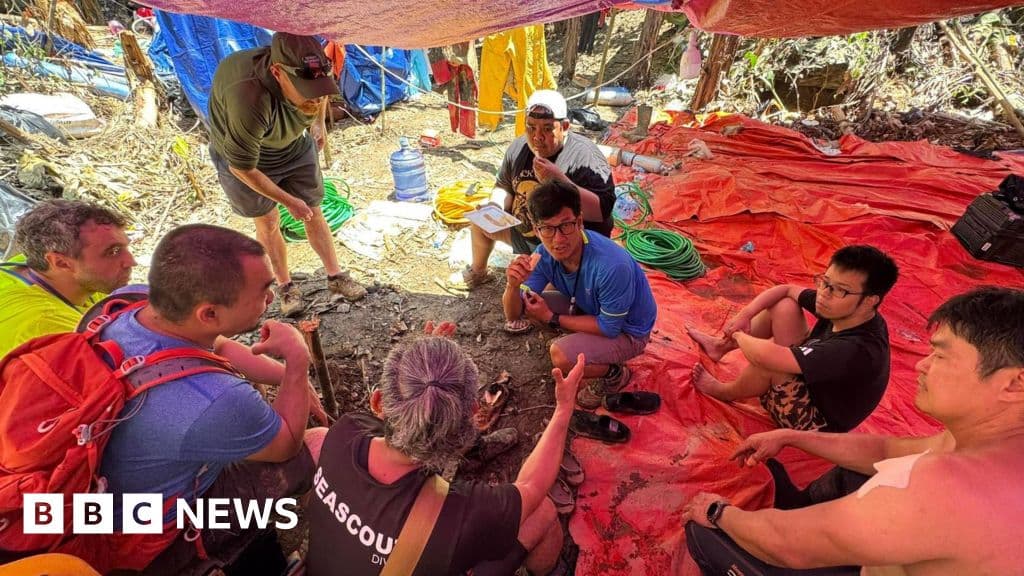
Survivors of the Laos cave rescue are aiding efforts to find the last two missing men trapped inside, sharing crucial insights for the search operation.
BBC World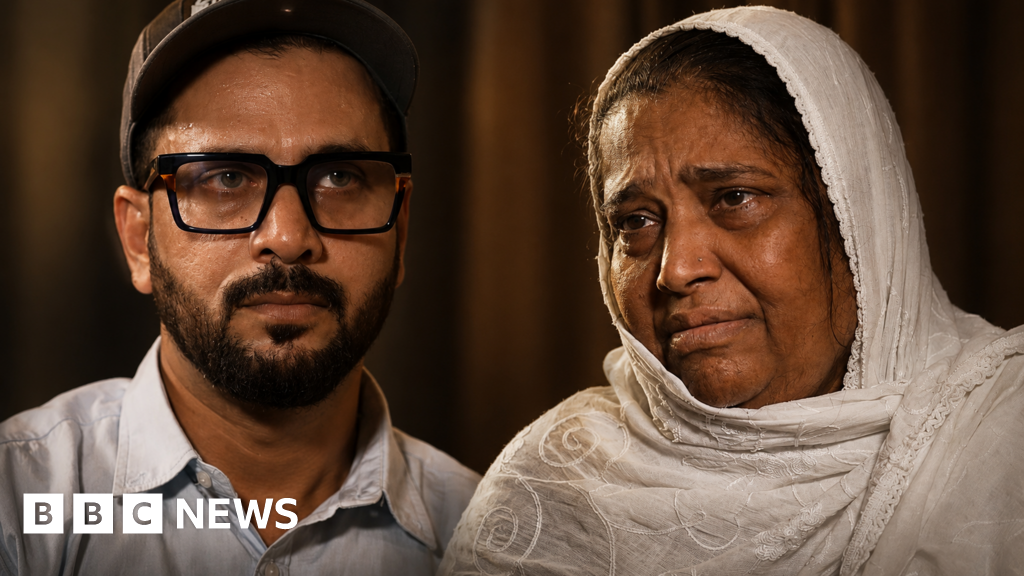
A year after the tragic Air India crash, the Ali family reflects on grief, unanswered questions, and the enduring bonds of love in the face of loss.
BBC Business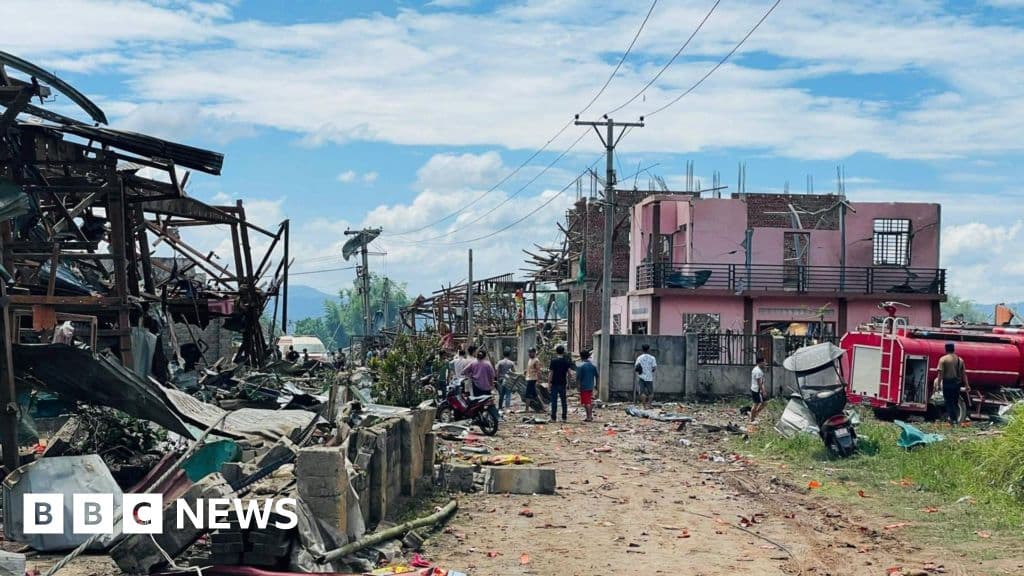
A devastating explosion in Myanmar's Kaung Tat village has killed at least 55 people, raising serious safety concerns and questions about civilian protection in conflict zones.
BBC World