
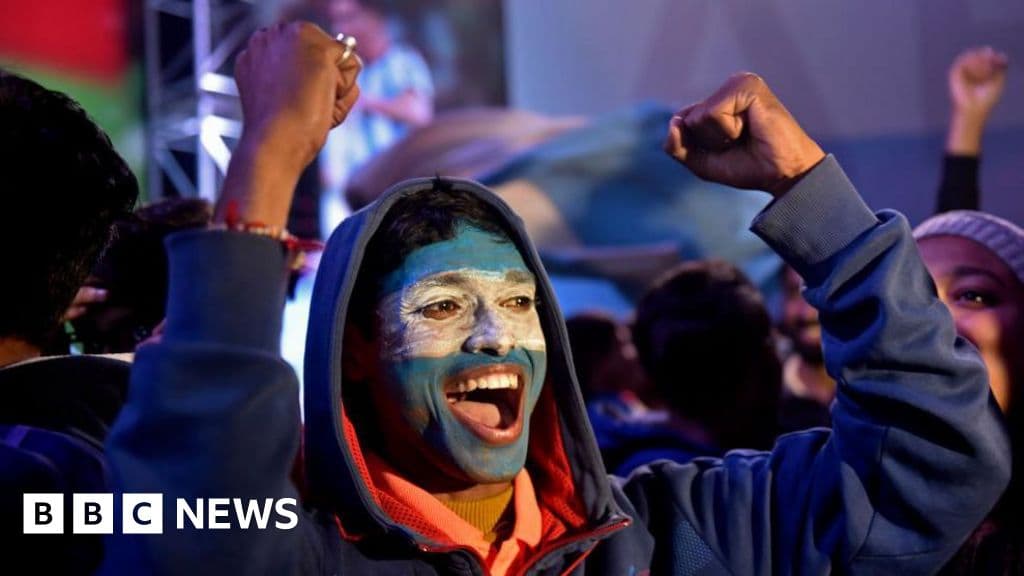
Image: BBC Business
Fans in China and India face uncertainty over World Cup broadcasts as FIFA negotiations stall. Will they secure deals in time? Click to find out!
GlipzoAs the anticipation builds for the 2026 FIFA World Cup, millions of football enthusiasts in China and India are facing a significant challenge: uncertainty over whether they will be able to watch the tournament. With the event fast approaching, broadcasters in both nations have yet to finalize agreements with FIFA, the governing body of football. This unusual delay has raised eyebrows, as typical broadcasting rights are usually secured well in advance of such a major global sporting event.
The stakes couldn't be higher, as China and India together represent nearly a third of the world's population. Their absence from the broadcasting lineup could leave a vast audience without access to one of the biggest spectacles in sports.
Local media reports indicate that negotiations between FIFA and broadcasters in both countries have become mired in discussions over pricing. In stark contrast to the usual practice of sealing such deals months or even years ahead of the event, these negotiations are still drawing out just weeks before kickoff.
FIFA has confirmed to the BBC that talks with both China and India are still ongoing and emphasized that the details must remain confidential for now. However, the lack of a finalized agreement has left fans questioning whether they will even have the chance to cheer for their teams.
The financial components of these negotiations are particularly striking. Initially, FIFA reportedly offered China Central Television (CCTV) rights to broadcast the tournament for as much as $300 million (£220 million). Subsequently, this figure was adjusted to a range between $120 million and $150 million, as reported by the state-controlled Beijing Daily. Despite this reduction, the price remains significantly above CCTV's budget for the event, complicating the likelihood of a swift agreement.
CCTV's hesitance is compounded by the fact that China did not qualify for the tournament, leading to a predicted lower interest among local football fans. Furthermore, the significant time difference between China and North America means that many of the marquee matches will be broadcast during the early morning hours in China, which could further deter viewership.
Historically, FIFA has secured broadcasting agreements with Chinese networks well ahead of the World Cup. For example, in November 2017, FIFA announced that it had reached an exclusive deal with CCTV to broadcast both the 2018 and 2022 World Cups. The current situation marks a stark contrast, highlighting a growing rift between FIFA's financial expectations and the realities faced by broadcasters in these populous nations.
In India, while there hasn't yet been a deal concluded, local media have reported that an announcement is likely on the horizon. The eagerness for an agreement is palpable, as many Indian fans are hoping to witness the excitement of the World Cup unfold.
The implications of this broadcast uncertainty extend far beyond mere television contracts. Football is not just a sport; it’s a cultural phenomenon that connects billions of fans around the globe. The ability to watch the World Cup can significantly influence local engagement in the sport, affect merchandise sales, and impact the overall growth of football in these regions.
For FIFA, securing broadcast deals in populous nations like China and India is crucial for maximizing their viewership and revenue potential. The absence of local broadcasts could lead to a diminished global presence and impact future negotiations with broadcasters.
As the countdown to the 2026 World Cup continues, all eyes are on the negotiations between FIFA and the broadcasters in India and China. Fans are eagerly awaiting news that will confirm whether they will be able to follow their favorite teams on the world's biggest stage. The outcome of these discussions will be pivotal, not only for the broadcasting landscape but also for the future of football in these regions.
In the coming weeks, it will be essential to monitor announcements from both FIFA and the respective broadcasting networks. Should agreements be reached, they will likely come with exciting promotional campaigns to engage the massive audiences in both countries. Conversely, failure to secure these deals could lead to a significant backlash from fans and a potential decline in football's popularity in these key markets.
The future of football broadcasting in China and India hangs in the balance, and the world will be watching closely to see how this situation unfolds.
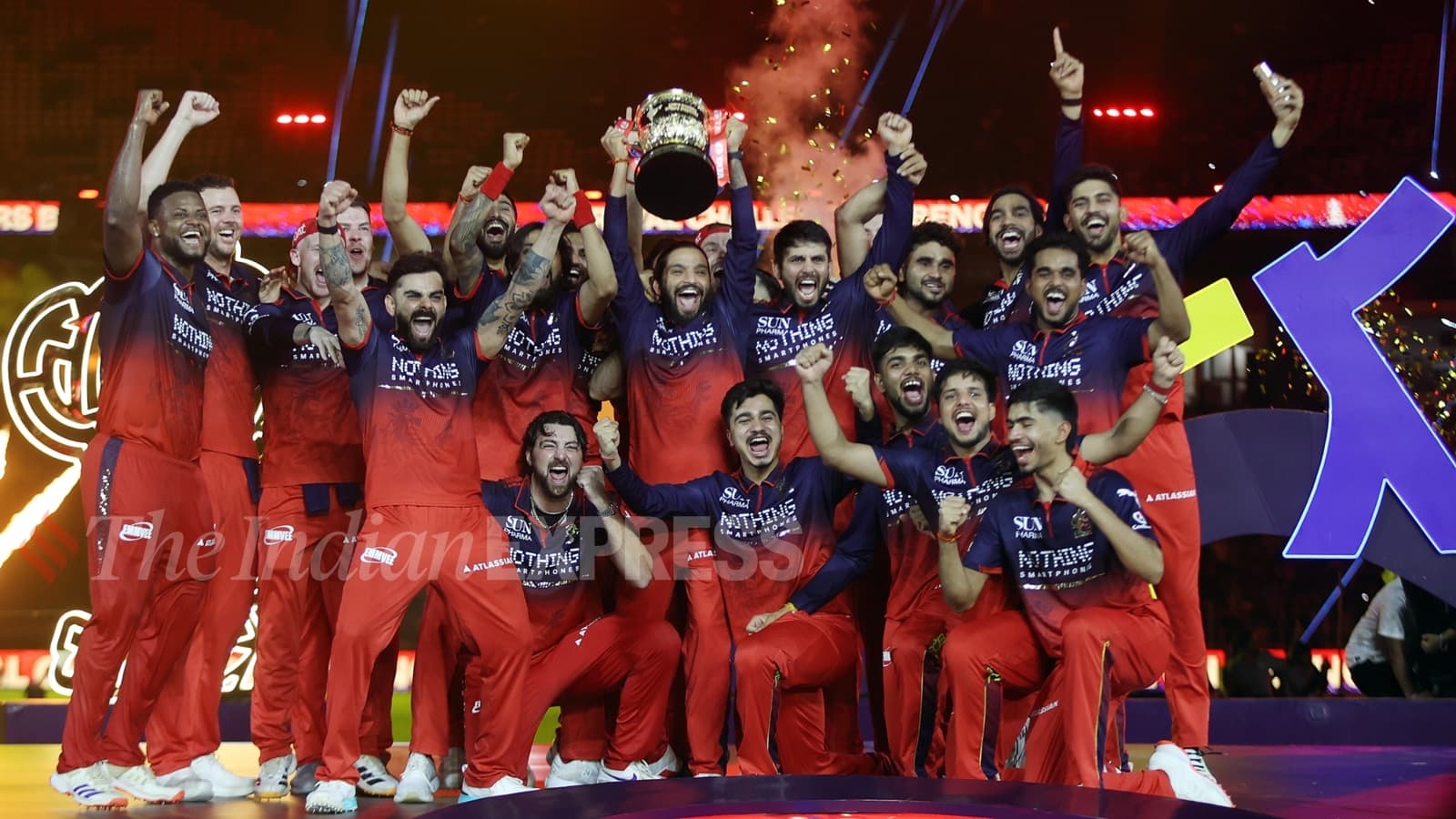
Rajat Patidar leads RCB to back-to-back IPL titles! Discover his leadership insights and goals for a historic third title in the upcoming season.
Indian Express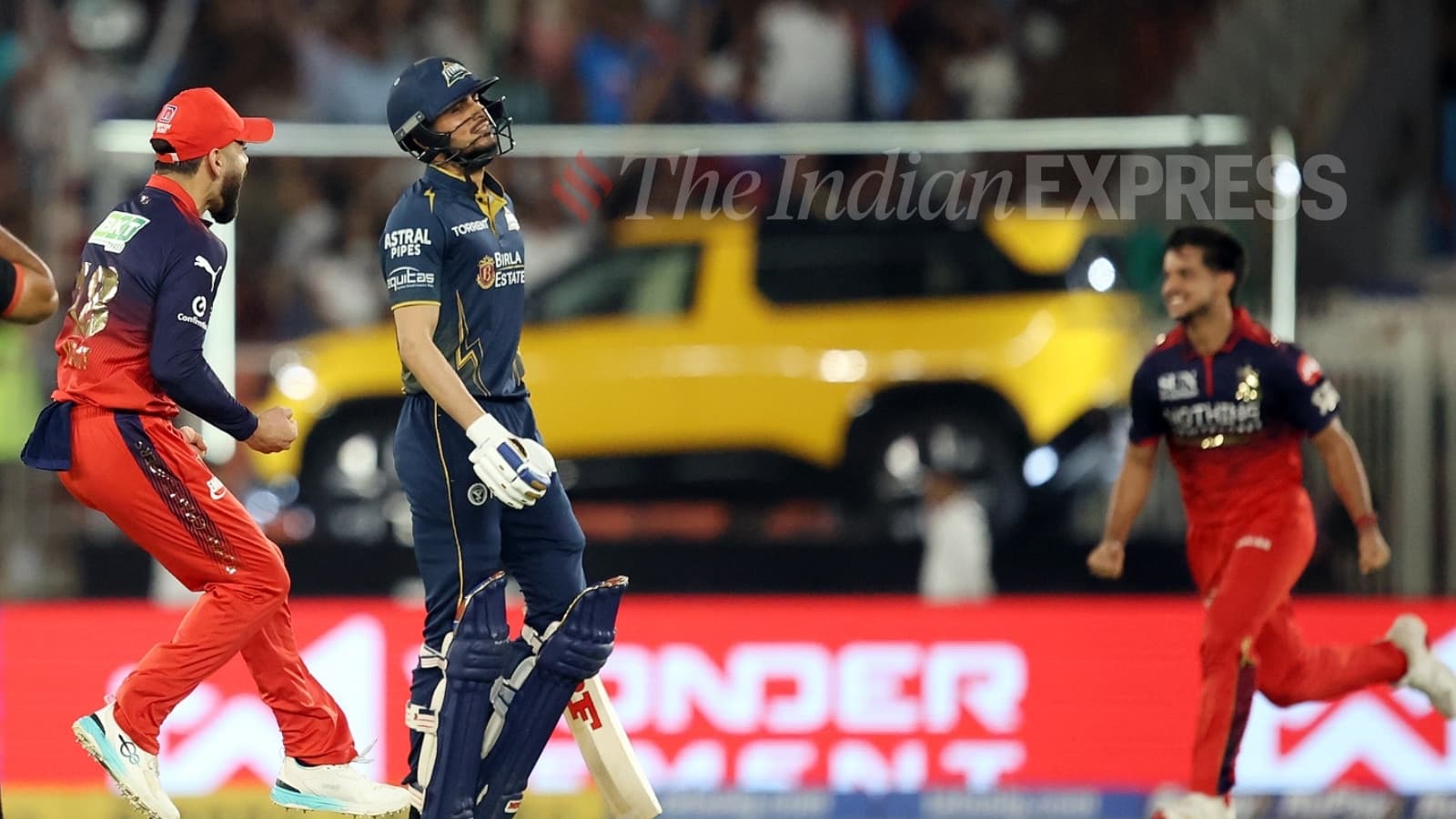
Gujarat Titans' Vikram Solanki reflects on their IPL 2026 final loss, acknowledging shortcomings and praising RCB's performance. What’s next for GT?
Indian Express
Virat Kohli and Anushka Sharma celebrate RCB's IPL 2026 victory with joy and emotion. Discover the highlights of this unforgettable night!
Indian Express