
Image: BBC World
Tensions rise as the US and Iran engage in a blockade standoff while Pakistan seeks to mediate peace talks. What’s next for diplomacy in the region?
GlipzoThe ongoing standoff between the United States and Iran has entered a new phase, with both nations engaged in a tense blockade situation in the Strait of Hormuz. This pivotal maritime corridor, crucial for global oil transportation, has become a battleground for both sides, who are intercepting commercial vessels in what can only be described as a war of blockades. Last night, former President Donald Trump took to Truth Social to confirm that a ceasefire, initially set to end on Wednesday, is still in effect, albeit tenuously.
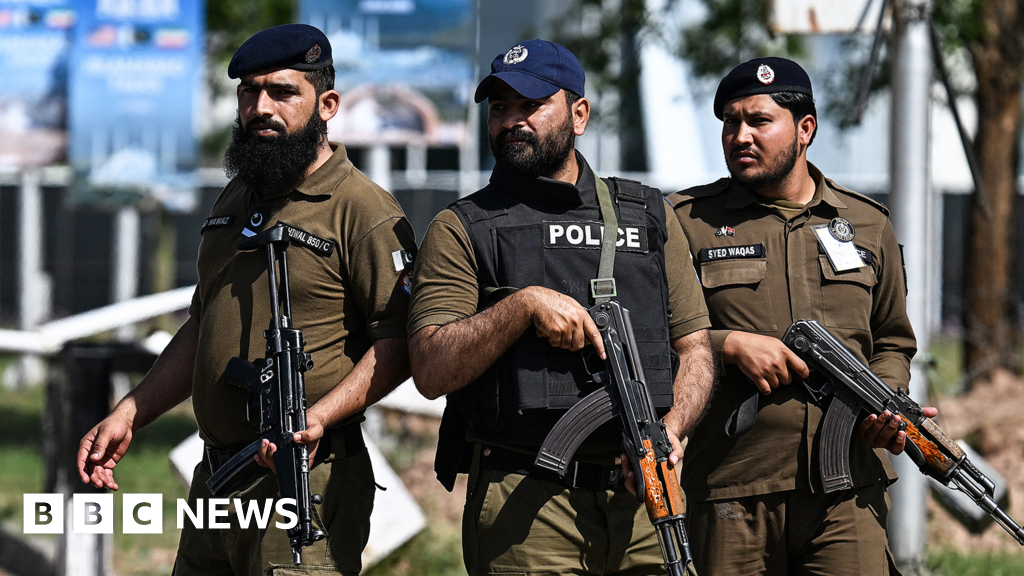
Amidst this chaos, Pakistan has emerged as a potential mediator, eagerly awaiting the arrival of representatives from Iran and the US for peace negotiations. However, the atmosphere in Islamabad has shifted from anticipation to uncertainty, as the expected delegations have yet to arrive. With parts of the city sealed off and the venue for talks prepared but empty, the chances of a diplomatic breakthrough seem increasingly elusive.
The situation in Pakistan holds significant implications for international relations, particularly as Prime Minister Shehbaz Sharif has put considerable diplomatic effort into facilitating discussions between the two adversaries. In a recent social media post, Sharif reaffirmed his commitment to pursuing a negotiated settlement, emphasizing Pakistan's role as a mediator in this critical conflict.
Despite the bleak outlook, Trump hinted to reporters that a deal could still be achievable in the coming days. Yet, skepticism remains about the feasibility of a resolution given the complexities surrounding the negotiations.
The implications of this blockade standoff extend beyond the immediate conflict between the US and Iran. The Strait of Hormuz, through which a significant portion of the world’s oil supply passes, is a critical chokepoint that can influence global energy markets and geopolitical stability. Any escalation in tensions could potentially disrupt oil shipments, leading to economic repercussions worldwide.
Furthermore, the failure of Pakistan to broker peace could diminish its standing on the international stage, making it more difficult for the country to engage in future diplomatic initiatives. The stakes are high not only for Islamabad but also for regional players who are watching closely to see how this situation unfolds.
As the situation continues to evolve, observers are left contemplating what the next steps will entail. The international community is keenly aware that any miscalculation could lead to a wider conflict, further dragging in other regional players like Israel and affecting global markets.
While the prospect of peace seems dim at the moment, several elements could shape future outcomes: - Continued Diplomatic Pressure: As both nations grapple with internal and external pressures, sustained diplomatic efforts may yield results, albeit slowly. - Changing Dynamics: The internal politics of Iran remain fluid, with questions surrounding the leadership and decision-making processes. This could open avenues for negotiation if new leaders emerge who are more amenable to dialogue. - International Influence: Other nations, particularly those in the Gulf region, may step in to assist in mediation efforts, recognizing the importance of stability in the Strait of Hormuz.
The blockade standoff between the US and Iran, coupled with Pakistan’s efforts to mediate peace, illustrates the intricate web of international relations in the region. As both sides continue to navigate this tumultuous landscape, the potential for escalation remains. The coming days will be crucial in determining whether a diplomatic resolution is possible or if tensions will further escalate.
In summary, while optimism for a quick resolution is waning, the focus remains on the ongoing dialogue and the potential for future negotiations. The international community will be watching closely, hoping for a peaceful outcome that can stabilize not only the region but also global energy markets.

Tensions soar as the US and Iran engage in air strikes near the Strait of Hormuz, raising concerns over global oil supply and regional stability.
BBC World
Trump's international interventions face serious stalemates. What will this mean for U.S. foreign policy? Explore the critical challenges ahead.
Indian Express
Tehran denies resignation of President Masoud Pezeshkian amid claims of IRGC influence. What does this mean for Iran's political stability? Click to learn more!
Indian Express