
Image: BBC World
A daring heist in Parma, Italy, sees Renoir, Cézanne, and Matisse masterpieces stolen, worth nearly €9 million. What are the implications for art security?
GlipzoIn a shocking turn of events, three priceless paintings by renowned artists Pierre-Auguste Renoir, Paul Cézanne, and Henri Matisse were stolen from the Magnani Rocca Foundation near Parma, Italy. The audacious theft occurred on March 22, when four masked individuals executed a meticulously planned robbery at the villa, leaving with artworks valued at nearly €9 million.
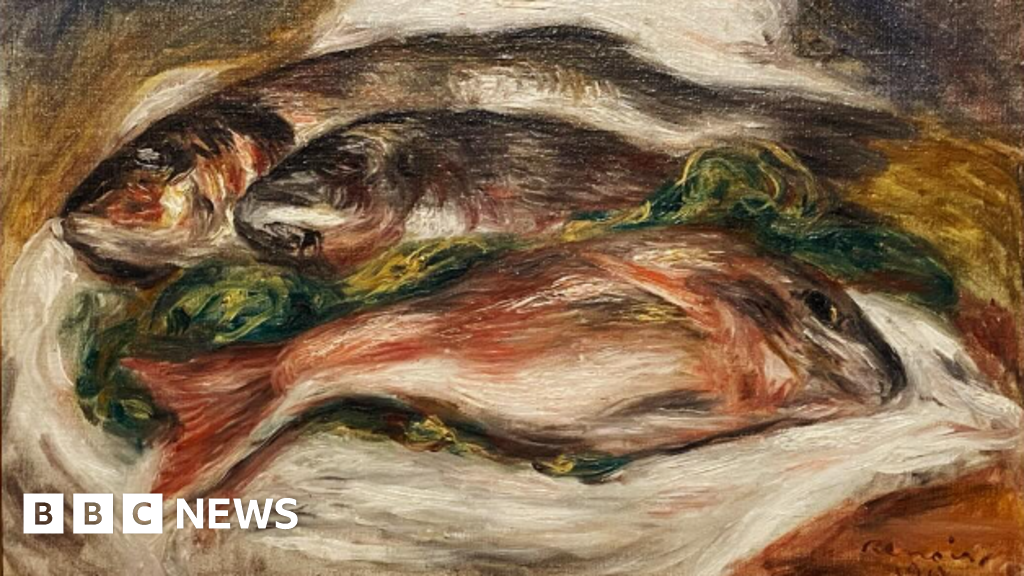
Among the stolen pieces were Les Poissons by Renoir, valued at €6 million, Still Life with Cherries by Cézanne, and Odalisque on the Terrace by Matisse. The swift operation took place in a mere three minutes, showcasing the efficiency and determination of the thieves.
This incident marks yet another significant art theft in Italy, reminding the world of the vulnerability of cultural treasures. Just months prior, the Louvre in Paris experienced a high-profile jewel heist. The global art community is left wondering: how safe are our artistic legacies?
The criminals gained entry by force through the main door of the Villa dei Capolavori, which houses the Magnani Rocca Foundation's impressive collection. After seizing the masterpieces from the French Room, they triggered the museum's alarm system, which ultimately cut short their operation.
According to reports from regional media outlet TGR, the thieves managed to escape by scaling a nearby fence. Their organized approach suggests that this was not a random act but a carefully orchestrated crime, potentially indicating prior surveillance of the location.
The foundation commented on the incident, stating that the gang appeared “structured and organized,” implying that their intentions may have extended beyond just these three artworks.
Each of the stolen paintings holds significant cultural and monetary value, reflecting the artistry and historical importance of their creators:
The loss of these artworks not only represents a financial blow but also a cultural one, as they contribute to the rich tapestry of art history.
In the wake of this brazen theft, the Carabinieri and the Cultural Heritage Protection Unit of Bologna have launched a thorough investigation. The foundation, created in 1984 by composer and art collector Luigi Magnani, now faces the daunting task of recovering its treasures and ensuring the safety of its remaining collection.
The news of the heist was made public only recently, igniting discussions about the security measures in place at art institutions. With art thefts on the rise globally, this incident raises essential questions about the protection of cultural heritage.
Art thefts like this one not only rob institutions and collectors of invaluable pieces but also deprive the public of the chance to experience and appreciate these works. The aftermath of this incident may influence how museums and galleries approach security, possibly leading to increased investments in safety protocols.
Moreover, the ripple effects of such thefts can impact the art market, as stolen pieces often resurface in illicit sales, complicating provenance and ownership. For collectors and investors, the implications extend to the value of artworks and the integrity of the art world as a whole.
As investigations continue, the art community is keenly watching for updates on the recovery of the stolen pieces. Experts predict that the thieves will face significant challenges in selling such recognizable works, given their high profile and the extensive media coverage surrounding the heist.
In the coming weeks, art enthusiasts and historians alike will be eager to see if these masterpieces can be returned to their rightful place at the Magnani Rocca Foundation. As more details emerge, the hope remains that this incident will lead to a greater awareness of the importance of safeguarding cultural heritage.
In conclusion, the art heist at the Magnani Rocca Foundation serves as a stark reminder of the ongoing challenges in protecting our shared history. The outcome of this investigation could reshape the landscape of art security and inform future measures to preserve our artistic legacies for generations to come.