
Image: BBC World
A powerful 7.4 magnitude earthquake hits Indonesia's Ternate island, claiming one life and causing panic among residents. Discover the details.
GlipzoA 7.4-magnitude earthquake rocked the Molucca Sea near Indonesia's Ternate island early on Thursday, resulting in the tragic death of at least one individual. The quake occurred at 06:48 local time (22:48 GMT) at a depth of 35 kilometers, prompting initial tsunami warnings that were eventually lifted.
A 70-year-old woman in North Sulawesi lost her life due to a building collapse, while another individual suffered a leg injury after jumping from a structure during the tremors, as reported by Indonesia's national news agency, Antara. Witnesses expressed that this earthquake was among the strongest they had experienced in the last six years, highlighting the persistent seismic activity in the region.
The Hawaii-based Pacific Tsunami Warning Center issued alerts indicating that tsunami waves of less than 0.3 meters (1 foot) were a possibility along the coasts of Guam, Japan, Malaysia, Papua New Guinea, the Philippines, and Taiwan. Fortunately, the tsunami warning was rescinded after just two hours of concern.
Journalist Isvara Safitri, residing in central Manado, recounted the intensity of the quake. “It was really strong... My head even felt dizzy,” she shared with BBC Indonesian. Safitri noted the unsettling experience as furniture shook violently, and even the ground outside trembled underfoot.
Another resident, Yayuk Oktiani, who was at a market in Bitung during the quake, described the scene: “Everything started shaking,” she said. Oktiani reported that many businesses experienced power outages, and as panic set in, people rushed to evacuate, particularly those with children at nearby schools.
In Ternate, local resident Budi Nurgianto witnessed the quake's destructive force firsthand. “The walls in my house vibrated for what felt like more than a minute,” he remarked, recalling the chaos as neighbors rushed outside in fear. “I even saw some people leaving their house without having finished their shower,” he added.
Manado and Bitung, located on the island of Sulawesi, were significantly impacted, with Ternate being a volcanic island in the North Maluku province. The earthquake's epicenter was approximately equidistant from both Manado and Ternate, making the tremors felt widely across the region.
Following the major quake, at least two aftershocks were recorded, measuring 5.5 and 5.2 in magnitude, with authorities warning residents to remain alert for potential further tremors.
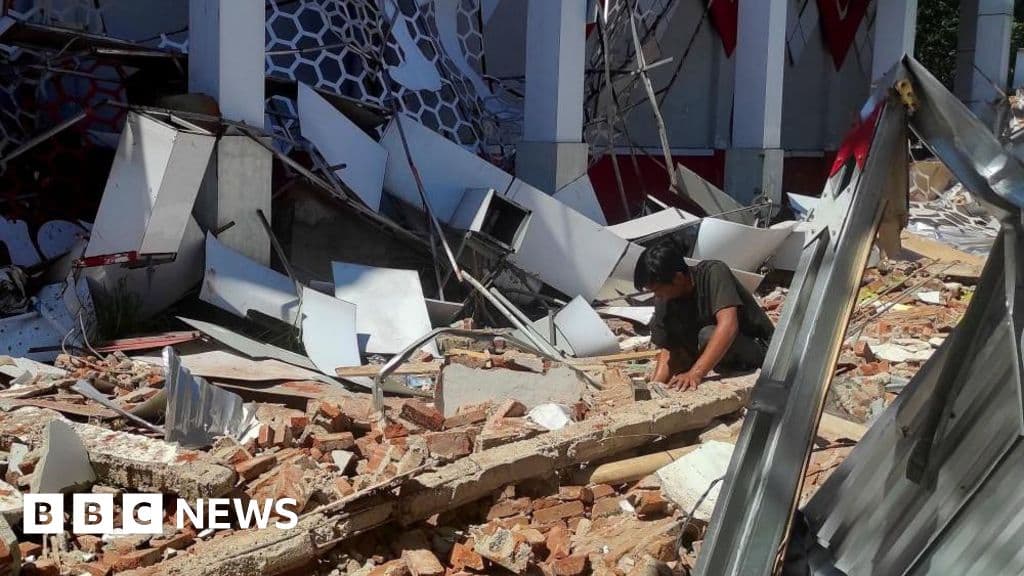
Shortly after the initial shake, Indonesia's national geological agency reported various instances of building damage and injuries, although specifics were initially limited. Video footage from search and rescue teams in Manado depicted a scene of devastation, with officials and citizens navigating through rubble and debris, some exclaiming “oh my God” as they assessed the situation.
At Siloam Hospital in Manado, patients and staff faced their own scramble for safety. A 69-year-old patient named Admini recounted the panic that ensued, “We were sitting there drinking tea... [Initially we] didn’t realize it was an earthquake. And then we heard a child scream, 'Come down, hurry up.'” The quick thinking of nurses and doctors led them to establish makeshift treatment areas outdoors to care for the injured.
Indonesia is situated on the Pacific Ring of Fire, an area notorious for its high seismic and volcanic activity. This latest earthquake serves as a stark reminder of the dangers posed by living in such a geologically active region. The loss of life, injuries, and property damage underscore the urgency of preparedness in communities frequently faced with natural disasters.
As the nation grapples with the aftermath of this earthquake, officials will likely assess the structural integrity of buildings and emergency response protocols. The psychological impact on residents, especially those who experienced the quake firsthand, will also be a crucial area of focus moving forward.
In the coming days, residents will be looking for updates on aftershocks and any additional geological activity. Emergency services will be deployed to assess and repair damages while providing support to those affected. The government may also implement reviews of building codes and standards to enhance safety in earthquake-prone areas.
As Indonesia continues to face the reality of living in a seismic zone, many will be left wondering: are we truly prepared for the next big quake? The need for community education on earthquake safety and preparedness is more critical than ever as the nation rallies to recover and rebuild.
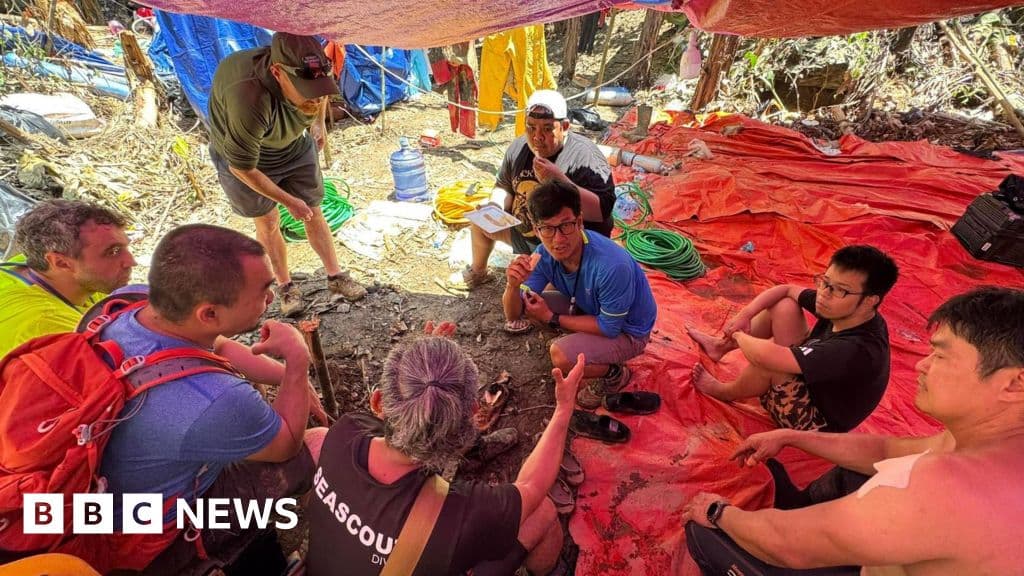
Survivors of the Laos cave rescue are aiding efforts to find the last two missing men trapped inside, sharing crucial insights for the search operation.
BBC World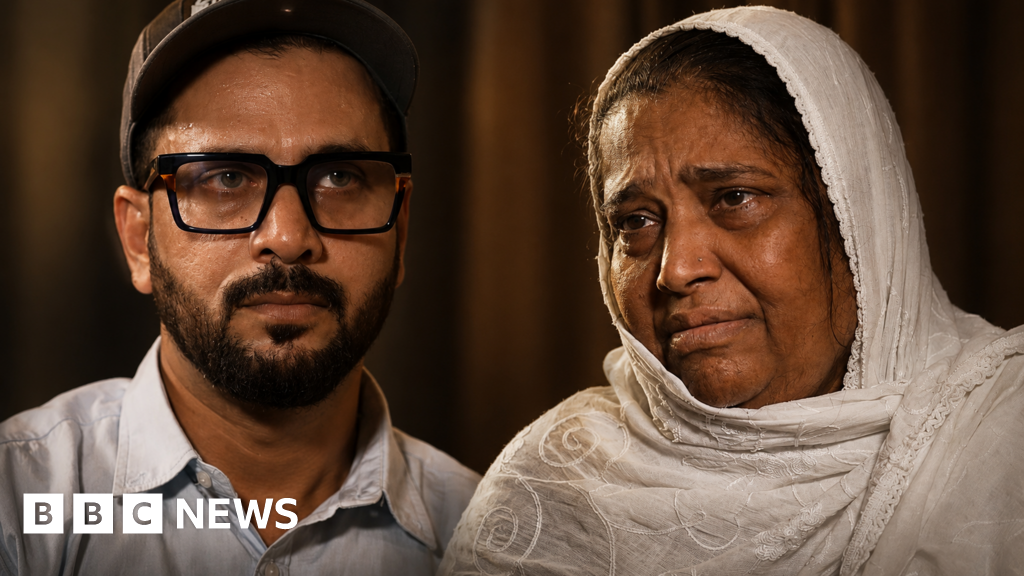
A year after the tragic Air India crash, the Ali family reflects on grief, unanswered questions, and the enduring bonds of love in the face of loss.
BBC Business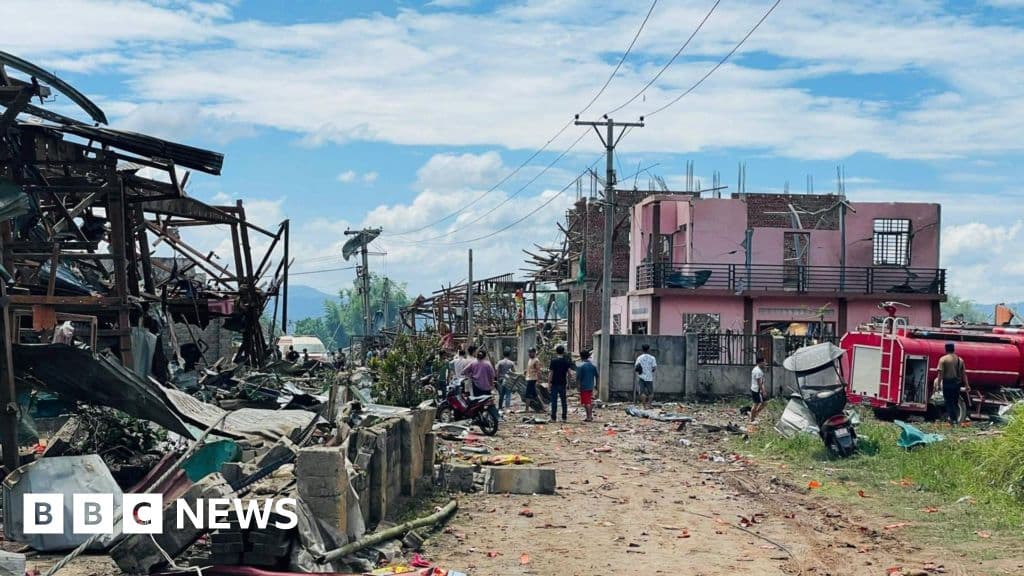
A devastating explosion in Myanmar's Kaung Tat village has killed at least 55 people, raising serious safety concerns and questions about civilian protection in conflict zones.
BBC World