
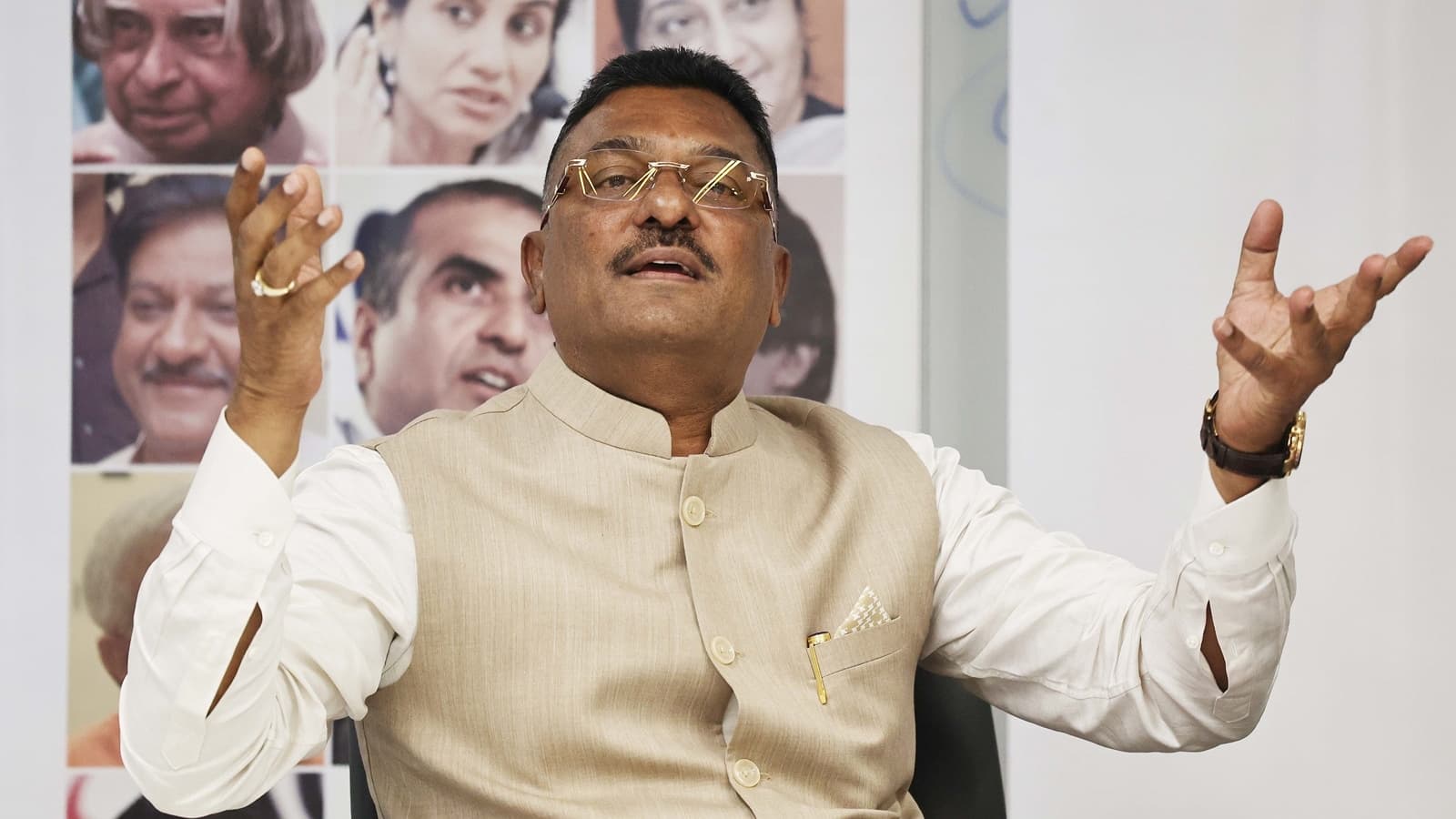
Image: Indian Express
Maharashtra's transport minister defends the Marathi language mandate for drivers, emphasizing communication over livelihoods. What does this mean for the future?
GlipzoAs the debate over Marathi language proficiency for auto and taxi drivers heats up in Maharashtra, Transport Minister Pratap Sarnaik stands firm in his defense of the initiative. During an engaging discussion at an Indian Express Townhall, Sarnaik emphasized that this rule, which dates back to 1989, primarily aims to enhance communication between drivers and passengers rather than to jeopardize the livelihoods of workers in the transport sector.
The question arises: why is the Maharashtra government enforcing this rule now, despite concerns regarding its impact on drivers' livelihoods? Sarnaik clarified, "This is not a new rule. It goes back to 1989 and I’m implementing it as transport minister. MLAs were writing to me about illegal permits and duplicate documents at RTOs."
He explained that the core issue revolves around effective communication. Many passengers, particularly those from rural parts of Maharashtra, often struggle to converse in Hindi, leading to misunderstandings and disputes with drivers. A survey conducted among 3,500 drivers in Mira-Bhayandar revealed that 565 drivers were not proficient in Marathi, highlighting the need for this mandate.
In response to union requests for more time, the government has extended the deadline for compliance to August 15. The state is not merely enforcing rules but actively assisting drivers in learning the language by collaborating with the Mumbai Marathi Sahitya Sangh to create a practical handbook tailored for conversational Marathi. Moreover, drivers will receive ₹100 for every half-hour lesson they complete.
Sarnaik assured that the intent behind this initiative is not to threaten drivers' jobs. "We’re not asking drivers to become scholars. No BA, MA, or PhD. Just enough Marathi to communicate with passengers and avoid disputes," he stated.
However, the transport minister did outline potential consequences for non-compliance after the deadline. Initially, drivers found lacking in language skills will face a ₹500 fine for their first offense. Sarnaik highlighted the importance of mutual respect, stating, "If you want to work in Maharashtra, you must know basic Marathi. Respect goes both ways. We’re not asking you to speak Marathi at home. Just to your passenger."
While the enforcement of Marathi proficiency may seem like a priority, critics question whether this focus diverts attention from other pressing transport issues such as illegal autos, subpar last-mile connectivity, and the dwindling fleet of BEST buses. Sarnaik acknowledged these challenges but insisted that the government is working on multiple fronts: - Expansion of the Metro network - Increased frequency of rail services - Improved ST and BEST bus services - Introduction of pod taxis for better connectivity
These structural changes, he asserts, may take time, but the progress made in the past five years is evident. Sarnaik also mentioned his proposal to the Chief Minister regarding the use of land under various local bodies for establishing EV charging stations, emphasizing the need for more infrastructure to support electric vehicles.
Criticism regarding the timing of the Marathi vs Hindi debate often surfaces during election cycles, leading some to believe the mandate unfairly targets working-class individuals rather than addressing the elite. Sarnaik refuted this notion, stating, "I don’t agree. I raised this as a transport minister and it’s spread from there."
He referred to recent regulations by the new BMC body that mandates all shop signs to be in Marathi, reinforcing that compliance is not limited to transportation. Sarnaik pointed out that high-profile figures like Shah Rukh Khan and Salman Khan do not require permits from the transport department, emphasizing that the focus remains on those who operate within the transport system and their obligation to the community.
As the deadline approaches, the government’s initiative raises questions about its long-term impact on the transportation ecosystem in Maharashtra. Will this mandate lead to a more harmonious interaction between drivers and passengers, or will it cause further tension among migrant workers?
The next few weeks will be critical as the government monitors compliance and assesses the reactions of drivers and unions. With rising fuel costs and potential fare hikes looming, it will be essential to balance language requirements while ensuring drivers can sustain their livelihoods. The government’s strategy, coupled with community support for drivers learning Marathi, could set a precedent for similar policies in other states.
As Maharashtra navigates these changes, stakeholders should remain vigilant and engaged in dialogues that prioritize both communication and the welfare of all workers in the transport sector.

Tensions soar as the US and Iran engage in air strikes near the Strait of Hormuz, raising concerns over global oil supply and regional stability.
BBC World
Trump's international interventions face serious stalemates. What will this mean for U.S. foreign policy? Explore the critical challenges ahead.
Indian Express
Tehran denies resignation of President Masoud Pezeshkian amid claims of IRGC influence. What does this mean for Iran's political stability? Click to learn more!
Indian Express