
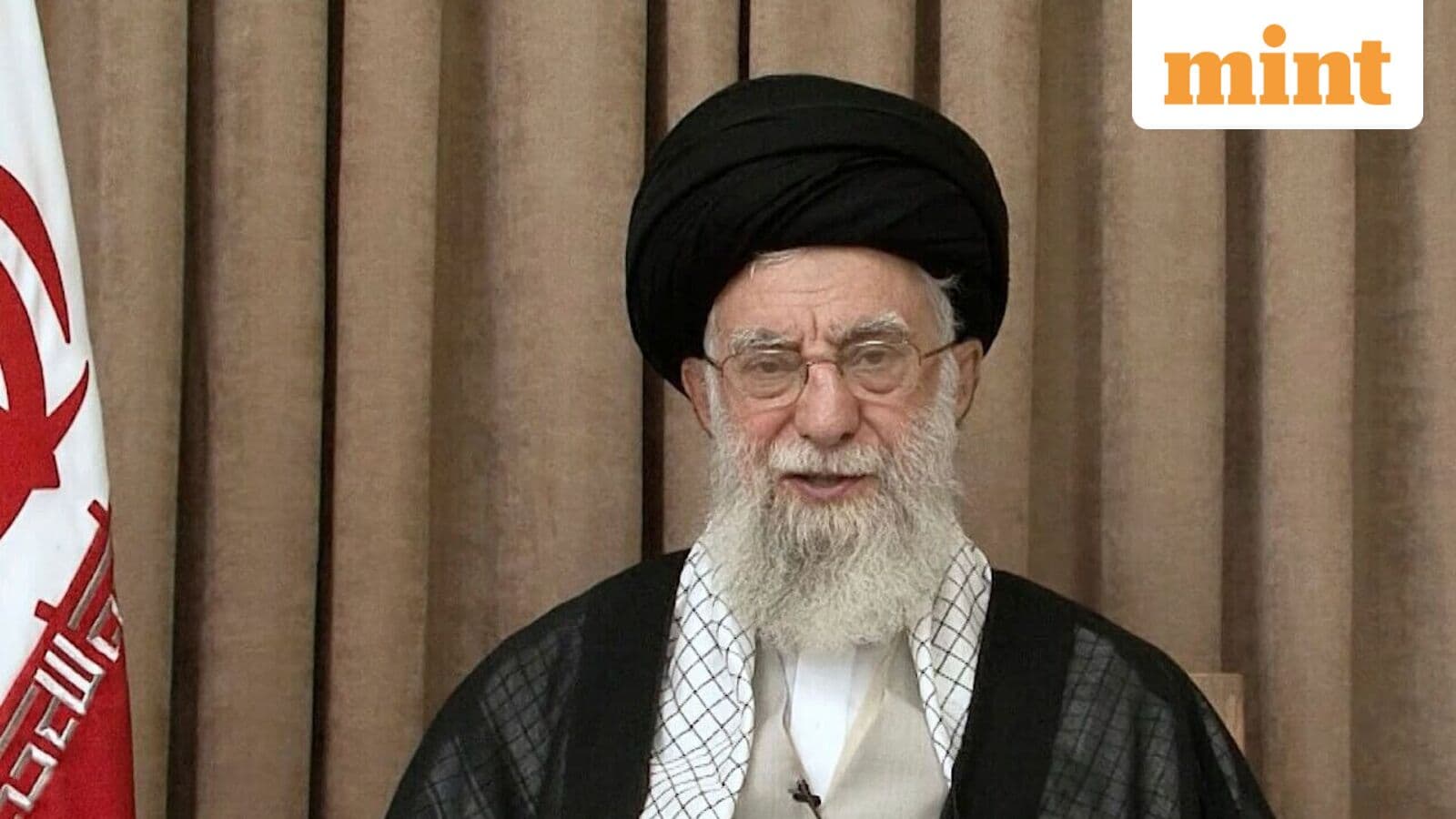
Image: Mint (Business)
Kintur village in UP mourns Ayatollah Khamenei's death, skipping Eid celebrations to protest military actions against Iran. Discover the community's deep ties and sentiments.
GlipzoIn a poignant reflection of grief, the Shia community in Kintur village, located in the Badosarai area of Barabanki district, Uttar Pradesh, chose to forgo traditional Eid-ul-Fitr celebrations this year. Instead, they dedicated their time to mourning the death of Ayatollah Ali Khamenei, the former Supreme Leader of Iran, who tragically lost his life during recent airstrikes conducted by US and Israeli forces on March 1, 2023. This decision stands in stark contrast to the jubilant festivities enjoyed by many others across North India.
The somber atmosphere enveloping Kintur is deeply rooted in the community's historical ties to Khamenei. The villagers' connection to the late cleric is not merely symbolic; it resonates through generations, linking them to significant historical events and figures in Iran’s Islamic revolution.
Local residents gathered not to celebrate Eid but to express their dissent against what they perceive as unjust military actions against Iran. Sarwar Ali, the caretaker of the 19th-century Waqf Nawab Amjad Ali Khan Imambara, highlighted the community's collective sorrow. He reported that instead of the customary festive preparations—like cooking 'sewaiyaan' (sweet vermicelli)—families engaged in congregational prayers and a peaceful protest, raising slogans against Israel.
"Shia families observed no festivities this year. They only gathered for prayers and to show solidarity with the Iranian people," Ali stated, underscoring the gravity of the community's sentiment. This sentiment is not merely a reaction to Khamenei's death but also a reflection of broader geopolitical tensions affecting their beliefs and cultural practices.
Dr. Rehan Kazmi, a dedicated member of the Kintur community, emphasized the deep-rooted historical significance Kintur holds in connection to Ayatollah Ruhollah Khomeini, Khamenei's mentor. According to local lore, Khomeini's ancestry traces back to this village, where his forefather migrated to Iran about 150 years ago. This lineage remains a source of pride and emotional resonance for the villagers, linking them to the rich history of Iran's Islamic Republic.
Syed Nihal Ahmad Kazmi, who identifies as a descendant of Khomeini, elaborated on the historical journey of Syed Ahmad Musavi, Khomeini's grandfather. Musavi was a freedom fighter against British colonial rule who emigrated to Iran in 1834 after being exiled following a pilgrimage. His grandson, Khomeini, would go on to become a pivotal figure in Iran's history, and Khamenei, as a devoted disciple, has upheld his legacy for decades.
Following the news of Khamenei's death, residents of Kintur and nearby areas organized prayer gatherings and majlises (mourning assemblies) to honor his memory. These gatherings served not only as a means of collective mourning but also as a platform to express their concerns regarding the ongoing conflicts in the region.
The situation in the Middle East remains tense, with reports emerging of Israeli military actions intensifying. On the same day Kintur mourned, Israeli forces conducted airstrikes in Beirut, targeting the Iran-backed militant group Hezbollah, further escalating regional violence. The Saudi defense ministry reported intercepting 22 drones in the country, indicating a heightened state of alert across the region.
The decision by the residents of Kintur to forgo Eid festivities underscores the profound impact of cultural and historical connections on contemporary events. Their mourning reflects a broader narrative of solidarity within the Shia community and the geopolitical realities that shape their lives.
In a world increasingly affected by political unrest and military actions, the actions of Kintur's residents serve as a reminder of the interconnectedness of communities across borders. Their stance against military aggression highlights a desire for peace and understanding amid ongoing conflicts.
As Kintur navigates this period of mourning, the village's residents are likely to continue their efforts to honor Khamenei’s legacy while voicing their concerns regarding regional conflicts. The community's commitment to peaceful protest and remembrance suggests a resilience that may inspire similar actions in other communities affected by geopolitical tensions.
In the coming weeks, observers should monitor how the situation develops in the Middle East and how it impacts local communities in India and beyond. The ongoing dialogue surrounding military actions and their repercussions will undoubtedly affect cultural practices and expressions of solidarity, especially among the Shia Muslim population.
In conclusion, Kintur's choice to mourn instead of celebrate during Eid-ul-Fitr is a powerful testament to the influence of shared history and cultural identity in shaping responses to global events. As these dynamics unfold, they will continue to resonate within the community and across borders, highlighting the vital role of cultural memory in times of crisis.
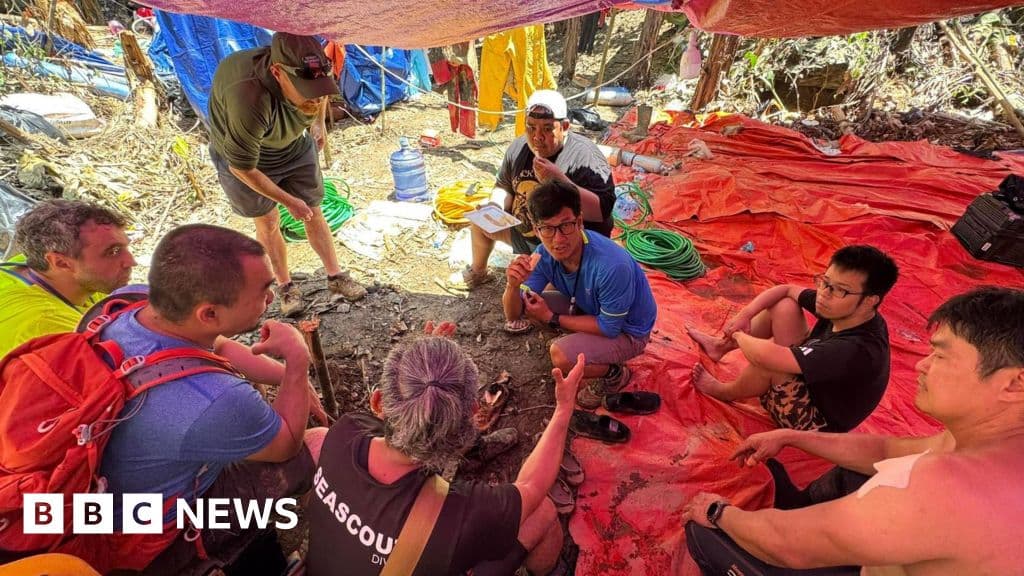
Survivors of the Laos cave rescue are aiding efforts to find the last two missing men trapped inside, sharing crucial insights for the search operation.
BBC World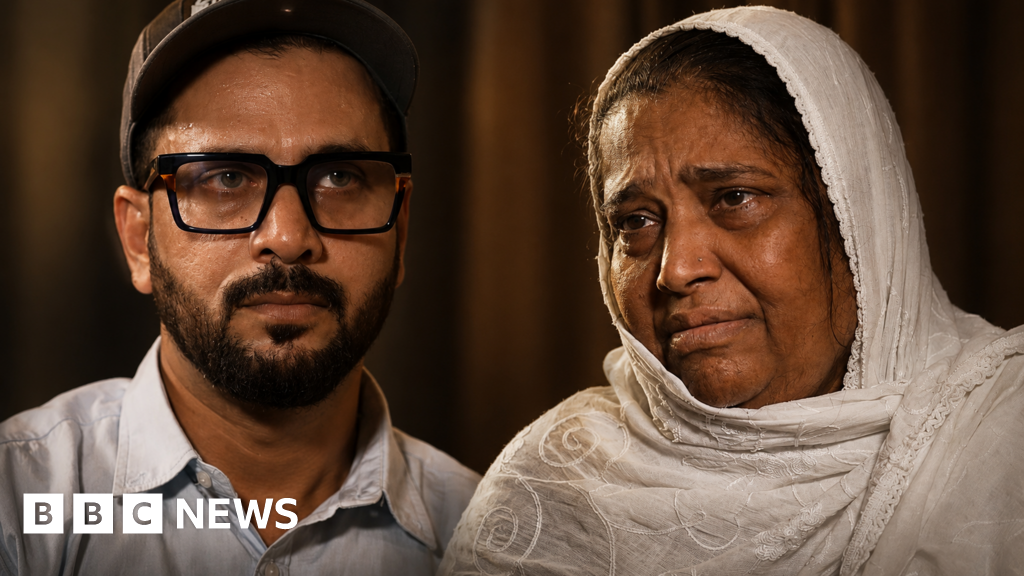
A year after the tragic Air India crash, the Ali family reflects on grief, unanswered questions, and the enduring bonds of love in the face of loss.
BBC Business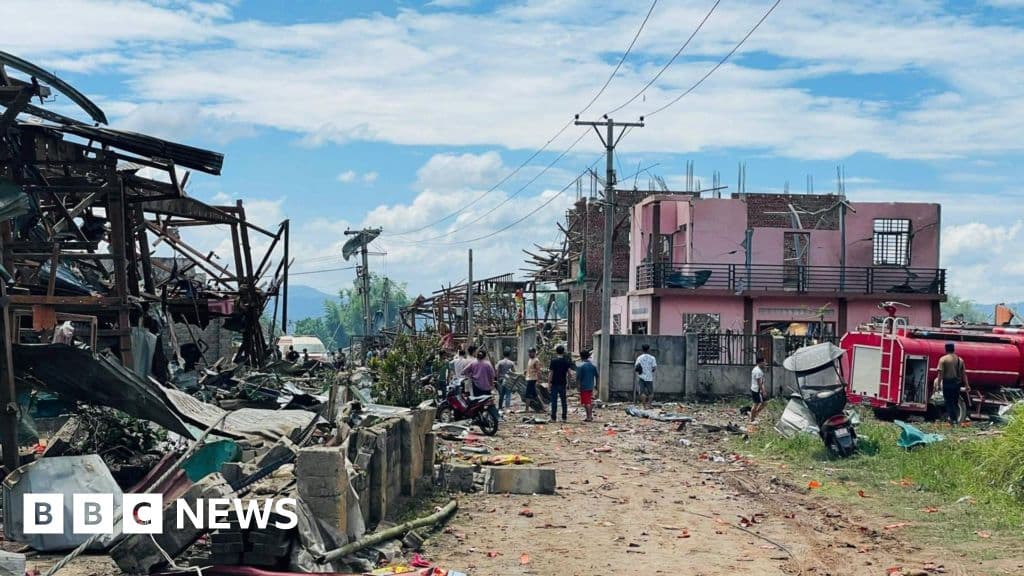
A devastating explosion in Myanmar's Kaung Tat village has killed at least 55 people, raising serious safety concerns and questions about civilian protection in conflict zones.
BBC World