
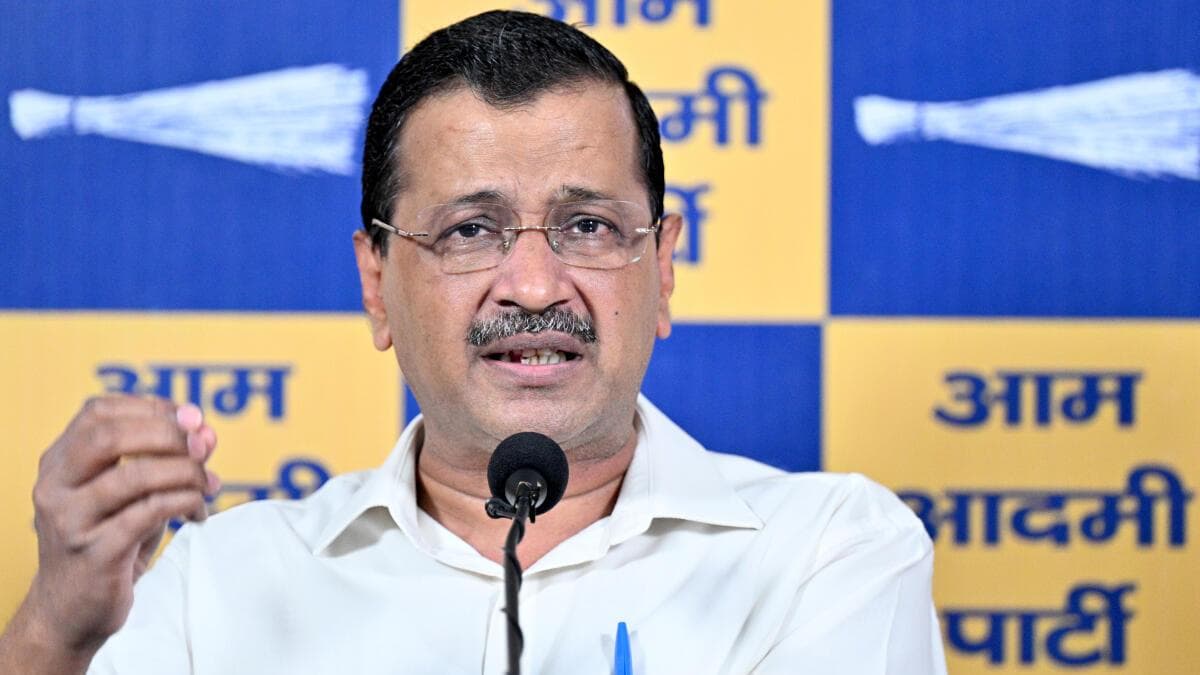
Image: The Hindu
Kejriwal and Sisodia seek a Supreme Court judge change in their excise policy case; potential political ramifications loom as the hearing approaches.
GlipzoIn a significant legal maneuver, Arvind Kejriwal, the Chief Minister of Delhi and leader of the Aam Aadmi Party (AAP), alongside senior party member Manish Sisodia, has approached the Supreme Court of India requesting a change of judge in their ongoing legal battle regarding the controversial excise policy case. This appeal, as stated by the party on Sunday, follows the Delhi High Court's recent denial to transfer the case from its current judge, Justice Swarana Kanta Sharma.
The Supreme Court is expected to deliberate on this plea on Monday, March 20, 2026. The urgency of this request stems from a desire for what Kejriwal and Sisodia claim to be a more impartial assessment of their case, particularly given the serious allegations involved and the scrutiny surrounding the excise policy that has been a focal point of political contention in the capital.
The excise policy case revolves around accusations of corruption and irregularities in the implementation of the liquor policy in Delhi. The Central Bureau of Investigation (CBI) has been actively investigating the matter, which has led to significant political ramifications for the AAP leadership. The party argues that the judicial process has been influenced unduly and that an impartial bench is necessary to ensure justice.
The political atmosphere surrounding this case is charged, with the AAP framing the investigation as a politically motivated attack. This narrative is crucial for the party as it seeks to rally support from its voter base, particularly ahead of upcoming elections. The implications of the Supreme Court's decision may significantly impact the political landscape in Delhi, as it could either vindicate or further complicate the AAP's position.
By seeking a change of judge, Kejriwal and Sisodia are strategically positioning themselves to argue for a fair hearing. They believe that a new judge could provide fresh perspectives on the case, potentially leading to a more favorable outcome. The request for an impartial bench is not just a legal strategy but also a public relations effort to project confidence in the judicial process.
The legal community has been closely watching this case, as it raises questions about the independence of the judiciary and the political influence on legal proceedings. Observers note that the outcome of this Supreme Court hearing could set a precedent for how similar cases are handled in the future.
The excise policy case is emblematic of the broader political tensions in India, where allegations of corruption often intertwine with political rivalry. For the AAP, this case is crucial not only for its leadership's legal standing but also for its credibility as a party committed to transparency and governance.
As the legal proceedings unfold, the focus will be on how the Supreme Court approaches the plea for a change of judge. Will they grant it, and what implications would that have for the excise policy case? Legal experts suggest that regardless of the outcome, the case will likely remain a pivotal issue in Delhi politics.
Moving forward, key developments to monitor include: - Supreme Court Ruling: The decision on whether to assign a new judge could impact the trajectory of the case significantly. - Political Responses: How the AAP and its opponents react to the ruling will be crucial in shaping public perception and political narratives. - Public Reaction: The response from citizens and party supporters can influence the party’s strategy and upcoming electoral prospects.
In conclusion, the plea by Kejriwal and Sisodia for a change of judge is not just a legal battle; it is a crucial moment for the AAP that could determine its future in Delhi’s political arena. The implications of this case will resonate far beyond the courtroom, potentially reshaping the dynamics of governance in the capital.

Tensions soar as the US and Iran engage in air strikes near the Strait of Hormuz, raising concerns over global oil supply and regional stability.
BBC World
Trump's international interventions face serious stalemates. What will this mean for U.S. foreign policy? Explore the critical challenges ahead.
Indian Express
Tehran denies resignation of President Masoud Pezeshkian amid claims of IRGC influence. What does this mean for Iran's political stability? Click to learn more!
Indian Express