
Image: Bollywood Hungama
Javed Akhtar defends the Dhurandhar film series against propaganda claims, sparking a debate about storytelling and ideology in cinema. Discover his insights!
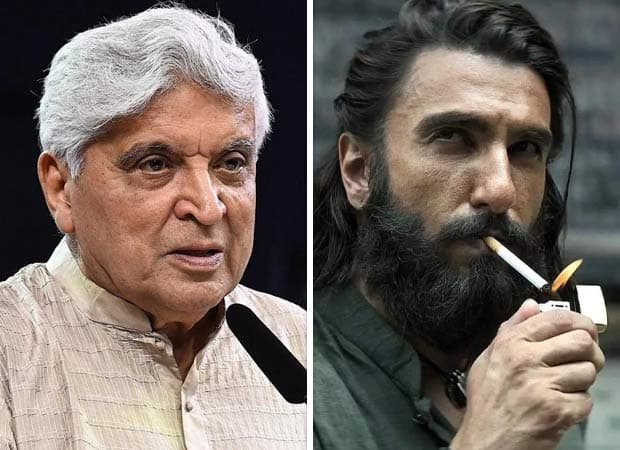
GlipzoJaved Akhtar, the esteemed lyricist and screenwriter, has recently become a vocal defender of the film franchise Dhurandhar, addressing the growing criticisms that label the films as propaganda. During a recent event honoring his contributions to the film industry, Akhtar took the opportunity to share his thoughts on the narrative direction of Dhurandhar and its sequel, Dhurandhar The Revenge.
In response to inquiries about the films’ alleged propaganda messaging, Akhtar expressed his admiration for the franchise, stating, "I don't know what you mean by propaganda films. I loved Dhurandhar; it was an excellent film. I liked the first one more than the second." His comments highlight his belief that storytelling in cinema often involves taking a stand, a notion that he believes should not be automatically dismissed as propaganda.
Akhtar elaborated on the broader conversation surrounding cinematic narratives, emphasizing that every story inherently takes a position. He questioned the notion that a film becomes propaganda simply because its message does not resonate with everyone. In his view, the role of filmmakers is to present their truth. "What is wrong with propaganda films?" he asked, challenging critics to reconsider their definitions and perceptions.
His remarks come at a pivotal time as the Dhurandhar series has ignited discussions about national identity and patriotism. The first film was released to considerable box office success, praised for its engaging narrative, which explored themes such as duty, sacrifice, and loyalty, ultimately resonating deeply with audiences across India.
Following the first film's triumph, Dhurandhar The Revenge sought to build on that momentum by delving deeper into the story’s implications. The sequel explored the repercussions of past actions while intensifying both its political and emotional stakes. Although it performed well commercially, the film faced a polarized reception, with some viewers expressing concerns over its ideological stance.
Akhtar recognized that audience interpretations of films can vary greatly. He pointed out that while narratives may strengthen certain ideologies or moral perspectives, this does not inherently render them problematic. Instead, he believes that such films reflect the vision of their creators and the socio-political climate of their time.
Discussing the themes prevalent in Dhurandhar, Akhtar noted that the film successfully reinstated values such as patriotism and moral responsibility. He acknowledged that while some aspects may be perceived differently by various audience segments, the essence of the film lies in its ability to evoke discussions about national pride and civic duty.
His opinions contribute to an ongoing dialogue about the nature of representation in cinema and the fine line between storytelling and propaganda. As society evolves and the media landscape changes, Akhtar's perspective encourages a deeper examination of the motivations behind film narratives.
As the debate over what constitutes propaganda in cinema continues, Akhtar's insights provide a refreshing lens through which to view this complex issue. The conversation raises important questions about artistic expression and the responsibilities filmmakers have towards their audiences. Film, after all, is not just entertainment; it often serves as a reflection of the times and the values society holds.
The implications of these discussions extend beyond the Dhurandhar franchise. They prompt filmmakers, audiences, and critics alike to engage in more nuanced conversations about the narratives presented in cinema. As we move forward, it will be crucial to watch how these evolving perspectives influence storytelling in the film industry.
Looking ahead, audiences can expect further explorations of these themes in upcoming films, as the intersection of storytelling and ideology remains a hot topic within the cinematic community. As viewers grow increasingly aware of the narratives they consume, filmmakers will likely continue to navigate these complex waters carefully, striving to balance artistic integrity with societal values.
In conclusion, Javed Akhtar's comments not only defend the Dhurandhar series but also ignite a broader discussion about the nature of film as a medium for both entertainment and ideological expression.
Also Read: Ranveer Singh starrer Dhurandhar controversy: Santosh Kumar RS agrees to stay silent on Aditya Dhar amid court proceedings.

Zahan Kapoor reveals an unconventional role in his upcoming film, signaling a significant shift from his breakout success in Black Warrant. What’s next for this rising star?
Bollywood Hungama
Discover how Vishal Jethwa is transforming his physique for Shakti Shalini, emphasizing the mental discipline behind peak fitness.
Bollywood Hungama
Discover the dark truths of urban development in Kammatipaadam, a film that reveals the often-overlooked sacrifices behind city growth.
Indian Express