
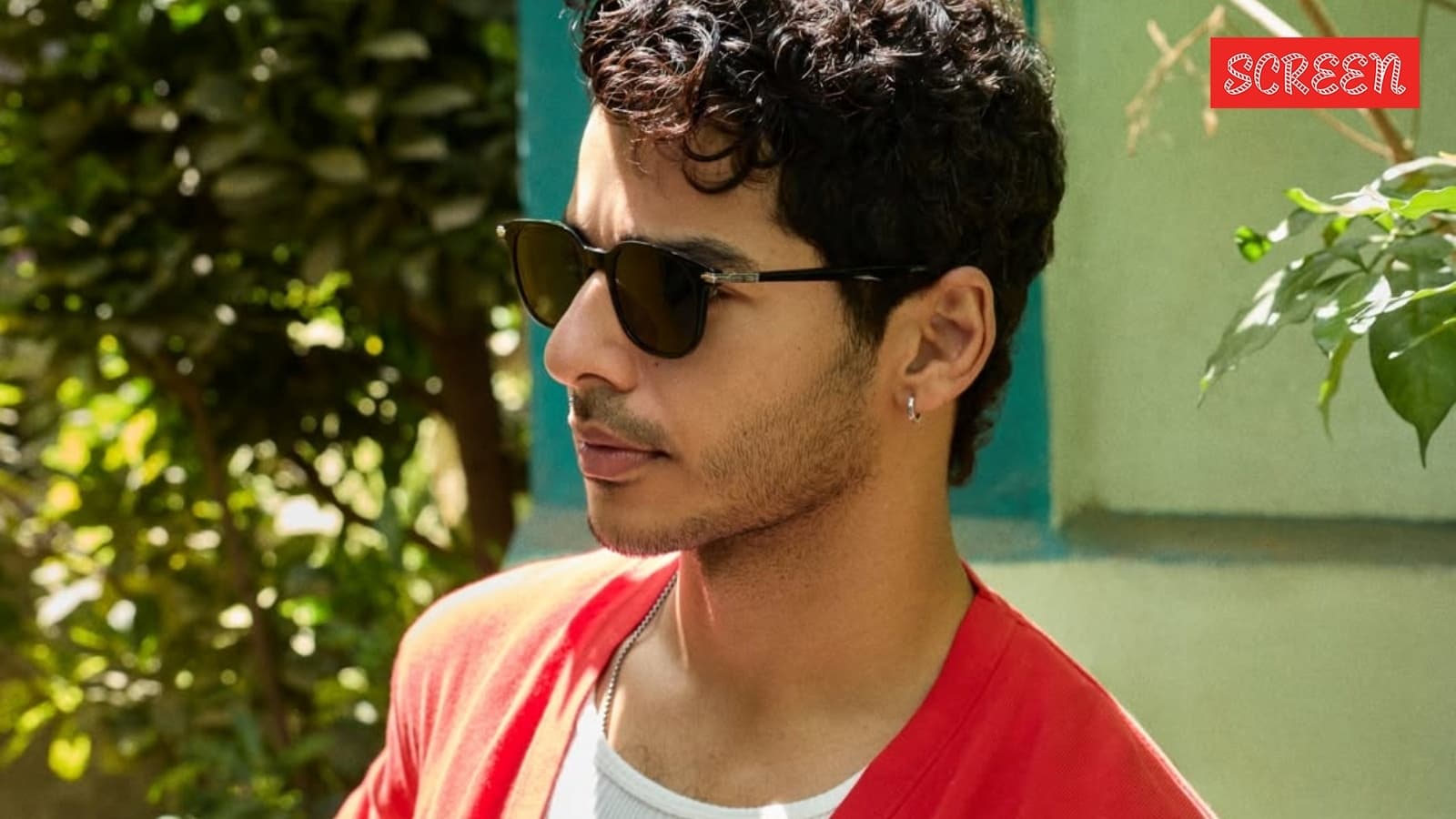
Image: Indian Express Entertainment
Ishaan Khatter opens up about his interfaith upbringing, exploring themes of acceptance, identity, and the impact of family in his life.
GlipzoIshaan Khatter, the talented actor known for his roles in films like Dhadak and Khaali Peeli, recently opened up about the profound impact his interfaith upbringing has had on his life and career. In a candid interview with Filmfare, Khatter shared insights into his childhood experiences growing up in a mixed-religion household, navigating the complexities of identity, acceptance, and prejudice.
Born to actors Rajesh Khattar and Neelima Azeem, Ishaan is the younger half-brother of the acclaimed actor Shahid Kapoor. His unique familial dynamic offers a fascinating lens through which to understand his worldview. Khatter articulated how the blend of cultures and faiths in his upbringing has shaped his perspective, saying, "I come from a mixed-faith household. It was an inter-religious marriage. My father is a Punjabi, my mom is from a Muslim background. That was actually my idea of India and that kind of inclusivity, diversity—it sort of defines who we are as people."
Khatter emphasized that this diversity is a strength, stating, "It’s our strength that we have so many cultures and they mix so seamlessly. The feeling of being Indian is not shortchanged by any of these faiths; it’s its own beautiful thing." This sentiment speaks volumes about the importance of inclusivity, especially in a country as diverse as India.
Despite the rich tapestry of cultures surrounding him, Ishaan's childhood was not devoid of challenges. He recounted experiences of both acceptance and prejudice, reflecting on how people often rush to judgment without understanding the context of another's life. "I did see instances where I saw both ends of the coin—divisiveness, hate, otherness, a lot of pre-judgment," he explained.
The actor highlighted a troubling societal trend: casual prejudice and intolerance that is often embedded in everyday language. "You hear people say things you don’t expect sometimes. You see an intolerant nature in people—people immediately judging others," he noted. This observation underscores the need for greater empathy and understanding in today’s world, where social divisions can often overshadow shared humanity.
Ishaan pointed out that such attitudes are not just personal failings but are often normalized in societal discourse. He remarked, "Even when films have a strong point of view, they usually end up becoming a ‘you vs me’ debate. It’s never looked at from a different lens." This commentary reflects a broader issue in media and culture, where nuanced conversations are often overshadowed by divisiveness.
Reflecting on his upbringing, Ishaan shared the significant influence of his mother in his life. He spent most of his formative years with her, which fostered a unique bond between them. "My mom was very patient with me, we are friends. I can talk to her about anything—the comfort level I have with her, love life, girlfriends, anything, very openly," he stated.
This strong maternal relationship has undoubtedly contributed to his emotional intelligence and sensitivity towards others. He expressed gratitude for having such a supportive figure in his life, stating, "She has always given me that space. I am really grateful I have that relationship with her."
Additionally, Ishaan acknowledged the important role his grandmother played during his teenage years, particularly through the tumultuous times of adolescence. "I think I had my terrible teens with her. I was at an age where hormones were all going wild, and my naani saw the most of it. She passed away five years ago," he reminisced. His reflections on his grandmother highlight the often-unseen sacrifices that family members make during the formative years of a young person's life.
As Ishaan navigated his youth, he also developed a sense of independence that he credits as part of his growth. "I have also been, to some degree, self-parented. Not to take away anything from my parents, but I think I also have a very independent mind," he shared. This notion of self-parenting suggests that personal development is often a combination of external influences and internal reflection.
In discussing his relationship with his father, Khatter noted that he turns to him for financial guidance and philosophical discussions. "For financial advice, I go to my father. He helps me understand a lot of that. He always has this philosophical worldview, a lot to talk about," Ishaan explained. This duality of guidance from both parents has helped him navigate the complexities of adulthood.
Ishaan Khatter's experiences growing up in an interfaith household offer a vital perspective on the importance of acceptance and understanding in a diverse society. His reflections challenge us to consider how our own biases may shape our interactions with others. As he eloquently pointed out, the fabric of our identities is often woven from the diverse threads of experience, culture, and belief.
As we look to the future, Ishaan's journey serves as a reminder of the work that still needs to be done in promoting inclusivity and understanding across different communities. His story is not just a personal one but echoes a larger narrative about the need for empathy in navigating our increasingly polarized world.
As he continues to evolve both personally and professionally, audiences will surely be watching closely to see how Ishaan's unique upbringing continues to shape his artistry and activism in advocating for a more inclusive society.
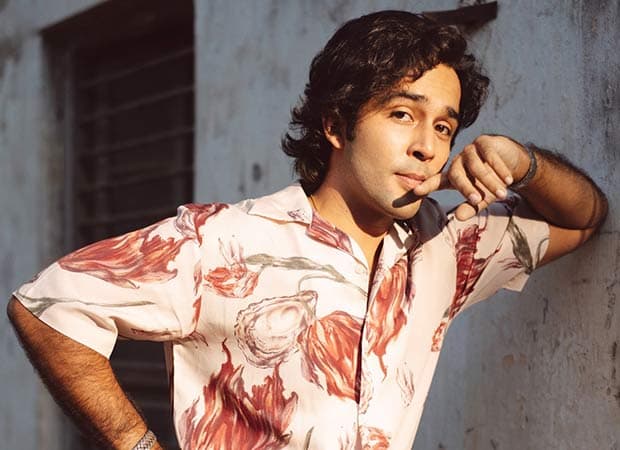
Zahan Kapoor reveals an unconventional role in his upcoming film, signaling a significant shift from his breakout success in Black Warrant. What’s next for this rising star?
Bollywood Hungama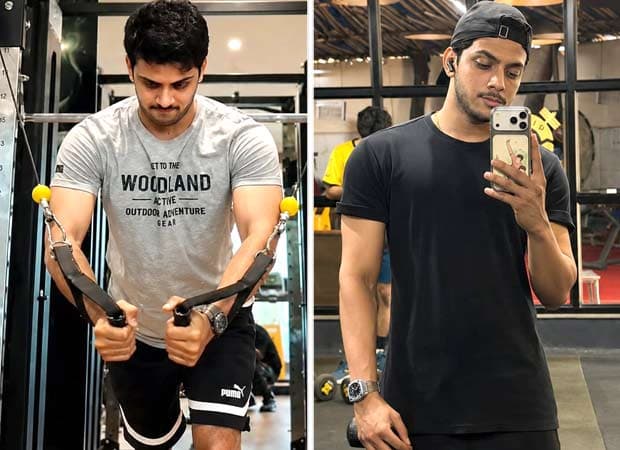
Discover how Vishal Jethwa is transforming his physique for Shakti Shalini, emphasizing the mental discipline behind peak fitness.
Bollywood Hungama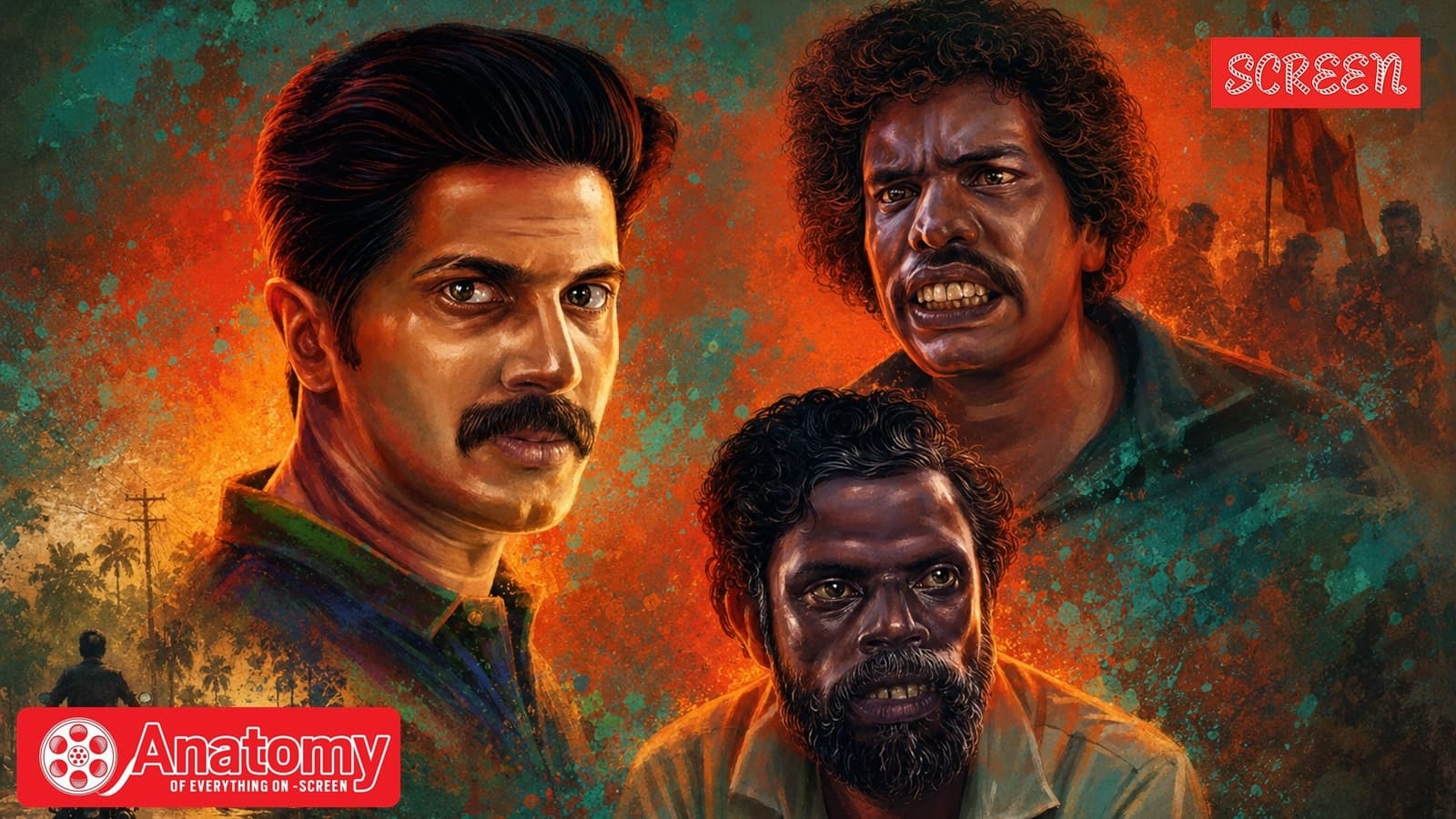
Discover the dark truths of urban development in Kammatipaadam, a film that reveals the often-overlooked sacrifices behind city growth.
Indian Express