

Image: ESPN
Is an international draft the future of baseball in Latin America? Explore the tragic story of Ismael Ureña Pérez and the urgent call for reform.
GlipzoSAN LUIS, DOMINICAN REPUBLIC – A heart-wrenching scene unfolds on the porch of a humble home, where two pillar candles flicker beside a photograph of a young athlete, Ismael Ureña Pérez. This memorial is a poignant reminder of the promise that was snuffed out too soon. Ismael, a talented teenager, tragically lost his life after suffering severe health issues following his experiences at a local baseball academy. His mother, Iris Pérez, now clings to memories, having disposed of his belongings, unable to face the daily reminder of her son's dreams.
During a fateful night two summers ago, Ismael returned home from training, declaring he would no longer attend the academy. The next day, his family noticed alarming symptoms: red urine and jaundice. A swift trip to the hospital led to a harrowing three days in intensive care, followed by a medically induced coma. Just 48 hours later, on July 25, 2024, Ismael succumbed to kidney failure, a fate his family blames on the rampant use of performance-enhancing drugs at the academy.
His tragic death has ignited a firestorm of outrage throughout the Dominican Republic, a nation already grappling with the exploitation of its young baseball talent. Ismael Ureña Pérez's story is not an isolated case but rather a reflection of a systemic issue that threatens the integrity of baseball in Latin America.
The trajectory of young baseball players from Latin America has long attracted the attention of Major League Baseball (MLB) teams, lured by the promise of talent and the potential for stardom. However, this influx of talent has also facilitated a breeding ground for corruption, age fraud, and unethical practices. As the MLB prepares for discussions regarding its next collective bargaining agreement, the need for reform within this international market has become increasingly urgent.
Among the proposed solutions is the concept of an international draft. MLB officials contend that implementing a draft system could curb the chaotic environment in which scouts and agents engage in predatory practices, often targeting minors and making illegal agreements. In contrast, members of the MLB Players Association argue that the focus should be on enforcing existing regulations more strictly to combat these issues effectively.
As of this season's Opening Day, 153 out of 948 players on MLB rosters hailed from the Dominican Republic and Venezuela, underscoring the significant contribution these nations make to the league. Notable stars such as Juan Soto, Ronald Acuña Jr., Vladimir Guerrero Jr., and Fernando Tatis Jr. have emerged from this talent-rich environment, collectively amassing 17 All-Star appearances and commanding contracts worth an astounding $1.7 billion.
The success of these players has intensified competition among MLB teams to recruit the next generation of talent. However, the existing international bonus pool limits have led teams to engage in illicit agreements at shockingly young ages, with reports indicating that handshake deals are being made with players as young as 11 years old.
A veteran scout lamented, "How can you possibly project a 12-year-old?" This sentiment highlights the disconnect between the rush to secure talent and the ethical implications of preying on young, impressionable athletes.
As discussions about the future of international baseball unfold, the need for reform is clear. Jonathan Peralta, a lawyer representing young players in the Dominican Republic, emphasizes that the pace of the industry is unsustainable. He argues, "The industry is moving too fast, but it's moving too fast for the kids."
The stakes are high as MLB grapples with the realities of an increasingly precarious system. The tragic story of Ismael Ureña Pérez serves as a critical reminder of the human cost of unchecked ambition and exploitation in sports.
As the MLB prepares to enter negotiations over its collective bargaining agreement, all eyes will be on how it addresses the international market's challenges. The discussions will not only shape the future of baseball in Latin America but also determine how the league can protect its young talents from exploitation.
While an international draft may be one potential solution, the league must also consider the importance of enforcing existing regulations and creating a safer environment for young athletes. The tragic loss of Ismael Ureña Pérez should serve as a catalyst for meaningful change, one that prioritizes the well-being of players over the pursuit of profit.
In the coming months, fans and stakeholders alike should watch closely to see how MLB responds to these pressing issues. The future of many aspiring athletes hangs in the balance, and it is imperative that the league takes decisive action to ensure that tragedies like Ismael's are not repeated.
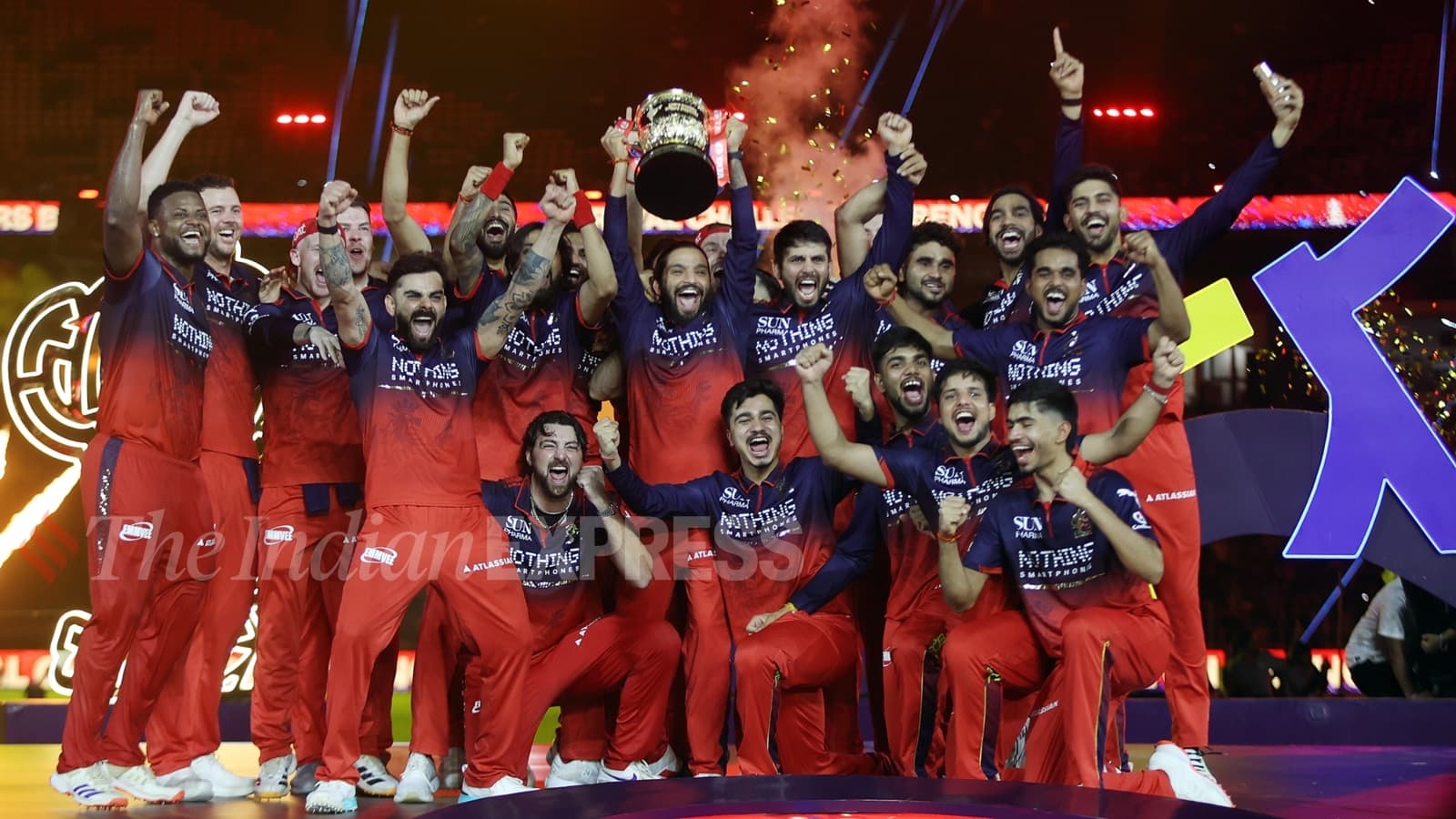
Rajat Patidar leads RCB to back-to-back IPL titles! Discover his leadership insights and goals for a historic third title in the upcoming season.
Indian Express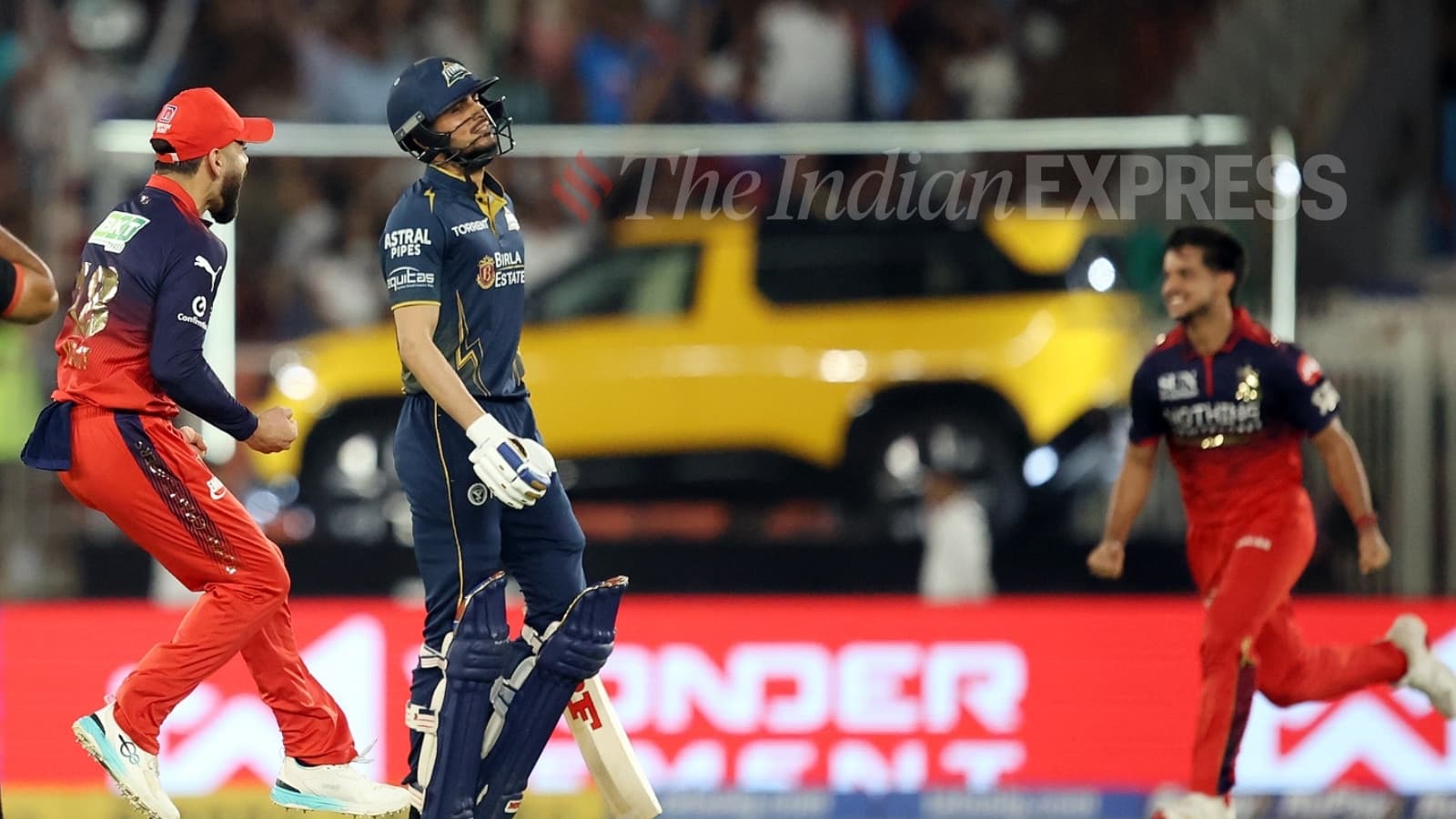
Gujarat Titans' Vikram Solanki reflects on their IPL 2026 final loss, acknowledging shortcomings and praising RCB's performance. What’s next for GT?
Indian Express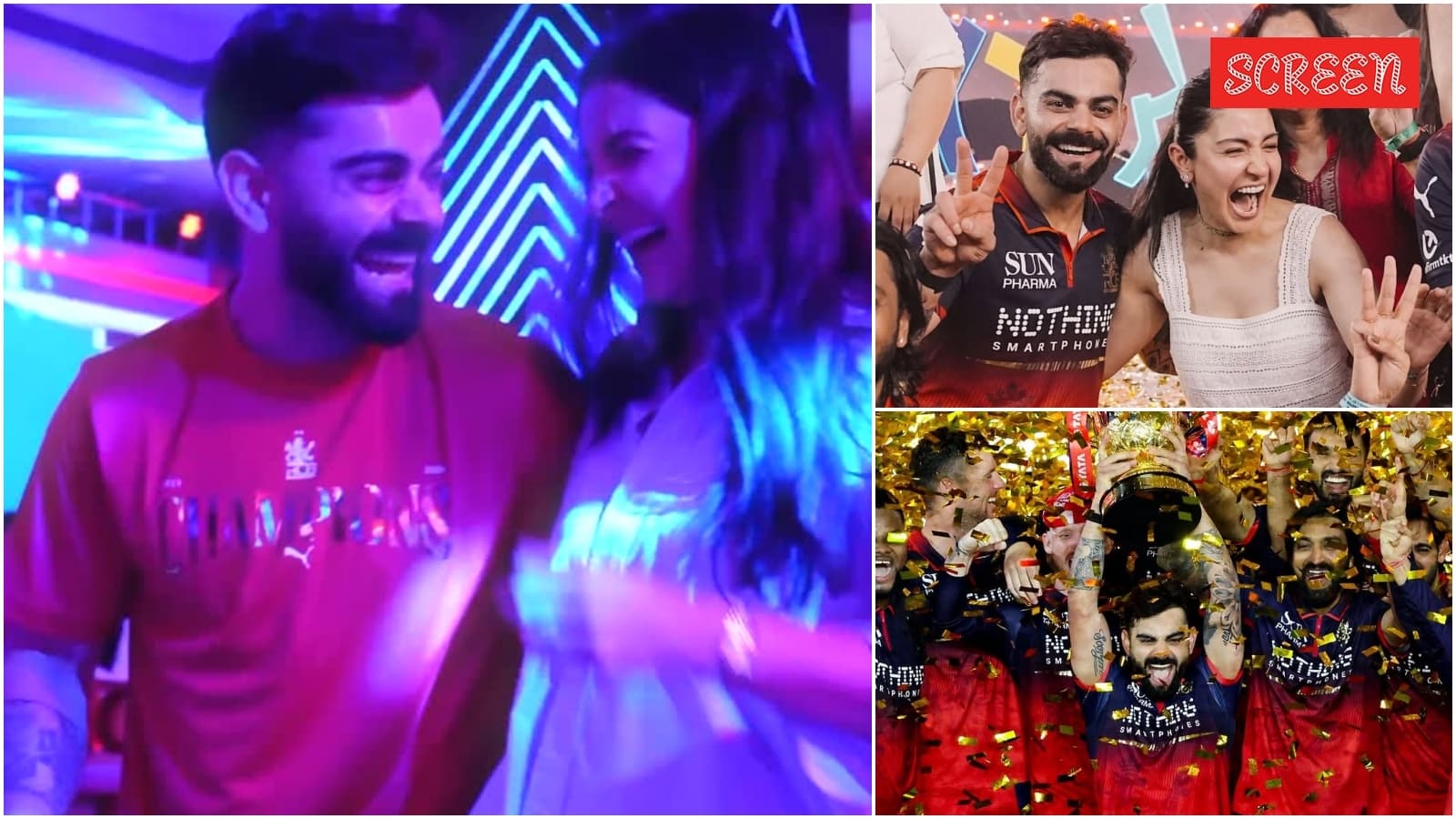
Virat Kohli and Anushka Sharma celebrate RCB's IPL 2026 victory with joy and emotion. Discover the highlights of this unforgettable night!
Indian Express