
Image: The Hindu
Iraq’s Kurdistan faces escalating violence as drone strikes intensify. Discover the implications of this conflict on regional stability and civilian safety.
GlipzoLast week, the skies over Erbil, the capital of Iraq’s autonomous Kurdistan Region, were illuminated by the frantic activity of air defense interceptors. Governor of Erbil reported that 17 drones targeted the city in a single night on March 10, prompting sirens to sound and residents to seek shelter. This incident marks a significant shift, as the Kurdistan Region, known for its stability amidst the chaos in Iraq, is now caught in the crossfire of a broader regional conflict.
The strikes in the region are not one-sided. They come from various sources: Iranian missiles targeting Kurdish opposition groups, drone attacks by Iran-aligned militias against U.S. bases, and retaliatory measures linked to the intensifying confrontation between Tehran and Washington. This multi-faceted approach reflects a dangerous escalation in hostilities, with Kurdish lawmakers in Baghdad expressing concerns over the federal government’s inadequate response, which they warn could further destabilize Iraq.
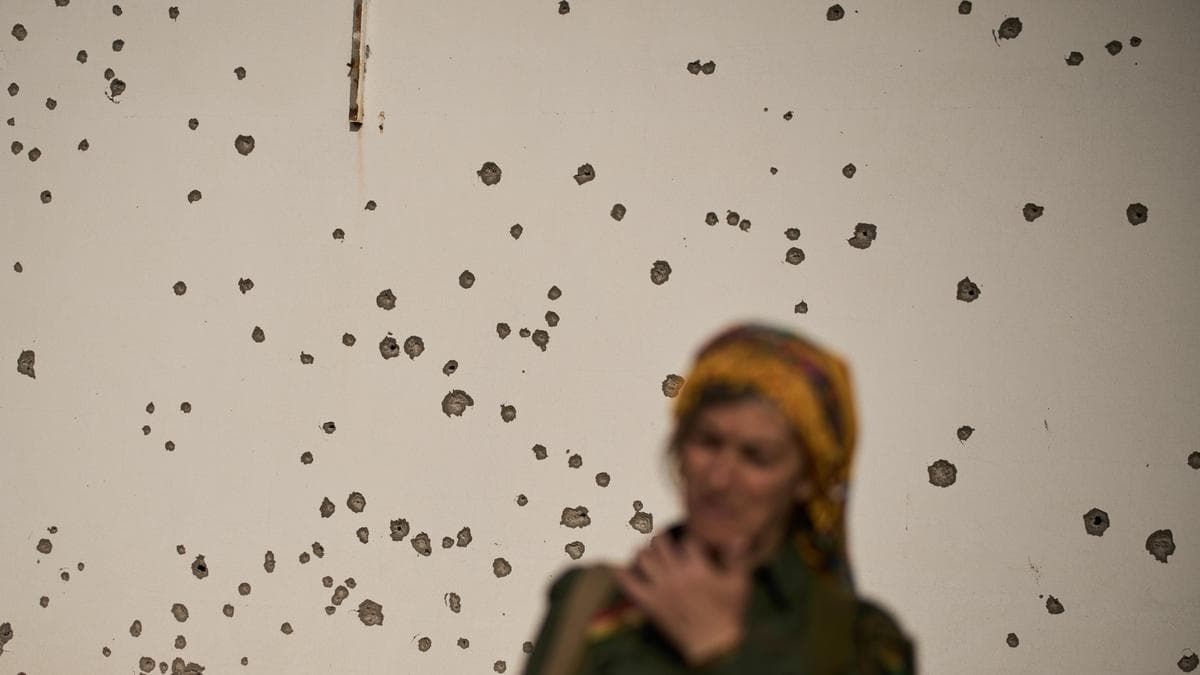
Since February 28, when the U.S. and Israel ramped up their military operations against Iran, the Kurdistan Region has experienced an alarming 307 strikes from the Islamic Revolutionary Guard Corps (IRGC) and its affiliates. These attacks have claimed eight lives and injured 51, according to the Community Peacemaker Team-Iraqi Kurdistan, which monitors the situation along the Iraq-Iran border. The damage extends beyond human life, with significant impacts on civilian infrastructure, including homes, oil fields, telecommunications networks, and public institutions.
Kamaran Osman, a member of the CPT, emphasized the extensive destruction caused by these strikes, noting that in just one week, 21 civilian homes were damaged by fragments from suicide drones and explosive remnants. The civilian toll includes security personnel at Erbil International Airport, Kurdish fighters affiliated with Iranian opposition groups, and even a French soldier who lost his life in a drone strike at a joint military base southwest of Erbil.
The situation in Iraq's Kurdistan is a reflection of larger geopolitical dynamics at play in the region. The involvement of foreign powers and local factions complicates the landscape, raising questions about the future stability of Iraq and the safety of its citizens.
The unfolding events in Iraq’s Kurdistan serve as a crucial reminder of the complexities of regional politics and the impact of foreign interventions. The need for a robust response to protect civilians while addressing the underlying tensions is more critical than ever. The coming weeks will be pivotal in determining whether this region can maintain its relative peace or be drawn further into the chaos that has engulfed much of the Middle East.

Tensions soar as the US and Iran engage in air strikes near the Strait of Hormuz, raising concerns over global oil supply and regional stability.
BBC World
Trump's international interventions face serious stalemates. What will this mean for U.S. foreign policy? Explore the critical challenges ahead.
Indian Express
Tehran denies resignation of President Masoud Pezeshkian amid claims of IRGC influence. What does this mean for Iran's political stability? Click to learn more!
Indian Express