
Image: The Hindu
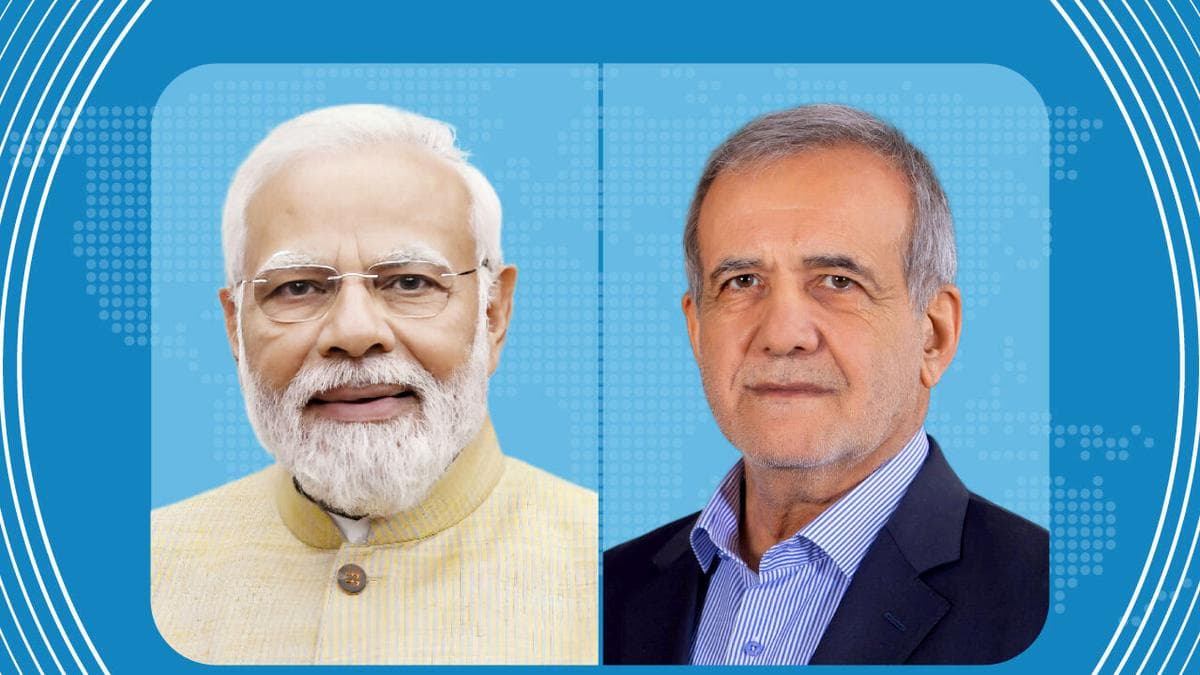
Iran's President Pezeshkian calls for a regional security framework in West Asia during a phone call with PM Modi, seeking BRICS support to end hostilities.
GlipzoIn a significant phone conversation on March 21, 2026, Iranian President Masoud Pezeshkian reached out to Prime Minister Narendra Modi of India to discuss escalating tensions in the West Asia region. During this critical dialogue, Pezeshkian emphasized the urgent need for an "immediate cessation" of what he termed U.S.-Israeli aggression, which he believes has exacerbated the ongoing conflict. This conversation sheds light on the intricate geopolitical dynamics at play and highlights Iran's desire for international support in stabilizing the region.
The Iranian Embassy in India reported the details of this conversation, indicating that Pezeshkian insisted on measures to prevent any future aggression. He urged the BRICS bloc—comprised of major emerging economies like India, Brazil, Russia, China, and South Africa—to assume a pivotal role in curbing hostilities against Iran, thereby promoting peace and stability.
During the call with Modi, President Pezeshkian proposed the establishment of a regional security framework that would include West Asian nations. This initiative aims to foster peace without external interference, a sentiment echoed by many in the region who believe that foreign military involvement often complicates matters further.
The Iranian leader's call for cooperation among neighboring countries is particularly significant in light of the ongoing conflicts that have plagued the region for decades. This proposed framework aims to: - Establish a collaborative security architecture among West Asian nations. - Prevent foreign interference in regional matters. - Strengthen diplomatic ties to ensure mutual respect and understanding.
Pezeshkian's advocacy for a unified approach reflects a growing recognition that regional issues may best be resolved through local diplomacy rather than external intervention. This sentiment resonates with many countries that have faced the brunt of foreign military actions in the past.
In response to Pezeshkian's remarks, Prime Minister Modi reiterated India's condemnation of attacks on critical infrastructure in the region, highlighting the importance of maintaining freedom of navigation in and around vital shipping lanes. Modi's statement underscores India’s vested interest in ensuring regional stability, particularly given the country's strategic maritime trade routes that pass through the area.
S. Jaishankar, India's External Affairs Minister, also engaged in discussions with his Iranian counterpart, Seyed Abbas Araghchi, to explore the broader implications of the West Asia conflict. These discussions indicate India’s proactive stance in regional diplomacy and its efforts to engage with key players to foster dialogue and understanding.
This development is significant for multiple reasons: - Geopolitical Influence: A stable West Asia directly impacts global energy markets and international security. - Economic Interests: India’s economic ties with both Iran and other West Asian nations make it crucial for New Delhi to navigate these waters carefully to protect its interests. - BRICS Leadership: As the current chair of BRICS, India’s role in mediating conflicts and pushing for a peaceful resolution is more critical than ever.
As tensions simmer in West Asia, the world will be watching closely to see how India responds to the Iranian President's call for intervention through BRICS. The outcomes of these discussions could shape not only the future of Iran-India relations but also the broader geopolitical landscape of the region.
Key things to watch for include: - Potential BRICS initiatives aimed at facilitating dialogue among West Asian nations. - Continued engagements between Indian and Iranian officials to address mutual concerns and reinforce diplomatic ties. - Responses from the U.S. and Israel regarding the proposed cessation of hostilities and the security framework, which could influence future actions in the region.
In conclusion, the dialogue between Modi and Pezeshkian represents a critical juncture in West Asian geopolitics, with implications that extend far beyond regional borders. As nations grapple with the complexities of international relations, the push for a peaceful and cooperative West Asia remains a pressing and vital goal.

Tensions soar as the US and Iran engage in air strikes near the Strait of Hormuz, raising concerns over global oil supply and regional stability.
BBC World
Trump's international interventions face serious stalemates. What will this mean for U.S. foreign policy? Explore the critical challenges ahead.
Indian Express
Tehran denies resignation of President Masoud Pezeshkian amid claims of IRGC influence. What does this mean for Iran's political stability? Click to learn more!
Indian Express