
Image: Mint (Business)
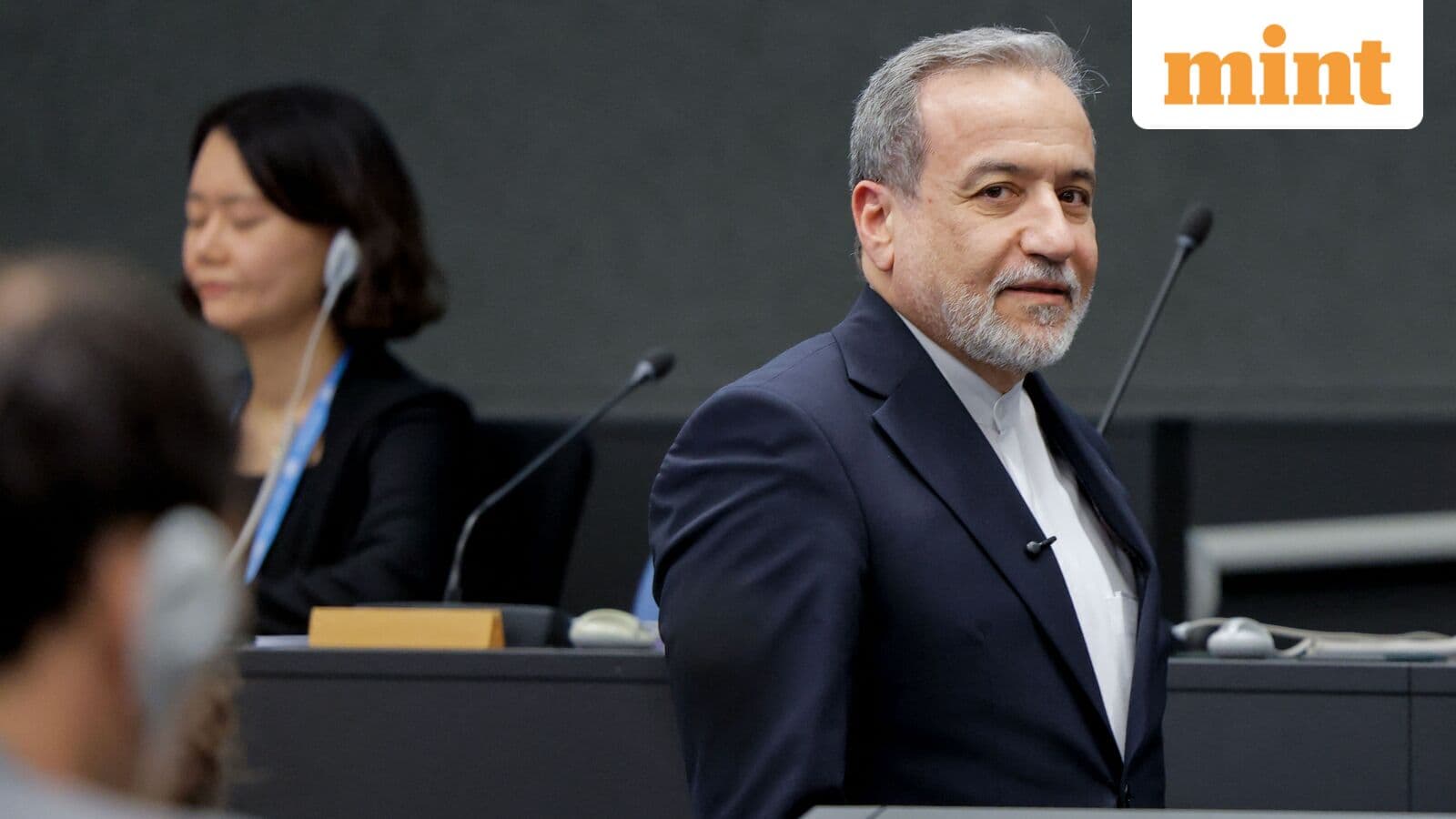
Iran's Foreign Minister Abbas Araghchi rejects Trump's claims of wanting a ceasefire, stating no negotiations with the U.S. are on the table. Read more.
GlipzoIn a bold assertion of its sovereignty, Iran's Foreign Minister Abbas Araghchi publicly rejected claims made by U.S. President Donald Trump regarding Tehran's desire to negotiate a ceasefire to end ongoing hostilities. In an interview aired on CBS's "Face The Nation" on Sunday, Araghchi emphasized that Iran remains steadfast and uninterested in any discussions with the United States.
"We are stable and strong enough. We are only defending our people," Araghchi stated firmly. He elaborated that previous engagements with U.S. negotiators have left Iran with little trust, saying, "There is no good experience talking with Americans." The Foreign Minister further stressed, "We never asked for a ceasefire, and we have never asked even for negotiation." This rejection reflects Iran's current approach amidst rising tensions in the region.
The backdrop of this latest diplomatic standoff is crucial. The United States and Israel escalated military actions against Iran on February 28, shortly after the third round of nuclear talks took place between Washington and Tehran. Trump's recent comments suggested a significant shift in perception, as he claimed that Iran was eager for a deal; however, he was not inclined to accept terms he deemed unfavorable.
In a post on Truth Social, Trump claimed, "The Fake News Media hates to report how well the United States Military has done against Iran, which is totally defeated and wants a deal." This declaration raises questions about both the military situation and the diplomatic landscape, as Araghchi's responses indicate Iran's reluctance to engage under current circumstances.
During an NBC News interview, President Trump expressed his unwillingness to pursue a deal without better terms, hinting that any agreement would require Iran to fully renounce its nuclear ambitions. He stated, "Iran wants to make a deal, and I don’t want to make it because the terms aren’t good enough yet." However, he remained vague about what those terms would entail, suggesting a complex negotiation process ahead.
Moreover, Trump indicated that he is collaborating with other nations to secure the Strait of Hormuz, a critical route for global oil shipments, amidst fluctuating oil prices. Several countries, according to Trump, have pledged support for security measures in the strait, although he refrained from detailing who those nations are.
As tensions rise, the Strait of Hormuz has become a focal point. Trump mentioned that he hopes nations such as China, France, Japan, South Korea, and the UK will contribute naval forces to ensure the strait remains open. His assertion that these countries view the situation as a significant concern underscores the global stakes involved.
In light of these developments, the rising gas prices in the U.S. have prompted questions from citizens. However, Trump dismissed these concerns, focusing instead on military strategies and international coalitions.
The ongoing conflict and the potential for negotiations heavily impact not only the U.S. and Iran but also global economic stability, particularly in the oil market. As both sides dig in their heels, the prospect of diplomatic resolution appears increasingly complicated.
Looking ahead, it remains crucial to monitor how both nations navigate these tumultuous waters. The potential for escalated military action could have significant repercussions, not just regionally but globally. Key developments to watch for include: - Further military engagements by the U.S. and its allies in response to Iranian actions. - Iran's potential diplomatic outreach to other nations for support and negotiations regarding oil shipments, especially through the Strait of Hormuz. - Responses from other global powers regarding security in the region, particularly in relation to oil supply stability.
As this situation unfolds, the international community will be keenly observing the dynamics of U.S.-Iran relations and their implications for global security and economic health.

Tensions soar as the US and Iran engage in air strikes near the Strait of Hormuz, raising concerns over global oil supply and regional stability.
BBC World
Trump's international interventions face serious stalemates. What will this mean for U.S. foreign policy? Explore the critical challenges ahead.
Indian Express
Tehran denies resignation of President Masoud Pezeshkian amid claims of IRGC influence. What does this mean for Iran's political stability? Click to learn more!
Indian Express