
Image: BBC World
Iran acknowledges progress in US negotiations but asserts a deal is not imminent. Key developments may reshape global oil markets and geopolitical dynamics.
GlipzoTensions between Iran and the United States remain high, but recent comments from Iranian Foreign Ministry spokesman Esmail Baqai suggest there has been some progress in ongoing discussions. However, Baqai clarified on Monday that any potential deal is still far from being finalized. His remarks came in response to US Secretary of State Marco Rubio, who hinted that an agreement might be reached soon.
"It is correct to say that we have reached a conclusion on a large portion of the issues under discussion," Baqai stated. Despite this assertion of progress, he firmly indicated that one cannot claim an agreement is imminent, emphasizing the complex nature of the negotiations.
Reports indicate that the proposed memorandum of understanding includes several key elements: - A 60-day extension of a ceasefire. - Plans to reopen the Strait of Hormuz, a vital shipping lane. - A framework for further discussions regarding Iran's nuclear program.
As the weekend unfolded, President Donald Trump suggested that the two nations were nearing a deal. However, he later advised negotiators to exercise caution and not rush into finalizing any agreement. Rubio, speaking from New Delhi, expressed optimism but urged restraint in interpreting the developments, stating, “It takes a little while to hear back from Iran.”
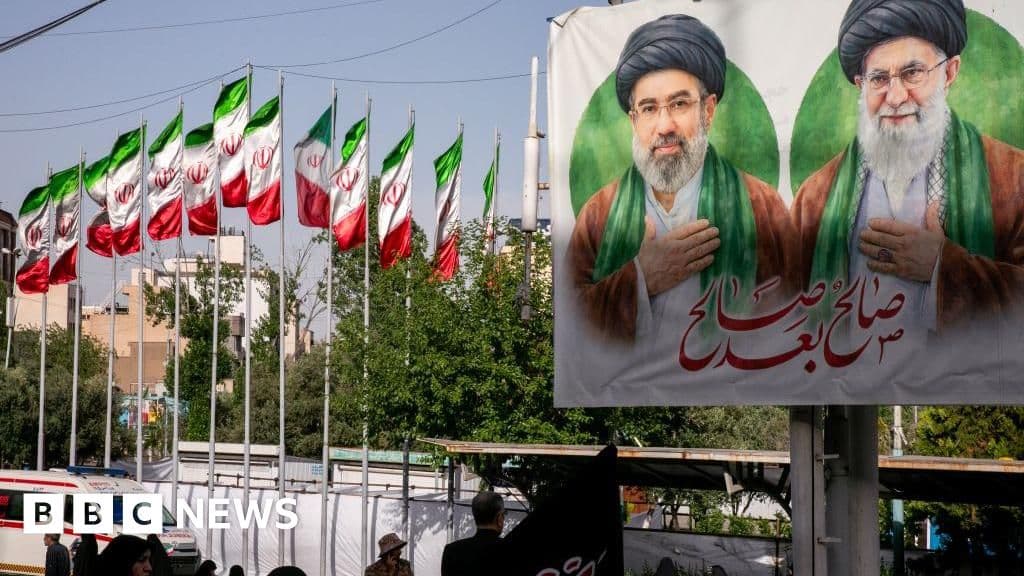
US intelligence reports highlight significant challenges in the negotiation process. Notably, Iran's Supreme Leader Mojtaba Khamenei, who recently sustained injuries from an Israeli strike, is reportedly in an undisclosed location. This situation complicates communication between Khamenei and his diplomatic team, which could be hampering the pace of negotiations with the US.
While a preliminary deal appears to be on the table, it is essential to note that it does not resolve all outstanding issues. Critical matters such as the timeline for lifting sanctions and the release of frozen Iranian assets are still unresolved. Additionally, Washington is pressing Iran to limit its nuclear ambitions, making future talks even more critical.
One of the most significant aspects of this potential agreement is its impact on global oil markets. The Strait of Hormuz is crucial for the transportation of 20% of the world’s oil and liquefied natural gas. As talks progress, oil prices have begun to decline, and Asian stock markets have responded positively, reflecting the market's cautious optimism about a possible resolution.
However, the proposed deal has sparked a divide among Republicans, with some senators expressing concern that it might be too lenient on Iran. Senator Ted Cruz called it a “disastrous mistake,” while Roger Wicker, chair of the Senate Armed Services Committee, argued that a ceasefire could undermine the achievements of recent military operations. Senator Lindsey Graham, a close ally of Trump, echoed these sentiments, questioning the rationale behind the war if Iran is allowed to maintain its influence.
In response to his critics, Trump has labeled them as “losers” and maintained that the upcoming deal with Iran will either be substantial or nonexistent. He reiterated the necessity for Iran to understand that it cannot pursue nuclear weapons.
Experts caution that even if a deal is reached in the coming days, the effects may not be immediately felt in global markets or shipping logistics. According to Lars Jensen, CEO of Vespucci Maritime, it could take months for the shipping industry to stabilize and return to pre-crisis conditions. Jensen explained that any prospective agreement would likely leave operators hesitant to implement major changes in their operational strategies right away.
As the situation develops, the international community will be closely monitoring the outcomes of these negotiations. Key points to observe include: - Timing and conditions of the ceasefire extension. - The scope of sanctions relief and the fate of frozen Iranian assets. - The response from Iranian leadership amid ongoing military and diplomatic pressures.
The next few weeks could prove pivotal in shaping the trajectory of US-Iran relations and their broader implications for global stability. Stakeholders across various sectors should prepare for potential shifts in policy and market dynamics as these discussions unfold.

Tensions soar as the US and Iran engage in air strikes near the Strait of Hormuz, raising concerns over global oil supply and regional stability.
BBC World
Trump's international interventions face serious stalemates. What will this mean for U.S. foreign policy? Explore the critical challenges ahead.
Indian Express
Tehran denies resignation of President Masoud Pezeshkian amid claims of IRGC influence. What does this mean for Iran's political stability? Click to learn more!
Indian Express