
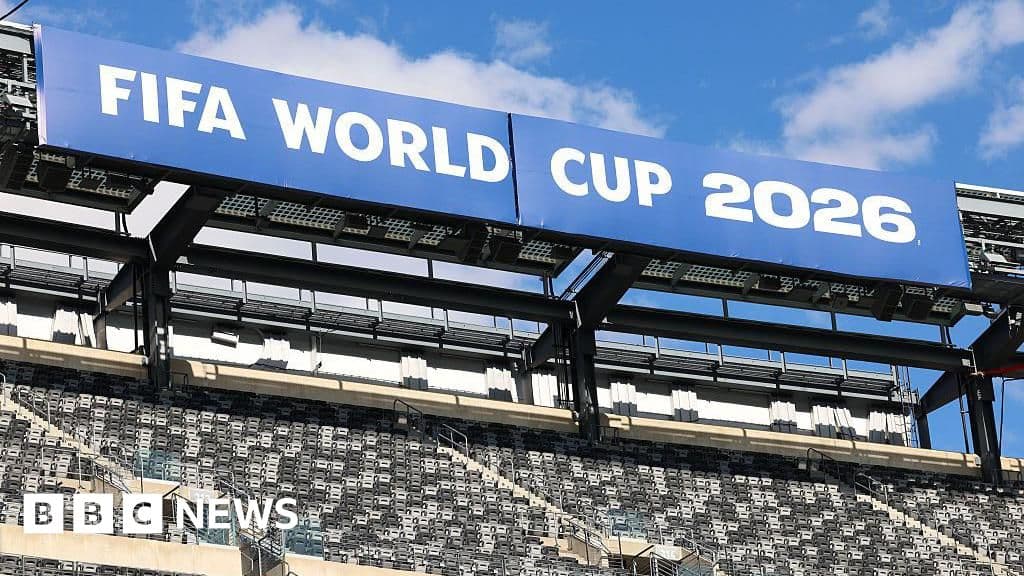
Image: BBC World
Iran demands guarantees for World Cup participation amid rising tensions. Discover what conditions they seek and the implications for international relations.
GlipzoAs the 2023 FIFA World Cup approaches, Iran has affirmed its intention to participate in the tournament, which is set to kick off on June 11 across the United States, Mexico, and Canada. However, the Iranian Football Federation (FFIRI) has laid down a series of demands that must be met for their participation to proceed smoothly. Amid rising tensions and complicated diplomatic relations, these demands reflect Iran's need for assurances that respect its national identity and security concerns.
The FFIRI, led by president Mehdi Taj, has made it clear that the team will compete in the World Cup “without any retreat from our beliefs, culture, and convictions.” This declaration signifies a strong stance as Iran navigates the complexities of international football and politics. The federation’s demands stem partly from Taj's recent experience, where he was denied entry to Canada prior to the FIFA Congress, highlighting the sensitive nature of Iran’s involvement in global sports.
The FFIRI has outlined a list of ten conditions that it expects FIFA and the tournament hosts to address. These conditions include: - Visa guarantees for all players, coaches, and officials, including those affiliated with the Islamic Revolutionary Guard Corps (IRGC). - Assurance of respectful treatment regarding the Iranian flag and national anthem during the tournament. - Enhanced security measures at airports, hotels, and stadiums to ensure the safety of the Iranian delegation.
These requests are critical, particularly given the IRGC's designation as a terrorist organization in both Canada and the United States, which complicates the entry of individuals associated with it into these countries. The denial of entry for Mehdi Taj underscores the geopolitical sensitivities at play.
FIFA's role in the upcoming World Cup includes overseeing tournament logistics and ensuring fair treatment for participating nations. However, certain aspects of Iran's demands—particularly those concerning visas and border security—lie within the jurisdiction of the U.S. government. This creates a challenging scenario for FIFA, as it must balance the needs of all teams while navigating the political landscape surrounding U.S.-Iran relations.
U.S. Secretary of State Marco Rubio has expressed that Iranian footballers are welcome at the tournament, yet he has cautioned that individuals linked to the IRGC may encounter entry restrictions. This duality emphasizes the intricacies involved in Iran's participation and FIFA's delicate balancing act.
The backdrop of the current situation includes a history of conflict and diplomatic tension between Iran, Israel, and the United States. Following a series of military actions on February 28, where both Israel and the U.S. conducted strikes against Iran, the region has been precariously positioned. Although hostilities have subsided under a fragile ceasefire, the ramifications of these events continue to affect diplomatic interactions.
Iran's requests also come in the wake of previous incidents that blurred the lines between politics and sports, particularly highlighted during the women’s Asian Cup in March. During that event, several Iranian players sought asylum in Australia, which resulted in a diplomatic standoff and showcases the political significance of sports in Iran.
In addition to logistical and security concerns, the FFIRI has requested that journalists focus solely on technical football matters, avoiding questions that venture into the political realm. This stipulation reflects Iran's desire to manage its public image during the World Cup, yet it raises questions about the practicality of such a request.
The intertwining of sports and politics is a long-standing issue in Iran, where nationalistic sentiments often surface during international competitions. This complex environment means that any match involving Iran could evoke broader political discussions, making it difficult for FIFA and the Iranian federation to maintain a strictly sports-focused narrative.
Despite the multitude of challenges, there are currently no indications that Iran will withdraw from the World Cup. Instead, the situation points towards ongoing negotiations between FIFA, Iranian officials, and U.S. authorities, as they work to establish conditions that will permit Iran's participation in this historic event.
As the tournament date approaches, all eyes will be on how these negotiations unfold. Key factors to watch include: - The finalization of visa processes for the Iranian delegation. - The response from FIFA regarding security measures and treatment of the Iranian team. - The broader implications of Iran's participation on international relations and the perception of Iranian athletes.
In conclusion, the upcoming World Cup not only represents a significant sporting event but also serves as a platform for geopolitical interplay. The world will be watching as Iran navigates these complex waters, striving to ensure its presence on the global stage while upholding its national identity and values.
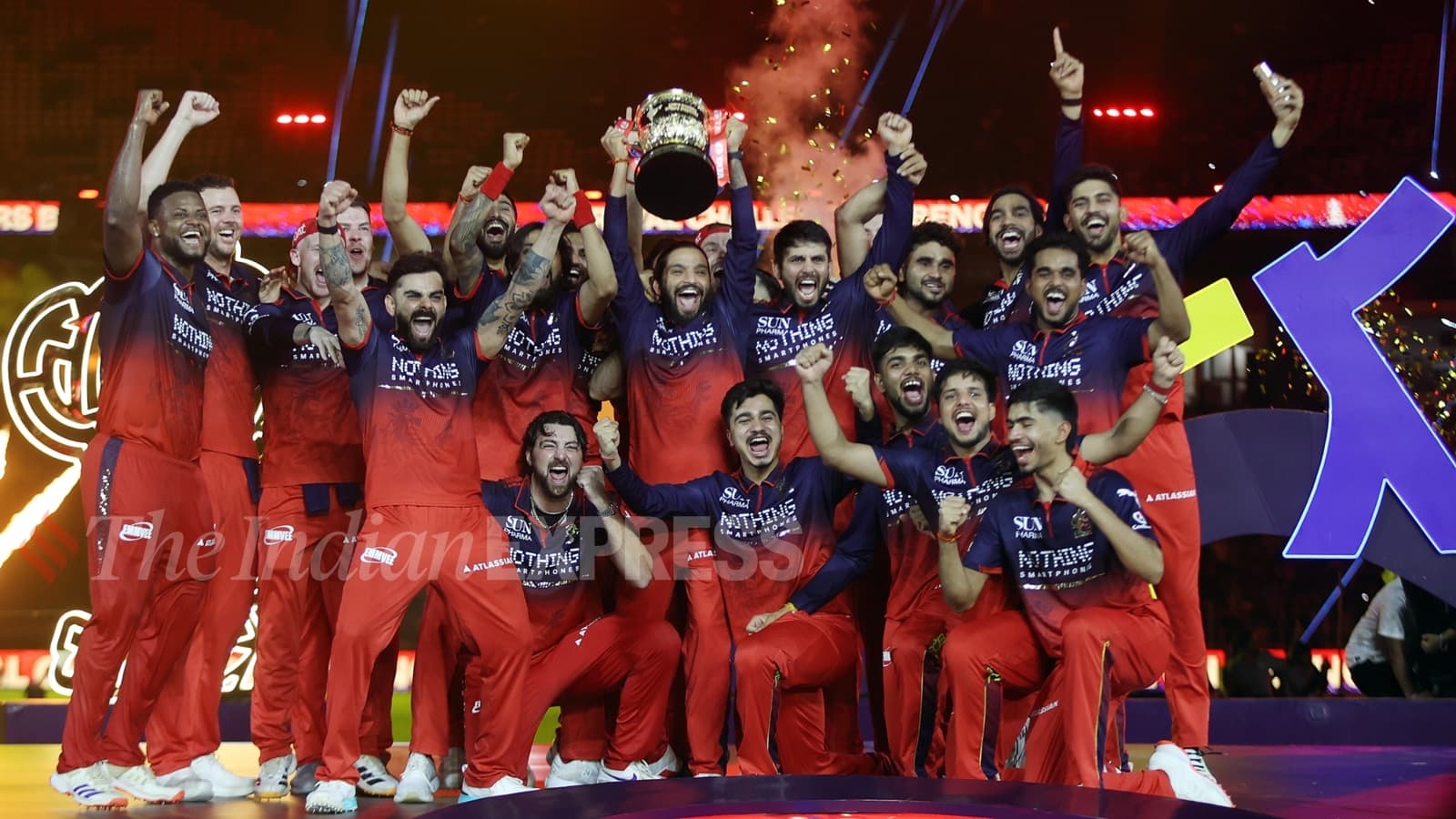
Rajat Patidar leads RCB to back-to-back IPL titles! Discover his leadership insights and goals for a historic third title in the upcoming season.
Indian Express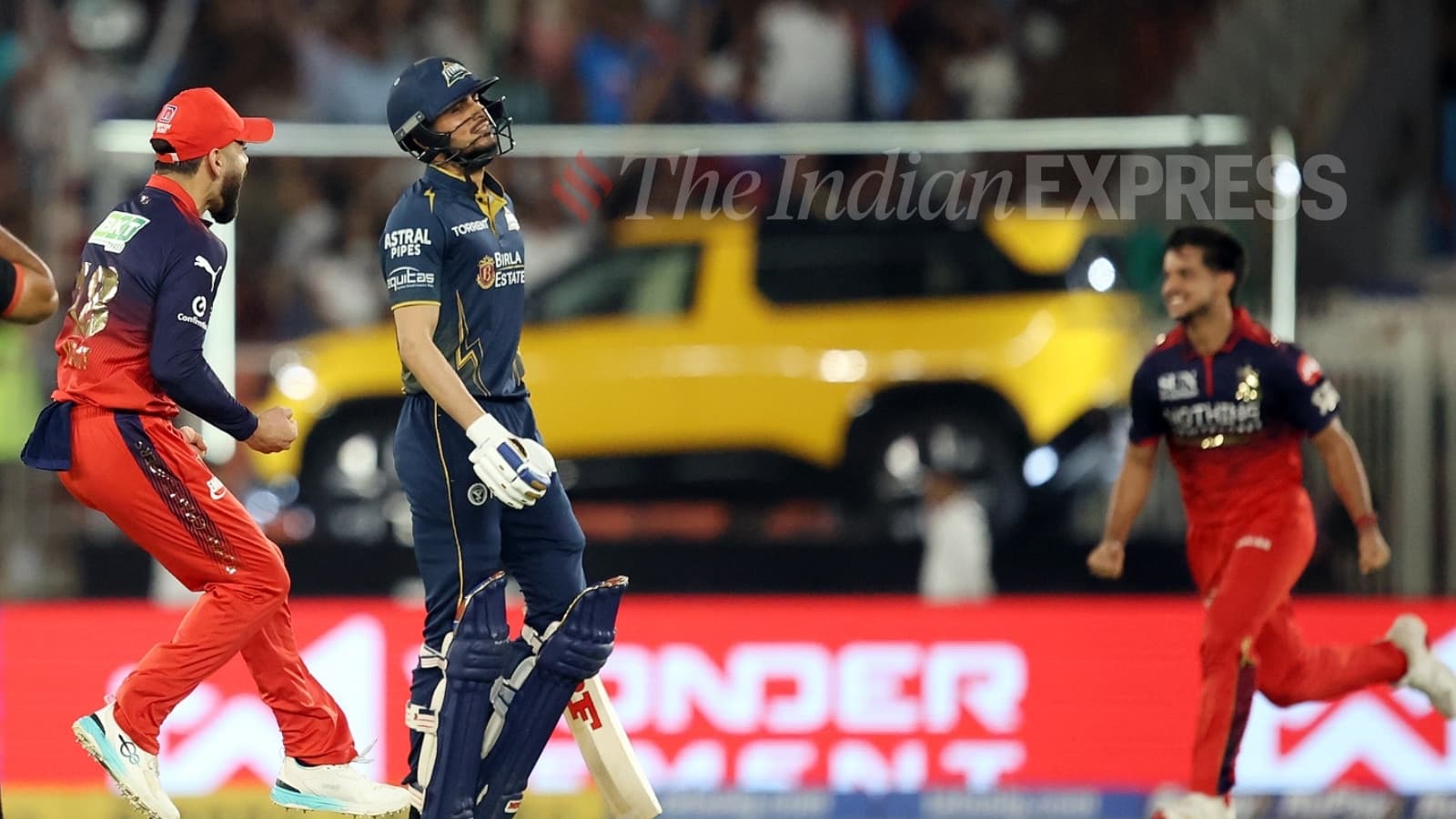
Gujarat Titans' Vikram Solanki reflects on their IPL 2026 final loss, acknowledging shortcomings and praising RCB's performance. What’s next for GT?
Indian Express
Virat Kohli and Anushka Sharma celebrate RCB's IPL 2026 victory with joy and emotion. Discover the highlights of this unforgettable night!
Indian Express