

Image: Indian Express
Discover Iran's new proposal for the Strait of Hormuz as tensions rise and explore the dynamics of West Bengal's elections and global diplomacy.
GlipzoAs the campaigning for the West Bengal elections concludes, a curious paradox has emerged regarding women voters. Despite widespread dissatisfaction with the Trinamool Congress over local governance shortcomings, many women still express strong personal trust in Chief Minister Mamata Banerjee. This voting bloc, pivotal for the party over the last decade, is increasingly vocal about their needs for job opportunities and better governance.
The disconnect between discontent and personal allegiance is evident. Women voters have been critical of the party’s performance, yet retain faith in Banerjee, affectionately known as Didi. Her approachable image and connection with the public have somewhat cushioned the blow of anti-incumbency sentiments. But the pressing question remains: will this personal trust translate into votes come election day?
In a significant diplomatic move, Iran has presented a new proposal to the United States aimed at reopening the Strait of Hormuz. This vital shipping lane has been a focal point of disruption, affecting global energy supply chains. Iran's intent to prioritize stability through the reopening of Hormuz signals a desire for de-escalation amid ongoing conflicts.
This proposal reflects an effort to rekindle diplomatic relations after several stalled negotiations. Although many larger issues remain unresolved, restoring movement through this crucial maritime corridor is seen as a step towards easing tensions. The international community is closely watching how this initiative unfolds, as it could have far-reaching implications for global energy markets and geopolitical stability.
Amid escalating regional tensions, Iranian diplomat Abbas Araghchi has returned to Islamabad as part of ongoing diplomatic efforts to facilitate stalled negotiations. His discussions with Pakistan Army Chief Asim Munir and Prime Minister Shehbaz Sharif are viewed as cautious attempts to mediate potential resolutions. This dialogue follows a previous meeting with the Sultan of Oman, highlighting the involvement of regional players in seeking a resolution.
However, uncertainty looms large, especially after Donald Trump announced the cancellation of a planned visit by US envoys. The fluctuating political climate complicates the diplomatic landscape, as stakeholders navigate the intricate web of relationships in the region.
In a thought-provoking column, political commentator Mani Shankar Aiyar draws a stark comparison between Donald Trump’s aggressive rhetoric and the more restrained approach of Rajiv Gandhi. Aiyar argues that the former's incendiary language regarding Iran may normalize extreme escalations, especially concerning nuclear armament. In contrast, Gandhi's foresight during the 1988 India-Pakistan agreement exemplified responsible leadership by recognizing the dire consequences of military actions against nuclear facilities.
Aiyar's insights resonate in today's global conflicts where civilian infrastructures are increasingly at risk. The underlying message advocates for leaders to prioritize caution and long-term vision over provocation – a lesson that remains relevant in current international relations.
In another column, Sumit Kumar analyzes the ongoing tensions in the Taiwan Strait, framing them as a strategic contest characterized by China's calculated pressure versus Taiwan's determined resistance. China's multi-faceted approach includes military exercises, economic leverage, and political engagement, all aimed at influencing outcomes without escalating into direct conflict.
On the other hand, Taiwan is steadfastly strengthening its democratic identity and fostering deeper ties with the United States, despite the risk of increased tensions. The complex economic interdependence between the two sides creates a precarious balance, allowing tensions to rise without tipping over into open warfare. Observers note that the situation remains fragile and warrants close monitoring as developments unfold.
In a twist of political irony, Raghav Chadha’s recent departure from the Aam Aadmi Party has drawn attention to a law he previously attempted to enact. As a newly elected Rajya Sabha MP in 2022, Chadha proposed stricter anti-defection rules, aiming to raise the merger threshold from two-thirds to three-fourths. This move would have required more legislators to defect, thereby addressing concerns of political instability.
Despite his previous advocacy for tougher regulations against defection, Chadha now finds himself navigating the very landscape he sought to reform. This raises critical questions about the effectiveness and integrity of anti-defection laws in Indian politics and whether they can adapt to prevent such scenarios in the future.
Additionally, recent reports indicate a significant increase in government orders to block online content, with numbers doubling to approximately 12,600. This rise in censorship reflects growing concerns over controlling the narrative and managing public discourse in an increasingly digital world.
The complex interplay between domestic and international politics highlights the challenges faced by leaders in making decisions that affect both their constituents and the global community. The upcoming elections in West Bengal, along with Iran's renewed diplomatic efforts, underscore the need for responsive and responsible governance.
As we look to the future, key areas to watch include: - The impact of women's votes on the West Bengal elections. - The unfolding diplomatic relations between Iran and the U.S. - Ongoing tensions in the Taiwan Strait and how they shape regional stability. - The implications of Chadha's political move on anti-defection laws. - The effects of increased online censorship on public discourse.
As these stories develop, they will undoubtedly shape the political landscape in their respective regions and beyond.
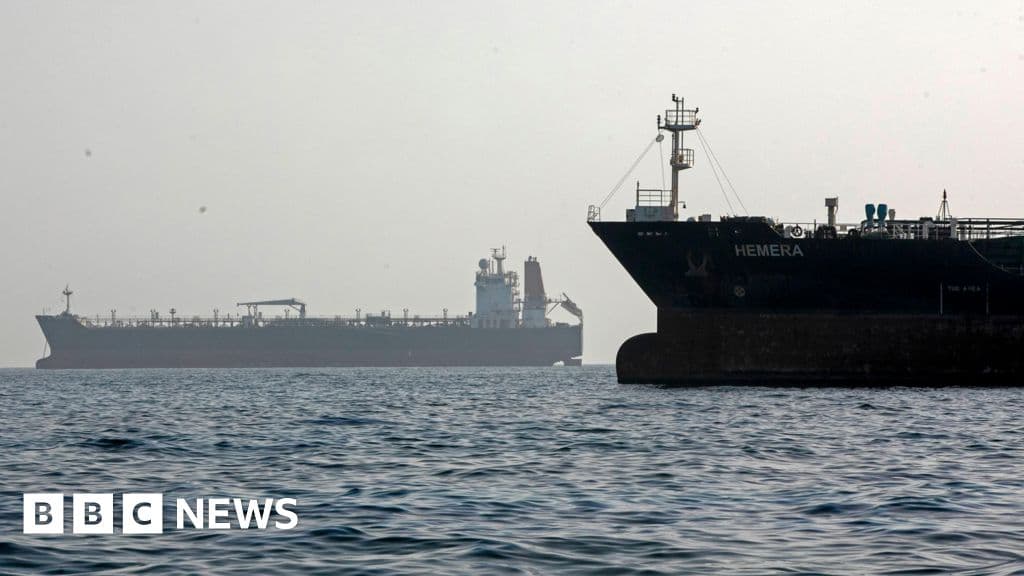
Tensions soar as the US and Iran engage in air strikes near the Strait of Hormuz, raising concerns over global oil supply and regional stability.
BBC World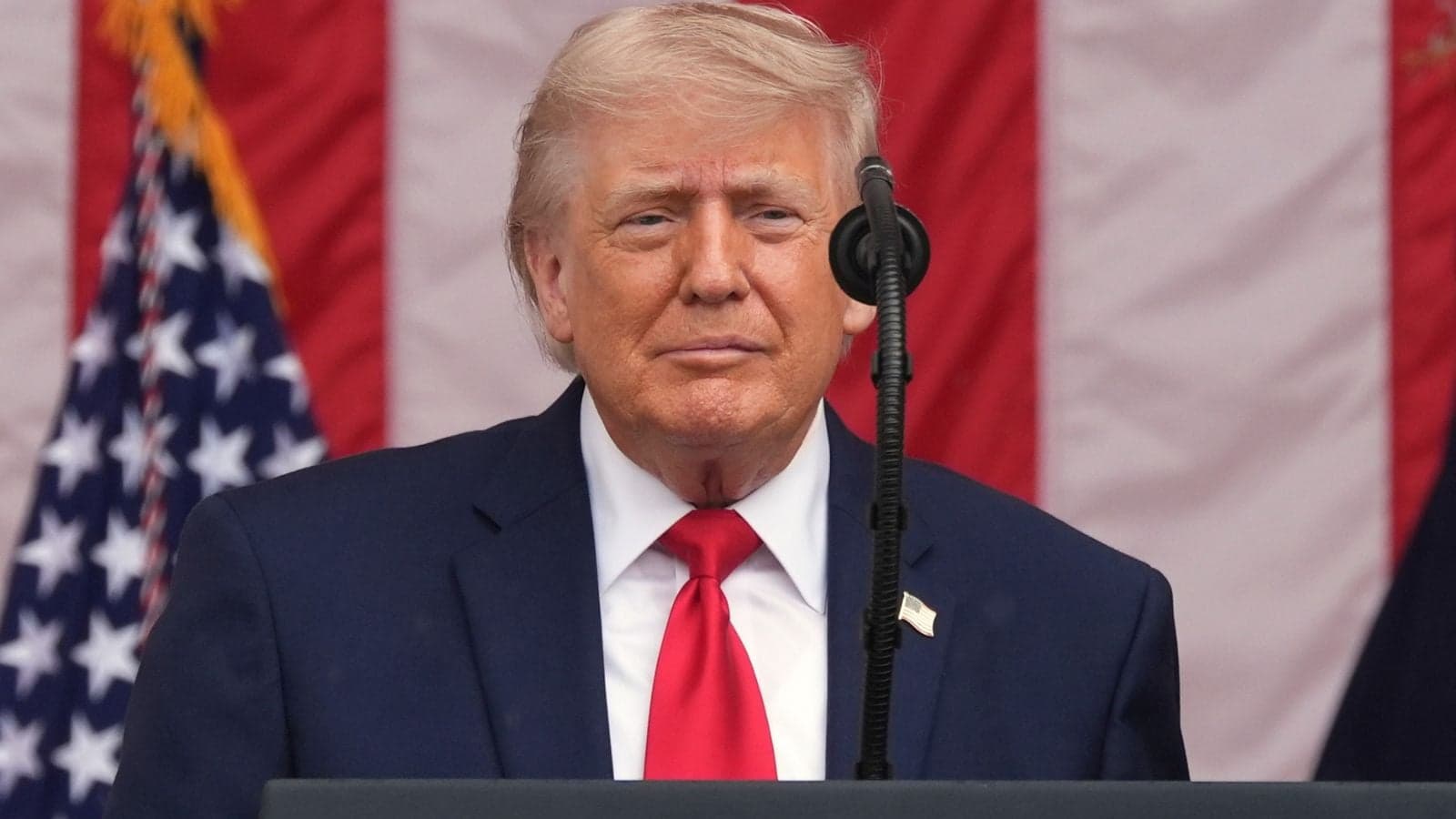
Trump's international interventions face serious stalemates. What will this mean for U.S. foreign policy? Explore the critical challenges ahead.
Indian Express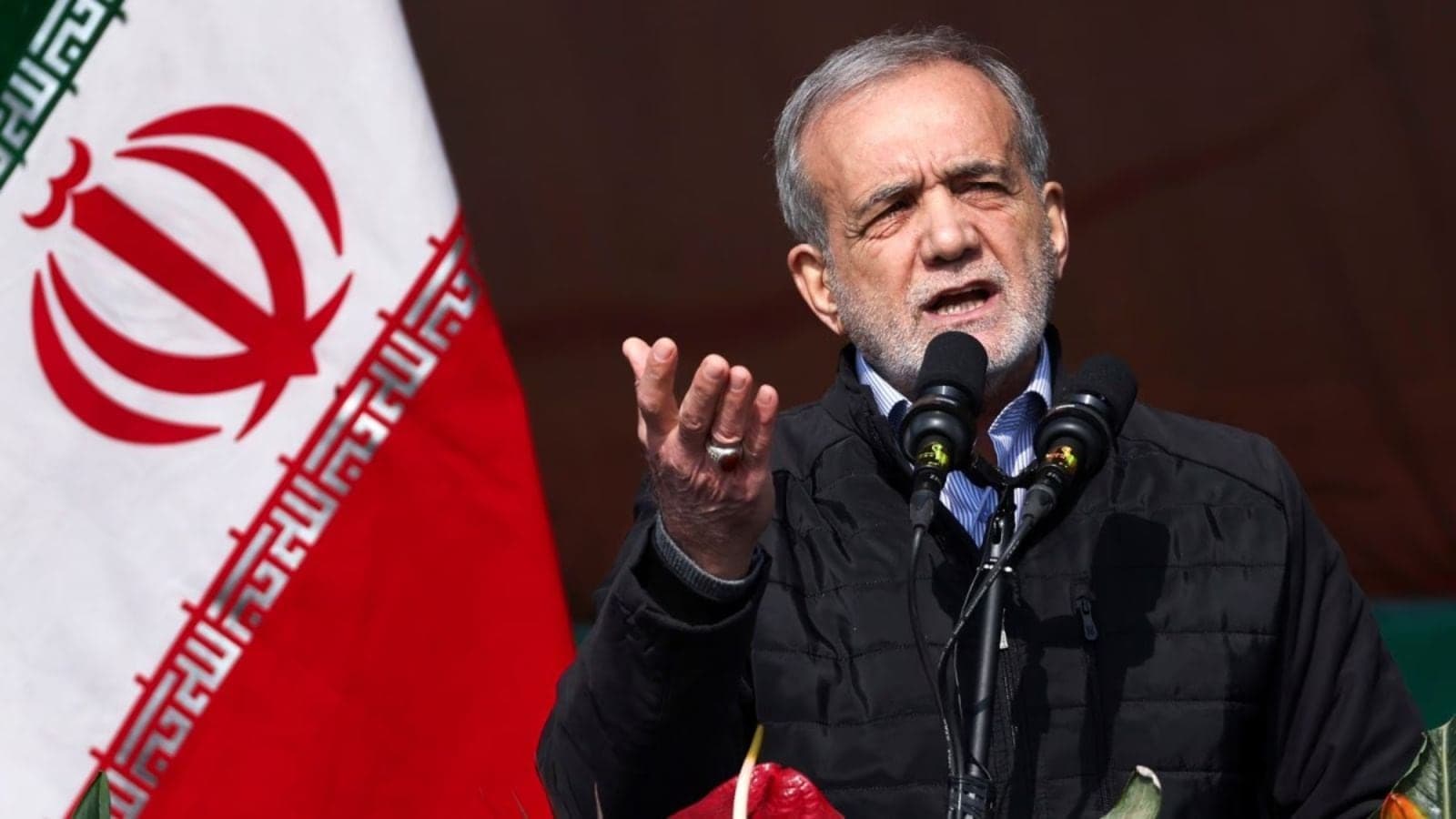
Tehran denies resignation of President Masoud Pezeshkian amid claims of IRGC influence. What does this mean for Iran's political stability? Click to learn more!
Indian Express