
Image: The Hindu
Iran urges a major review of ties with Gulf nations amid U.S.-Israeli conflict, denying responsibility for recent Saudi oil attacks. What’s next?
GlipzoIn a significant statement on March 15, 2026, Iran's ambassador to Saudi Arabia, Alireza Enayati, emphasized the need for a thorough reassessment of Iran's ties with its Arab Gulf neighbors due to the escalating U.S.-Israeli conflict against Iran. This call for a review highlights the intricate relationships within the region and the impact of external powers on local dynamics. Enayati articulated that the past several decades have been marred by an exclusionary approach and an overreliance on foreign entities, urging for stronger collaborations among the Gulf Cooperation Council (GCC) members, Iraq, and Iran itself.
The backdrop to this urgent plea for dialogue is the ongoing war that erupted on February 28, 2026, which has seen over 2,000 missile and drone attacks targeting Gulf nations, including vital infrastructure such as oil facilities, military bases, and diplomatic missions. The United Arab Emirates, having normalized relations with Israel in 2020, has been disproportionately affected by these assaults. However, the ripple effects are felt across all Gulf states, leading to a unified condemnation of Iran's alleged involvement in these attacks.
This situation has instigated growing discontent among Gulf Arab nations regarding the United States, their historical security ally, which they feel has entangled them in a conflict they neither endorsed nor desired. The tensions are particularly palpable in Saudi Arabia, where the eastern region, home to the majority of the kingdom's oil production, has become a focal point for hostilities.
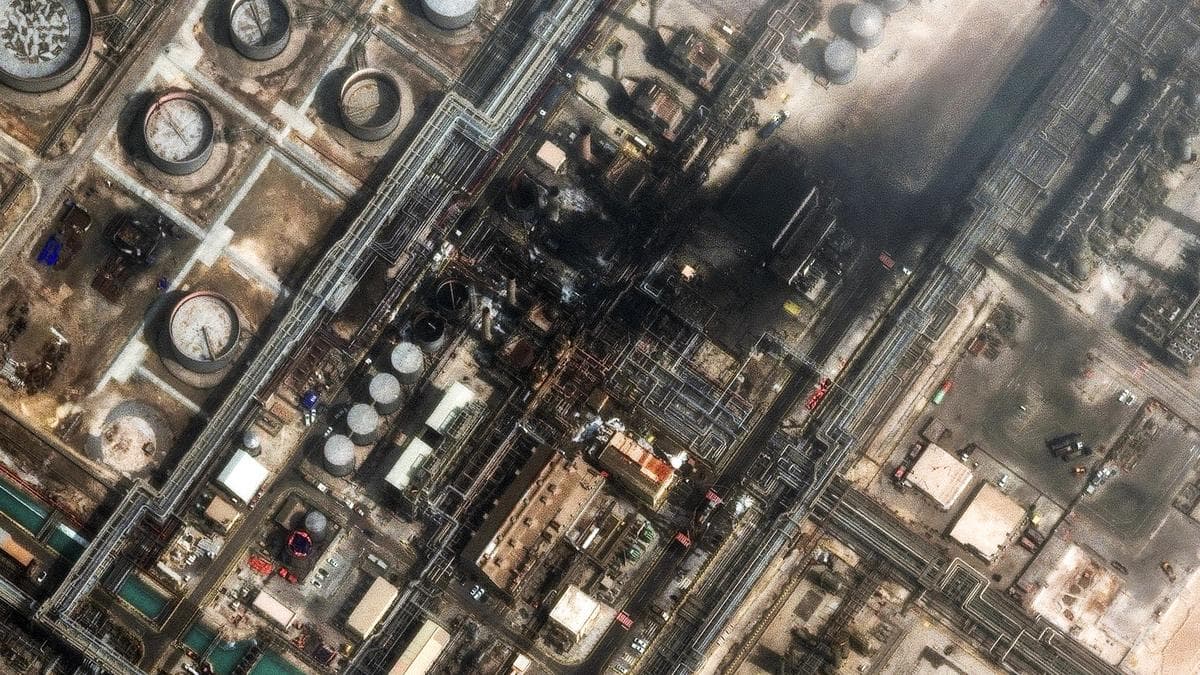
In the wake of these developments, Enayati firmly denied that Iran had any hand in the recent assaults on Saudi oil infrastructure, including the Ras Tanura refinery and various drone strikes targeting the Shaybah oil field. He stated, “Iran is not the party responsible for these attacks, and if Iran had carried them out, it would have announced it.” While he refrained from identifying the actual perpetrators, his remarks signal Iran's intent to distance itself from the escalating violence.
Enayati has maintained an open line of communication with Saudi officials, reflecting a commitment to fostering cooperative relations. He pointed out the collaboration between the two nations regarding the safe return of Iranians participating in religious pilgrimages and the provision of medical assistance to those in need. His assertion that relations are progressing “naturally” in various sectors underscores a potential thawing of long-held animosities.
The Iranian ambassador framed the current conflict as one that has been imposed on the region, advocating for a cessation of U.S. and Israeli military actions. He suggested that for a path toward prosperity to be established, it is essential for regional countries to remain uninvolved in these external confrontations. Enayati posited that international guarantees are crucial to prevent further escalations, paving the way for regional stability.
As the situation unfolds, the future of Gulf relations remains uncertain. The call for a serious review by Iran could signify a pivotal moment for regional diplomacy, particularly if it leads to constructive dialogues among the GCC states, Iraq, and Iran. The potential for increased collaboration may hinge on the ability of regional powers to navigate the complexities introduced by external influences.
Understanding the dynamics of Iran's relations with its Gulf neighbors is critical not only for regional security but also for global energy markets, as stability in this area is paramount for oil supply and pricing. The growing frustration among Gulf states with U.S. policy could signal a shift in alliances and strategies moving forward.
In conclusion, the calls for a serious review of relations between Iran and its Gulf neighbors could mark a turning point in regional diplomacy, one that may ultimately redefine alliances and approaches to conflict in the Middle East.

Tensions soar as the US and Iran engage in air strikes near the Strait of Hormuz, raising concerns over global oil supply and regional stability.
BBC World
Trump's international interventions face serious stalemates. What will this mean for U.S. foreign policy? Explore the critical challenges ahead.
Indian Express
Tehran denies resignation of President Masoud Pezeshkian amid claims of IRGC influence. What does this mean for Iran's political stability? Click to learn more!
Indian Express