
Image: Indian Express
Day 8 of the manhunt for militants in Rajouri and Poonch sees security forces intensifying efforts with drones and helicopters. What’s next?
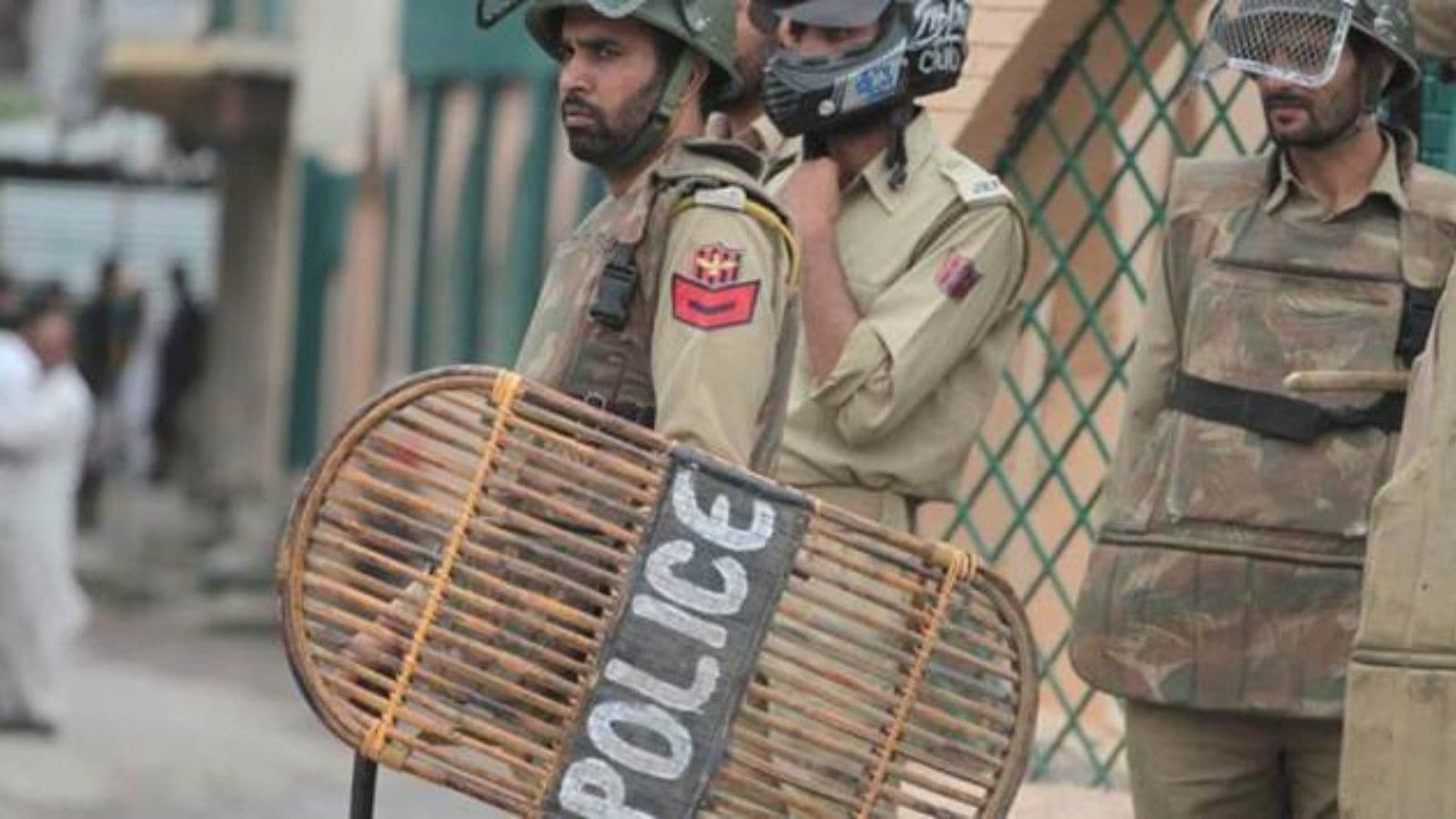
GlipzoA significant manhunt for militants is now in its eighth day in the dense forests of Rajouri and Poonch, following the launch of a comprehensive search operation dubbed Operation Sheruwali. Initiated on May 22, this extensive campaign has seen Army, police, and paramilitary forces deploying a range of resources, including drones, helicopters, and sniffer dogs, to locate and neutralize the suspected militants.
The operation began in the Ghambir Mughalan forests of Rajouri based on credible intelligence reports regarding militant presence. As the search intensified, the focus has expanded to include areas in Surankote, Poonch. Despite the challenging terrain and the unfavorable weather conditions, security personnel remain committed to tracking the elusive group.
Last Saturday marked a significant moment in the operation when security forces had a brief contact with the militants. However, the suspects managed to evade capture and retreated deeper into the forest. An official noted, “The last time troops had contact with militants was last Saturday, but they managed to escape deeper inside the forests after a brief exchange of fire.” This highlights the militants' tactical proficiency in jungle warfare, as they are believed to be altering their positions regularly to avoid confrontation with search teams.
Reports indicate a small contingent of 2-5 militants has been active in the region, particularly along the Rajouri-BG-Surankote road (National Highway 144-A) and the Rajouri-Thanamandi-DKG-Buffliaz road. They are thought to have relocated to lower elevations of the Pir Panjal range, likely due to the intensified counter-insurgency efforts by the Romeo Force in nearby forests.
The forests connecting Rajouri and Poonch have a history of violent incidents involving militants. In recent months, two major attacks resulted in the deaths of 10 security personnel. The first occurred on April 20, when militants ambushed an Army truck, killing five soldiers. Following this, a large-scale combing operation led to the deaths of five elite Army para-commandos in the Kesari Hill area during a search operation.
The strategic significance of these forests cannot be overstated. Their dense cover provides an ideal environment for militants to hide and maneuver. Officials believe that when security operations are launched in one district, militants can easily slip into another, including the Kashmir Valley, due to the continuity of the forested areas.
As the search continues, security forces remain on high alert. Recently, search teams discovered bloodstains in the forest, suggesting that one of the militants may have been injured during the last encounter. Additionally, heavy gunfire and multiple grenade explosions were reported, creating vast plumes of smoke visible from a distance. However, a senior Army officer clarified that these incidents were part of the search efforts to prevent potential ambushes rather than direct clashes with militants.
The ongoing operation emphasizes the challenges faced by the security forces in tackling insurgency in this region. With a history of violent skirmishes and the possibility of militants regrouping, the situation remains critical.
The implications of this operation extend beyond immediate security concerns. The presence of militants in the Rajouri-Poonch forests poses a significant threat to regional stability. The ability of these groups to evade capture not only undermines law enforcement efforts but also raises questions about their support networks and resources.
Furthermore, the situation is a stark reminder of the ongoing conflict in Jammu and Kashmir, an area that has seen decades of strife. As military operations intensify, the potential for civilian impact increases, making it crucial for authorities to balance security needs with humanitarian considerations.
As the manhunt continues, several key factors will influence the outcome: - Tactical Adjustments: The militants' ability to adapt their strategies in response to security operations will be critical. Observing their movement patterns could provide insights into their next steps. - Community Involvement: Engaging local communities in intelligence sharing could be vital in locating the militants and mitigating threats. - Security Strategies: Continuous evaluation and adaptation of security strategies will be essential in the changing dynamics of the forested areas.
The next few days will be pivotal as security forces maintain pressure on the suspects while seeking to prevent further violence. The situation remains fluid, and all eyes will be on the developments in the Rajouri and Poonch regions. As the operation progresses, citizens and security experts alike will be monitoring the effectiveness of these efforts and their broader implications for peace in the region.

Tensions soar as the US and Iran engage in air strikes near the Strait of Hormuz, raising concerns over global oil supply and regional stability.
BBC World
Trump's international interventions face serious stalemates. What will this mean for U.S. foreign policy? Explore the critical challenges ahead.
Indian Express
Tehran denies resignation of President Masoud Pezeshkian amid claims of IRGC influence. What does this mean for Iran's political stability? Click to learn more!
Indian Express