
Image: Mint (Business)
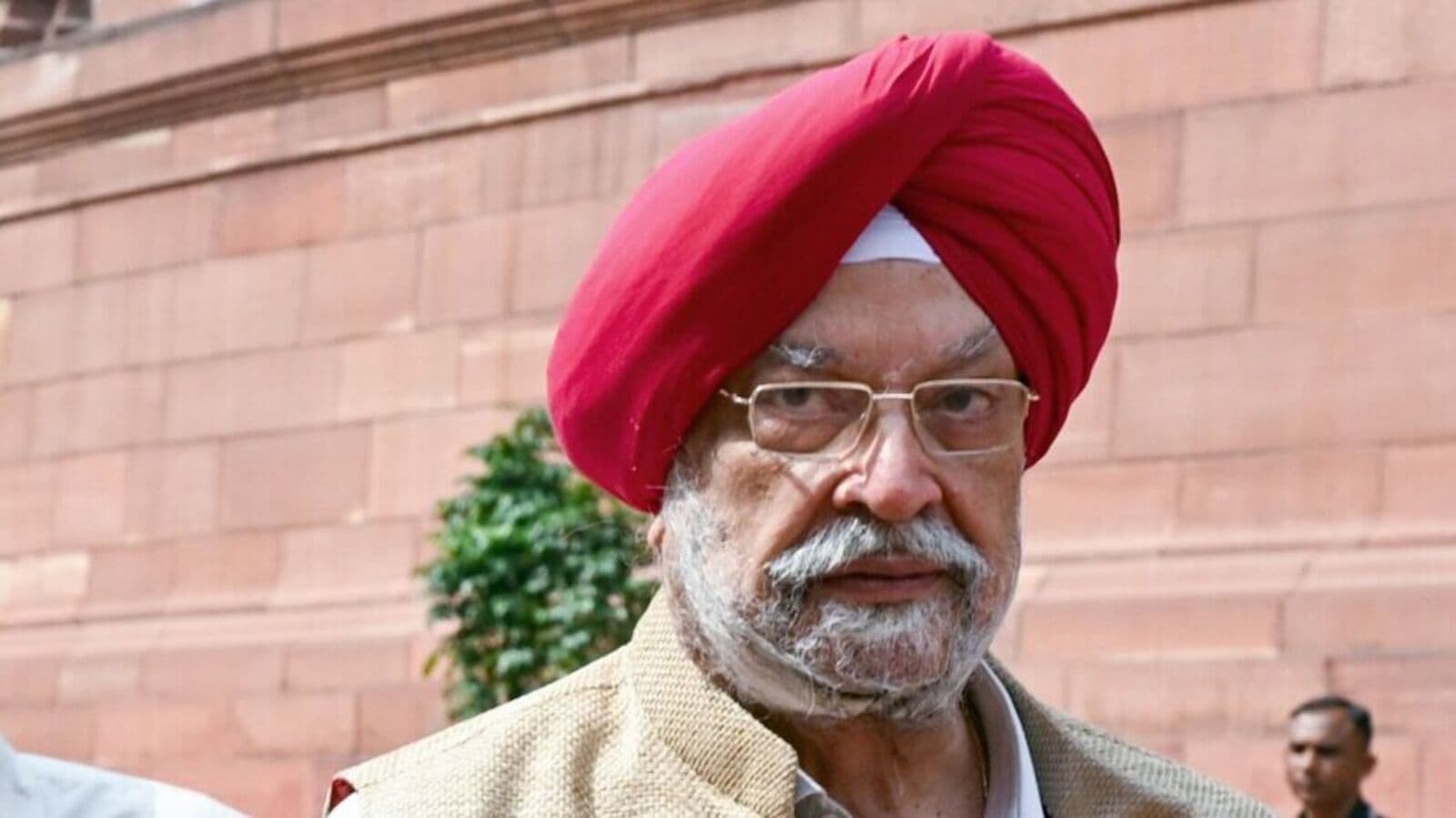
Union Minister Hardeep Puri debunks lockdown rumors in India amid West Asia conflict, urging calm and highlighting government preparedness for supply chain issues.
GlipzoIn an age of misinformation, Union Minister Hardeep Puri emphatically dismissed rumors circulating about a potential lockdown in India on March 27. These unfounded claims were seemingly fueled by the ongoing conflict in West Asia, which has raised concerns about energy supply disruptions and general unrest. Puri's statements serve as a critical reminder of the importance of responsible communication during times of crisis.
"Let me state this clearly, there is no such proposal under consideration by the Government of India," Puri asserted. This declaration comes in light of rising speculation, particularly on social media, regarding a lockdown reminiscent of the COVID-19 pandemic. The Minister emphasized the need for citizens to remain calm and to reject the fear-mongering that often accompanies global tensions.
The rumors gained traction following Prime Minister Narendra Modi's remarks about the challenges posed by global supply chain disruptions, specifically referencing past experiences during the pandemic. While he did not mention a lockdown, the timing of his comments led some to speculate about the possibility of renewed restrictions. Notably, Sanjay Raut, a leader from Shiv Sena (UBT), suggested that the government might consider a lockdown to conserve fuel amid rising global prices sparked by the conflict.
Hardeep Puri highlighted the government's commitment to monitoring the situation closely, stating, "The global situation remains in flux, and we are closely monitoring developments across energy, supply chains, and essential commodities in real time." This proactive stance aims to reassure citizens that the government is prepared to manage any implications arising from the conflict in West Asia.
Puri reassured the public that under the leadership of Prime Minister Narendra Modi, all necessary measures are in place to ensure the continuous availability of essential supplies, including fuel and energy. He expressed confidence in India's resilience amidst these global uncertainties, stating, "We will continue to act in a timely, proactive, and coordinated manner."
In a related development, Prime Minister Modi is set to engage with chief ministers from various states and Union Territories on the same day to discuss preparedness and strategies in light of the ongoing war. This virtual meeting, scheduled for 6:30 PM, aims to evaluate potential impacts on India's LPG and oil supplies, ensuring a unified response from state leadership.
The backdrop of this situation is critical. The conflict in West Asia has intensified since February 28, when military actions led by the US and Israel targeted Iran, resulting in significant geopolitical ramifications. The subsequent retaliation by Iran, which included attacks on neighboring Gulf nations and Israeli assets, has further complicated the regional landscape.
This ongoing turmoil is not just a regional issue; it has profound implications for global trade and energy markets. The Strait of Hormuz, a vital maritime corridor through which a large portion of the world's oil supply passes, has faced disruptions, raising alarms about the potential for increased fuel prices and supply shortages.
As the conflict enters its fourth week, the situation remains precarious. Reports of panic buying at fuel stations have emerged, although the Ministry of Petroleum and Natural Gas has assured that all retail outlets are functioning normally. Puri's comments are crucial in quelling fears and dispelling misinformation that could lead to unnecessary chaos.
The government’s efforts to maintain stability in essential services and supplies are commendable, yet the situation requires ongoing vigilance. With the Prime Minister's meeting with state leaders, there is an opportunity for India to demonstrate its capacity to manage crises effectively and reassure its citizens during uncertain times.
In the coming days, it will be essential to observe how the government navigates the evolving geopolitical landscape. Key points to watch include: - Updates from the Prime Minister's meeting: Insights into government strategies will shed light on how India plans to tackle potential supply chain disruptions. - Global oil prices: Fluctuations in oil prices could impact domestic fuel costs, making it crucial for the government to respond proactively. - Public sentiment: The government's ability to manage communications effectively will be tested as misinformation continues to spread.
In summary, while rumors of a lockdown are unfounded, the situation necessitates cautious optimism and preparedness as India faces the challenges posed by the conflict in West Asia. The response from the government will be pivotal in ensuring stability and maintaining public trust.
The clarity provided by Hardeep Puri highlights the need for accurate information dissemination in times of crisis. As global tensions rise, it is vital for governments to communicate effectively to prevent panic and ensure public safety. This situation underscores the interconnectedness of global events and their direct impact on domestic policies and public welfare.

Tensions soar as the US and Iran engage in air strikes near the Strait of Hormuz, raising concerns over global oil supply and regional stability.
BBC World
Trump's international interventions face serious stalemates. What will this mean for U.S. foreign policy? Explore the critical challenges ahead.
Indian Express
Tehran denies resignation of President Masoud Pezeshkian amid claims of IRGC influence. What does this mean for Iran's political stability? Click to learn more!
Indian Express