
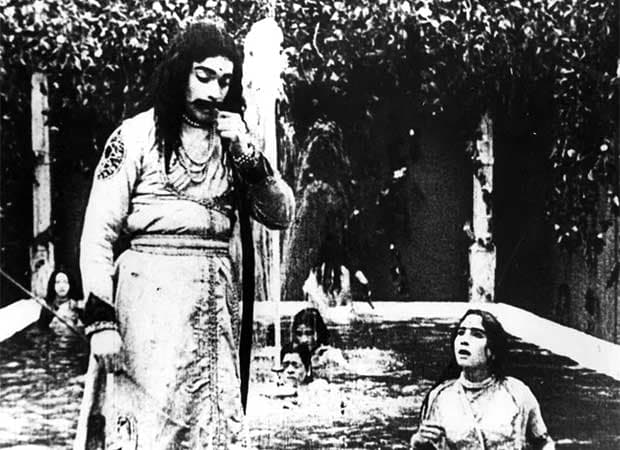
Image: Bollywood Hungama
Discover how Dadasaheb Phalke revolutionized film marketing in India on the 113th anniversary of Indian cinema, beginning with Raja Harishchandra.
GlipzoIndian cinema has become a cornerstone of the nation’s cultural identity, captivating audiences for over 113 years. The journey began with the release of Raja Harishchandra on May 3, 1913, directed by the visionary Dhundiraj Govind Phalke, famously known as Dadasaheb Phalke. This groundbreaking film, which was silent, marked the inception of an industry that now employs millions of artists and technicians across various domains.
Phalke’s inspiration came from a British film he viewed at the America India Picture Palace in Mumbai. The film, The Life of Christ (released in 1910), sparked his ambition to create an Indian film based on Lord Krishna. This was not his first cinematic encounter, but it ignited a passion that would lead to the birth of Indian feature films.
Before stepping into the world of cinema, Phalke dabbled in numerous professions, from co-owning a printing press to working for the Government of India’s Archaeological Department. His passion for filmmaking, however, was met with a common hurdle faced by many independent filmmakers today: securing finances. In a time when cinema was an unfamiliar medium, potential investors were skeptical.
Only after witnessing Phalke's short film, The Growth of a Pea Plant, did his friend Yeshwant Nadkarni agree to support his innovative vision. This short film, which depicted the growth of a plant shot over 45 days, was shown at an electrical shop in Kalbadevi, convincing Nadkarni to invest in Phalke’s ambitious project.
To hone his filmmaking skills, Phalke traveled to London, where he connected with cinema publishers and learned the craft from noted producer Cecil Hepworth. Upon returning to India, he faced additional challenges, including societal stigma that deterred many actors from participating in films. Eventually, he recruited theatre artists to fulfill the casting needs, overcoming the gender barriers of the time by using male actors to portray female roles.
Phalke’s son, Bhalchandra, played one of the characters, while the lead role of Harishchandra was portrayed by DD Dabke. Despite these hurdles, Raja Harishchandra was completed and previewed for the elite in Mumbai on April 21, 1913, at the Olympia Cinema. The film premiered for public viewing at Coronation Cinema on its official release date.
Upon its release, Raja Harishchandra did not receive the enthusiastic response Phalke had hoped for. The audience turnout was disappointing, as many people were reluctant to accept that an Indian filmmaker had produced a feature film. Furthermore, the ticket price of two annas for a 40-minute film was perceived as exorbitant by potential viewers.
Recognizing the need for effective promotion, Phalke innovatively introduced film marketing strategies. He understood that, without public awareness and interest, his groundbreaking work would fade into obscurity.
Phalke's marketing efforts were pioneering for Indian cinema. He began by organizing press screenings, a concept that was virtually unheard of in India at the time. By inviting journalists and influential figures to preview the film, he aimed to generate buzz and credibility around his work. These screenings helped to validate the film in the eyes of the public and the press, fostering a sense of legitimacy for Indian cinema.
Phalke's approach included: - Engaging with the press: He built relationships with journalists to ensure coverage of his work. - Creating buzz: By showcasing his film to selected audiences before the public premiere, he aimed to stir interest and discussions. - Educating the audience: He sought to enlighten potential viewers about the art of filmmaking and the stories being told through cinema.
Phalke's efforts laid the groundwork for the vibrant and diverse film industry we see in India today. His innovations in marketing and promotion were crucial in establishing the legitimacy of Indian films, encouraging future filmmakers to pursue their visions without fear of societal stigma. The evolution of Indian cinema has been marked by an incredible array of genres, styles, and narratives, reflecting the rich tapestry of Indian culture.
As we commemorate the 113th anniversary of Indian cinema, it is essential to recognize the monumental impact of Dadasaheb Phalke. His legacy as the ‘Father of Indian Cinema’ is not just about creating films; it’s also about the marketing strategies that helped shape an entire industry.
Looking ahead, the Indian film industry continues to thrive and evolve, with technological advancements and changing audience preferences shaping its future. Emerging filmmakers are now exploring diverse narratives and formats, and the industry is witnessing a significant rise in global collaborations.
As Indian cinema progresses, it will be interesting to observe how new marketing techniques and digital platforms transform the way films are promoted and consumed. The foundation laid by Phalke has equipped future generations to navigate these changes while honoring the rich history of storytelling through film.
In conclusion, the journey of Indian cinema, marked by Dadasaheb Phalke's pioneering spirit, is a testament to the power of creativity and resilience. As we celebrate over a century of cinematic art, we look forward to what the future holds for this vibrant industry.
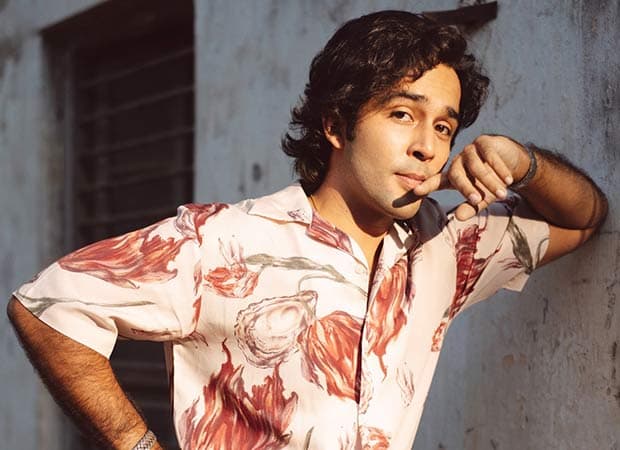
Zahan Kapoor reveals an unconventional role in his upcoming film, signaling a significant shift from his breakout success in Black Warrant. What’s next for this rising star?
Bollywood Hungama
Discover how Vishal Jethwa is transforming his physique for Shakti Shalini, emphasizing the mental discipline behind peak fitness.
Bollywood Hungama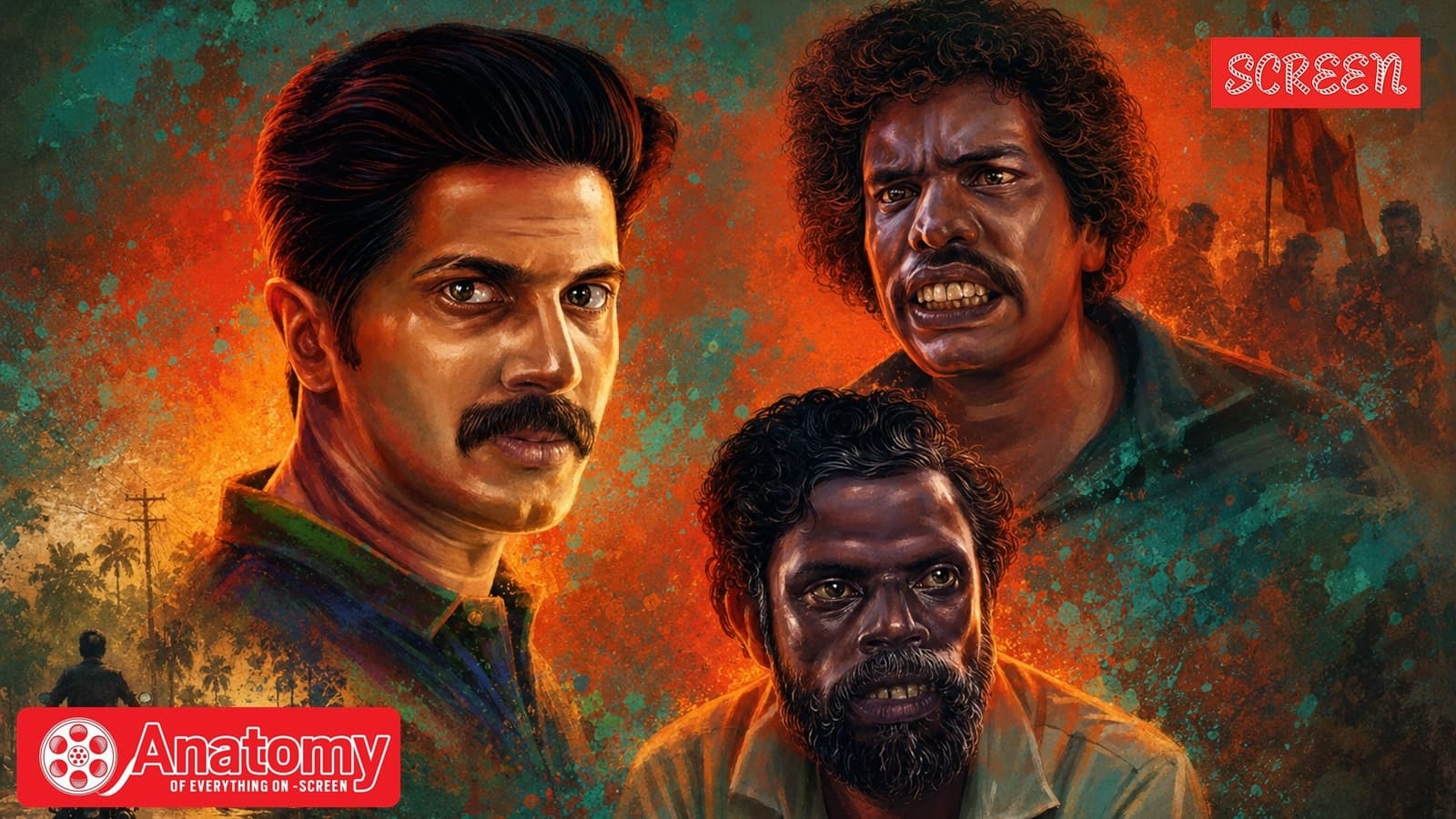
Discover the dark truths of urban development in Kammatipaadam, a film that reveals the often-overlooked sacrifices behind city growth.
Indian Express