
Image: BBC World
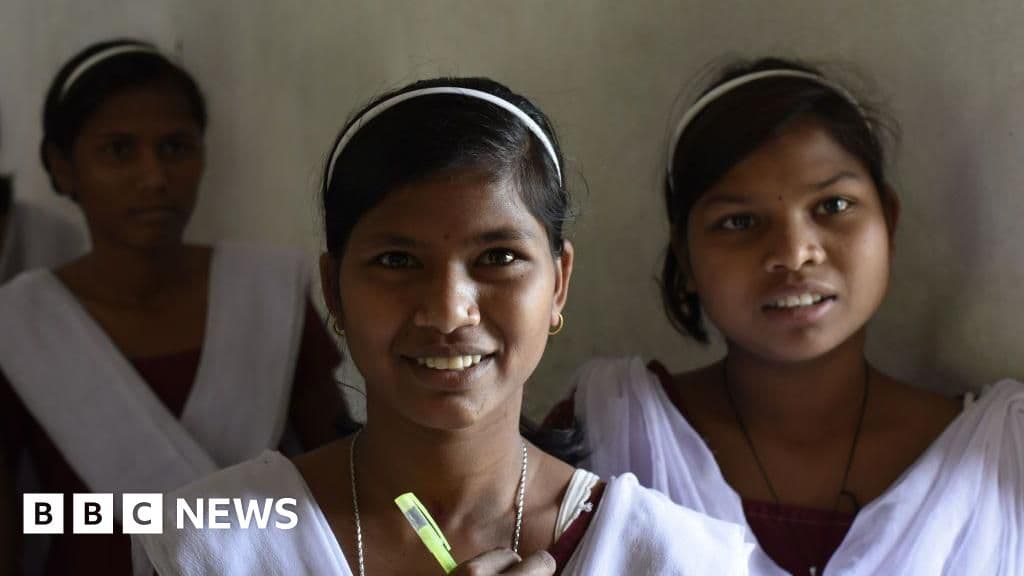
India begins its historic census, counting over 1.4 billion people with a digital approach. Discover how this impacts policy and representation.
GlipzoIndia is embarking on an unprecedented journey to count its population, with the world's largest census starting on Wednesday. This monumental task, which hasn't been undertaken in over 15 years, aims to gather comprehensive data on more than 1.4 billion citizens, further solidifying India's position as the most populous nation on the planet, surpassing China in 2023 according to the United Nations Population Fund.
During this extensive counting process, citizens will answer 33 critical questions ranging from housing conditions to marital status and internet access. This 16th census marks the eighth count since India gained independence in 1947 and is essential for shaping future policies, welfare programs, and political representation.
With a median age of just 28 years, a significant portion of India's population falls within the working age, with nearly 70% of individuals contributing to the economy. The previous census, conducted in 2011, was delayed due to the pandemic and other administrative challenges, making this census particularly vital for addressing current socio-economic needs.
The census will be executed in two main phases, covering 36 states and union territories, over 7,000 sub-districts, 9,700 towns, and 640,000 villages. More than three million enumerators—including schoolteachers, local government officials, and community workers—will be actively involved in this ambitious project.
For the first time in India’s history, the census will be conducted digitally. Enumerators will use mobile applications to collect and upload data, enhancing efficiency and accuracy. Additionally, a 16-language portal will allow residents to self-enumerate, generating unique IDs for verification by census officials.
The census will unfold in two distinct phases: - House Listing and Housing Census: This initial phase will gather data on housing conditions, amenities, and household assets. It is set to take place from April 16 to May 15 following a self-enumeration period from April 1 to April 15 in select regions, including Delhi, Goa, Karnataka, Mizoram, and Odisha. - Population Enumeration: Scheduled for February 2027, this phase will focus on collecting detailed demographic data, including education levels, migration patterns, and fertility rates. A politically sensitive aspect of this phase is the inclusion of caste enumeration, a topic that has spurred significant debate within India.
The origins of the Indian census date back to 1872, when it began as a basic headcount under colonial rule. The first comprehensive nationwide census in 1881 introduced a framework that included identity markers such as name, gender, marital status, along with social identifiers like caste and religion. Over the decades, the census evolved to reflect changing societal needs, incorporating questions about economic behavior, migration, and fertility trends.
By the 1941 census, the questionnaire began to shift focus, asking not only about identity but also about living conditions and economic activity. This evolution continued post-independence, with subsequent censuses including crucial data on nationality, displacement, and land ownership.
The data collected through this census will play a pivotal role in informing government policies and social programs, impacting millions of citizens across India. Understanding demographic changes will help address issues related to resource allocation, healthcare, education, and employment.
Additionally, the inclusion of caste data could have significant political ramifications, influencing representation and resource distribution among various communities. As India navigates its demographic transition, this census will provide the necessary insights to guide future development strategies.
As the census progresses, stakeholders will be keenly watching how the data shapes policy and social programs in India. The outcomes of the 2027 Population Enumeration phase will be particularly significant, as they will provide a clearer picture of India’s demographic landscape and inform future governance.
In conclusion, India's ambitious census is not merely a count of its people but a vital tool for understanding the country's socio-economic fabric. With the world's largest population, the implications of this census extend far beyond mere numbers, shaping the very future of India's development and governance.
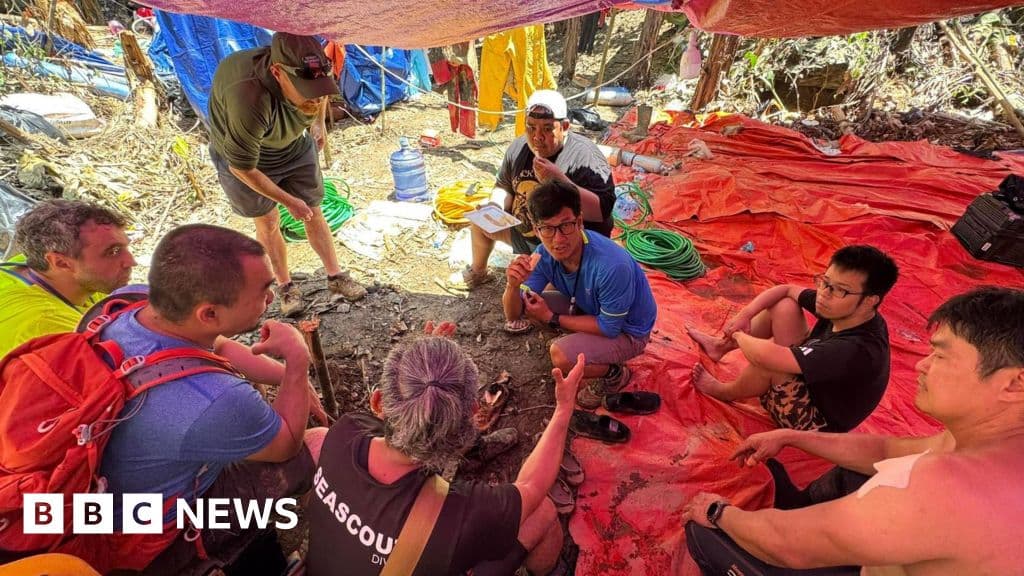
Survivors of the Laos cave rescue are aiding efforts to find the last two missing men trapped inside, sharing crucial insights for the search operation.
BBC World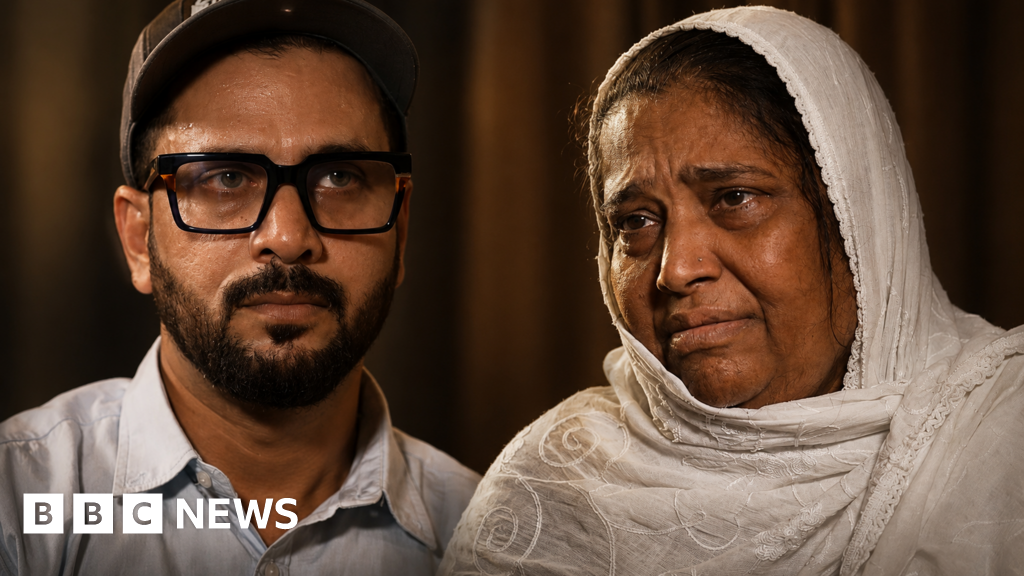
A year after the tragic Air India crash, the Ali family reflects on grief, unanswered questions, and the enduring bonds of love in the face of loss.
BBC Business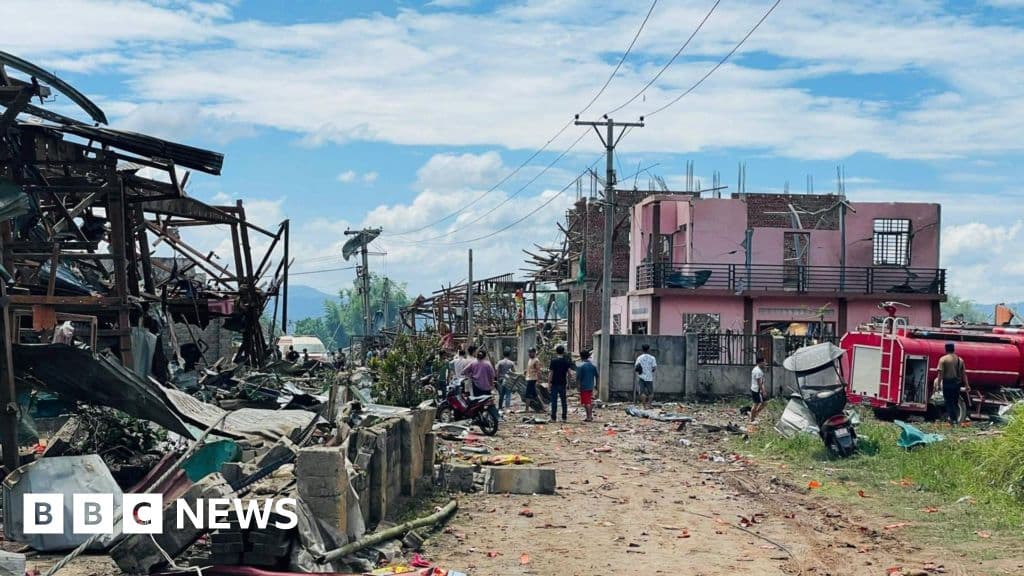
A devastating explosion in Myanmar's Kaung Tat village has killed at least 55 people, raising serious safety concerns and questions about civilian protection in conflict zones.
BBC World