

Image: The Hindu
India achieves an unprecedented third T20 World Cup victory, led by Gautam Gambhir's fearless strategy. Discover what this means for the future of cricket.
GlipzoOn March 18, 2026, India achieved a monumental feat by winning the T20 World Cup for the third time in history. The victory was sealed when Tilak Varma caught the final ball, sending the team and fans into a frenzy of celebration. Head coach Gautam Gambhir and star player Suryakumar Yadav, proudly holding the trophy, faced the media shortly after the match, despite the late hour. The atmosphere among the media was unusually jubilant, reflecting the excitement of a remarkable campaign that saw India overcoming a minor setback against South Africa.
Gambhir, known for his candid and sometimes grumpy demeanor at press conferences, was in high spirits. This victory is particularly significant for him, as it serves as a validation of his coaching strategies and philosophies. Prior to the tournament, Gambhir had faced substantial pressure due to two significant home series losses in Tests, a situation that had not occurred for over a decade. This World Cup triumph alleviates some of that burden, shining a light on his ability to lead the team successfully.
In his post-match comments, Gambhir emphasized the importance of playing fearlessly in T20 cricket. “The most important thing in this format was that we didn’t want to be afraid of losing, because if you are afraid of losing, you never win,” he asserted. His approach prioritizes aggressive batting and a mindset geared towards high scores, stating, “I would have been happier if we had been out at 110-120. But our target was always to make 250 runs.” This philosophy marks a significant shift from traditional strategies that often aimed for safer targets of around 160-180 runs.
Gambhir's focus on high-risk strategies resonated throughout the tournament, highlighting how the team has evolved. While he credited the captain's ideology for this change, it’s important to note that this transformation began well before his tenure. The groundwork for India’s T20 success was laid back in 2007, when the team unexpectedly clinched the inaugural T20 World Cup under the captaincy of Mahendra Singh Dhoni.
The journey to India’s T20 success started with the 2007 World Cup in South Africa, where the team entered the tournament with minimal expectations and a roster missing several key players. Notably absent were legends like Rahul Dravid, Sachin Tendulkar, and Sourav Ganguly. Dhoni, a relatively new captain at the time, led a team filled with promising talents like Virender Sehwag and Yuvraj Singh. Against the odds, they played an exhilarating brand of cricket, ultimately defeating Pakistan in the final, which marked a turning point in Indian cricket.
The significance of this early victory cannot be overstated. It showcased India’s potential to thrive under pressure and set a precedent for future T20 tournaments. The excitement generated by the win led to the birth of the Indian Premier League (IPL), a tournament that elevated T20 cricket’s profile globally.
Gambhir’s current success builds on that historic legacy. Following this latest win, the Indian cricket team has not only solidified its dominance in T20 cricket but has also revitalized its image after recent struggles. The shift towards a more aggressive playing style is indicative of a broader trend in international cricket where teams prioritize entertainment and high-scoring matches.
As India celebrates this third World Cup title, several questions arise about the future of the team and its approach to the game. Will Gambhir’s high-risk philosophy continue to guide the team? Can India defend its title in future tournaments? What further changes might be made to sustain success in the evolving landscape of T20 cricket?
Looking forward, the Indian cricket team’s victory in the T20 World Cup represents more than just a title; it symbolizes a renewed confidence and a commitment to innovative gameplay. With Gambhir at the helm, fans can expect a continuation of this bold strategy as they prepare for upcoming international challenges.
This victory not only enhances India’s T20 legacy but also sets high expectations for future performances. As the team revels in its success, the cricketing world will undoubtedly be watching closely to see how India capitalizes on this momentum.
Why It Matters: India’s triumph in the T20 World Cup reinforces the importance of evolving strategies in sports. It highlights how embracing risk can lead to extraordinary successes, inspiring teams across all sports disciplines to adopt a more dynamic approach.
Highlights: - India secures a historic third T20 World Cup title. - Gautam Gambhir emphasizes a fearless playing philosophy. - The team’s success continues a legacy that began in 2007. - High-risk strategies mark a shift in Indian cricket’s approach. - Future tournaments will test the viability of this aggressive gameplay.
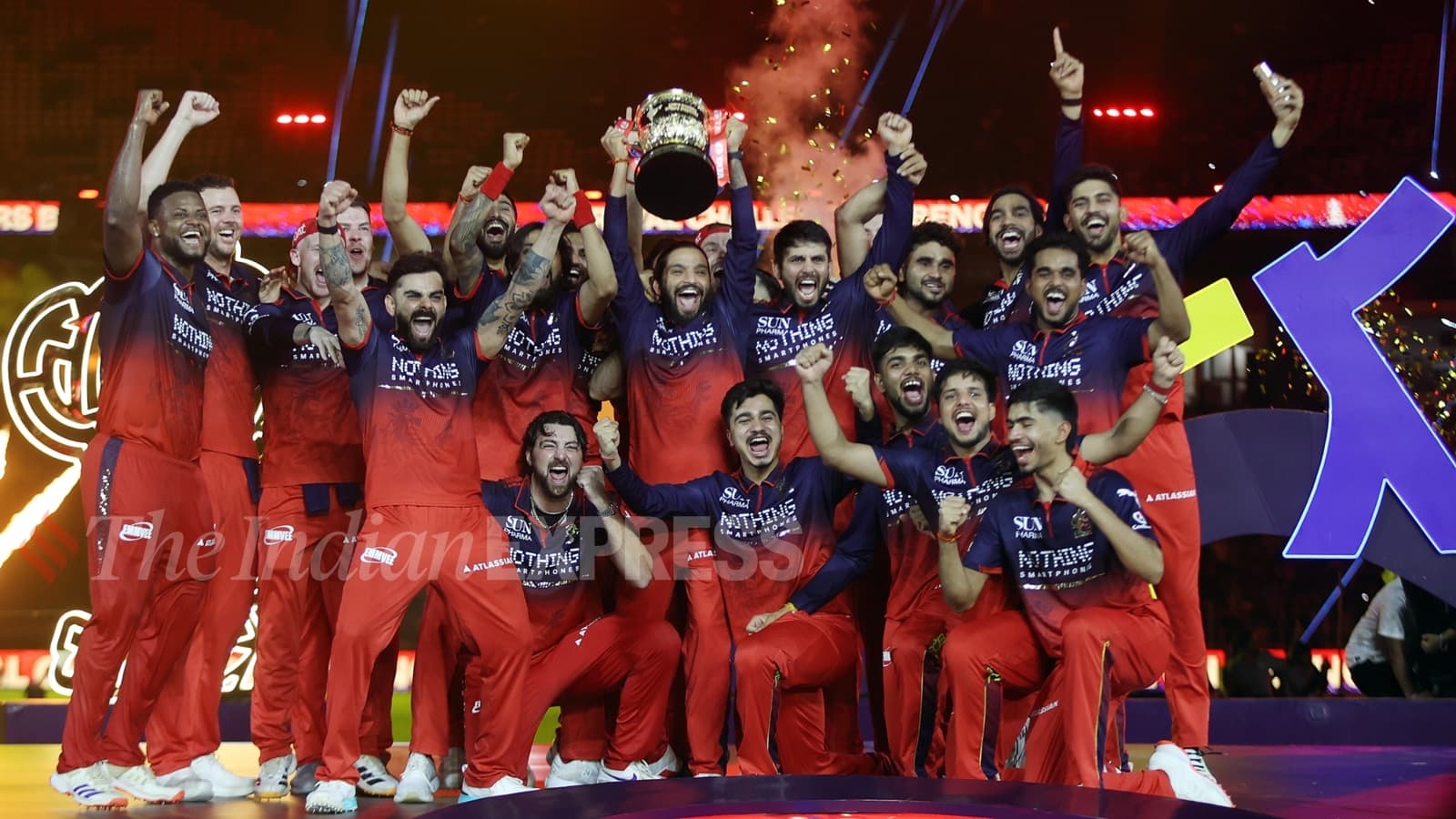
Rajat Patidar leads RCB to back-to-back IPL titles! Discover his leadership insights and goals for a historic third title in the upcoming season.
Indian Express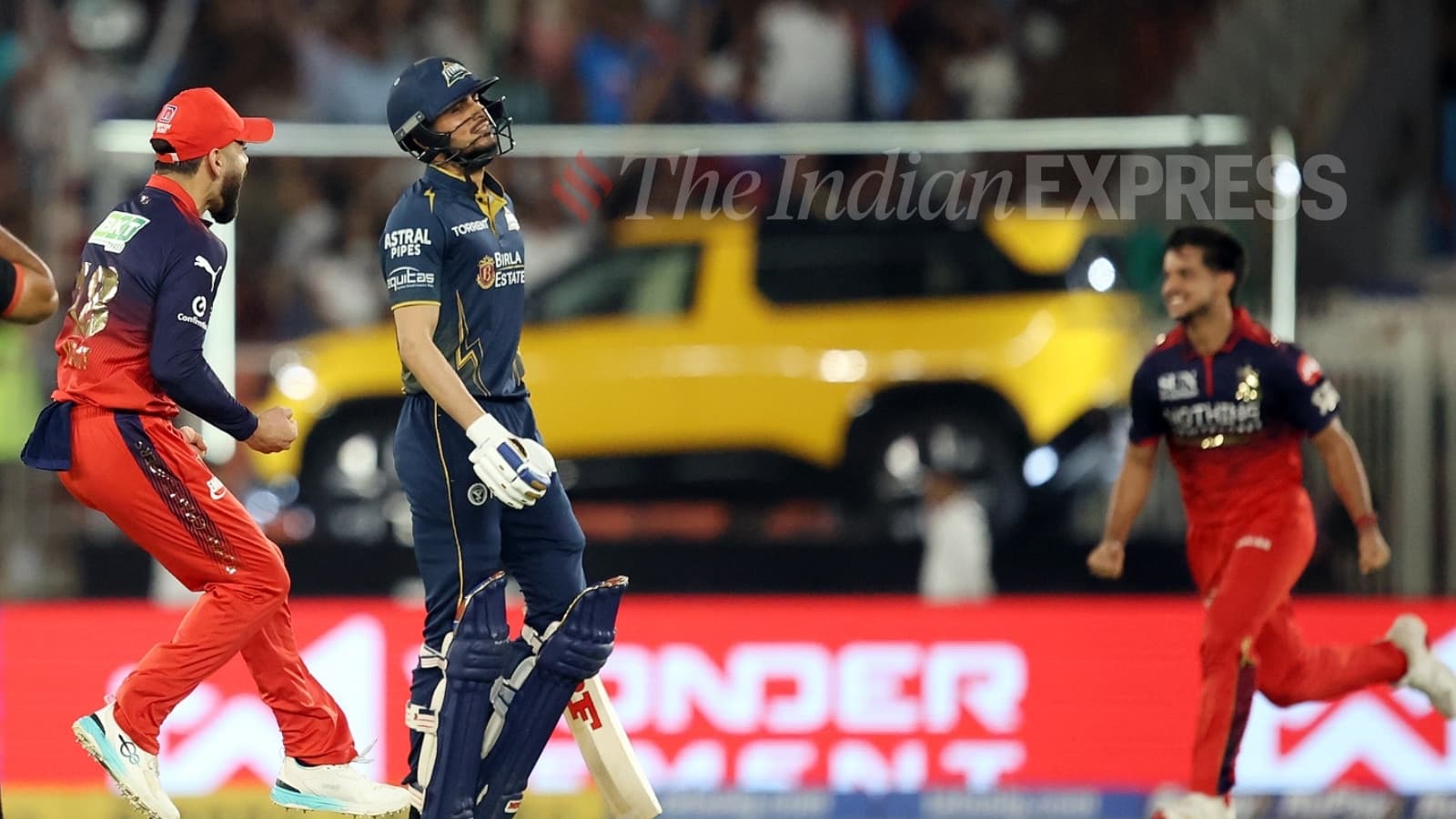
Gujarat Titans' Vikram Solanki reflects on their IPL 2026 final loss, acknowledging shortcomings and praising RCB's performance. What’s next for GT?
Indian Express
Virat Kohli and Anushka Sharma celebrate RCB's IPL 2026 victory with joy and emotion. Discover the highlights of this unforgettable night!
Indian Express