

Image: Times of India
ICC Chairman Jay Shah asserts that no team surpasses the organization, emphasizing governance and integrity in cricket's evolving landscape.
GlipzoIn a powerful address that has reverberated across the global sports community, ICC Chairman Jay Shah emphasized the paramount importance of organizational integrity over individual teams. Speaking at a recent conference, Shah articulated that while teams play a vital role in the game, no single entity is larger than the organization itself. This statement comes at a crucial time as cricket faces numerous challenges related to governance, team dynamics, and global expansion.
Addressing stakeholders, players, and fans, Shah highlighted the necessity for a unified approach to cricket governance. He stated, "No team is bigger than the organisation," underscoring that the International Cricket Council (ICC) must maintain authority and control to foster the sport's growth and integrity. This assertion is significant, especially in light of recent controversies surrounding various national teams and their management practices.
Shah's remarks resonate with the ongoing discussions about how cricketing bodies navigate the complexities of team management while ensuring adherence to organizational principles. By prioritizing the ICC's overarching values, Shah aims to instill a culture of compliance and respect within the sport.
With cricket rapidly evolving, the need for a robust governance structure has never been more critical. The ICC is faced with numerous challenges, including: - Player conduct: Issues surrounding player behavior and discipline are increasingly coming under scrutiny. - Financial Transparency: Questions regarding financial dealings within teams and their respective boards. - Global Expansion: The ICC's push to include more nations in the cricketing arena demands a solid framework to support this growth.
Jay Shah's clarion call serves as a reminder to all stakeholders that a strong governing body is essential for the sport's integrity and future. His leadership style is increasingly being viewed as a blueprint for maintaining order and fostering a spirit of collaboration among member nations.
The implications of Shah's message extend beyond rhetoric; they signal a potential shift in how cricket is managed at the highest levels. By emphasizing the supremacy of the organization, the ICC is positioning itself to tackle future challenges head-on. Understanding the significance of this approach is crucial for several reasons:
1. Reinforcement of Values: Establishing a clear hierarchy within the sport underscores the need for adherence to core values, which can enhance the sport's credibility. 2. Prevention of Conflicts: By prioritizing organizational needs over individual teams, the risk of conflicts and controversies arising from team dynamics can be mitigated. 3. Inspiring Future Generations: A strong governance model can inspire younger players and emerging nations to aspire to a more unified and respectful cricketing culture.
As cricket continues to grow in popularity worldwide, the ICC's future strategies will likely reflect Jay Shah's vision. The organization is tasked with fostering an environment where teams can thrive while adhering to standards that promote fair play and sportsmanship.
Key areas to watch include: - Policy Revisions: Anticipate forthcoming policy changes that support equitable treatment of all member states and teams. - Player Education: Initiatives aimed at educating players on organizational values and responsibilities may become a priority. - Sustainability Initiatives: The ICC may also prioritize sustainable practices to attract a broader audience and ensure long-term viability.
In conclusion, as Jay Shah leads the ICC with a clear and decisive vision, the cricketing world watches closely. His commitment to placing the organization above individual teams is a bold move that could redefine the sport's governance and culture. The challenge remains to translate this vision into actionable strategies that resonate with players, fans, and cricketing bodies alike.
The coming months will be pivotal in determining how these principles are implemented and whether the ICC can effectively navigate the complexities of modern cricket while fostering an environment of respect and integrity. Expect to see significant developments that may reshape the landscape of cricket governance for years to come.
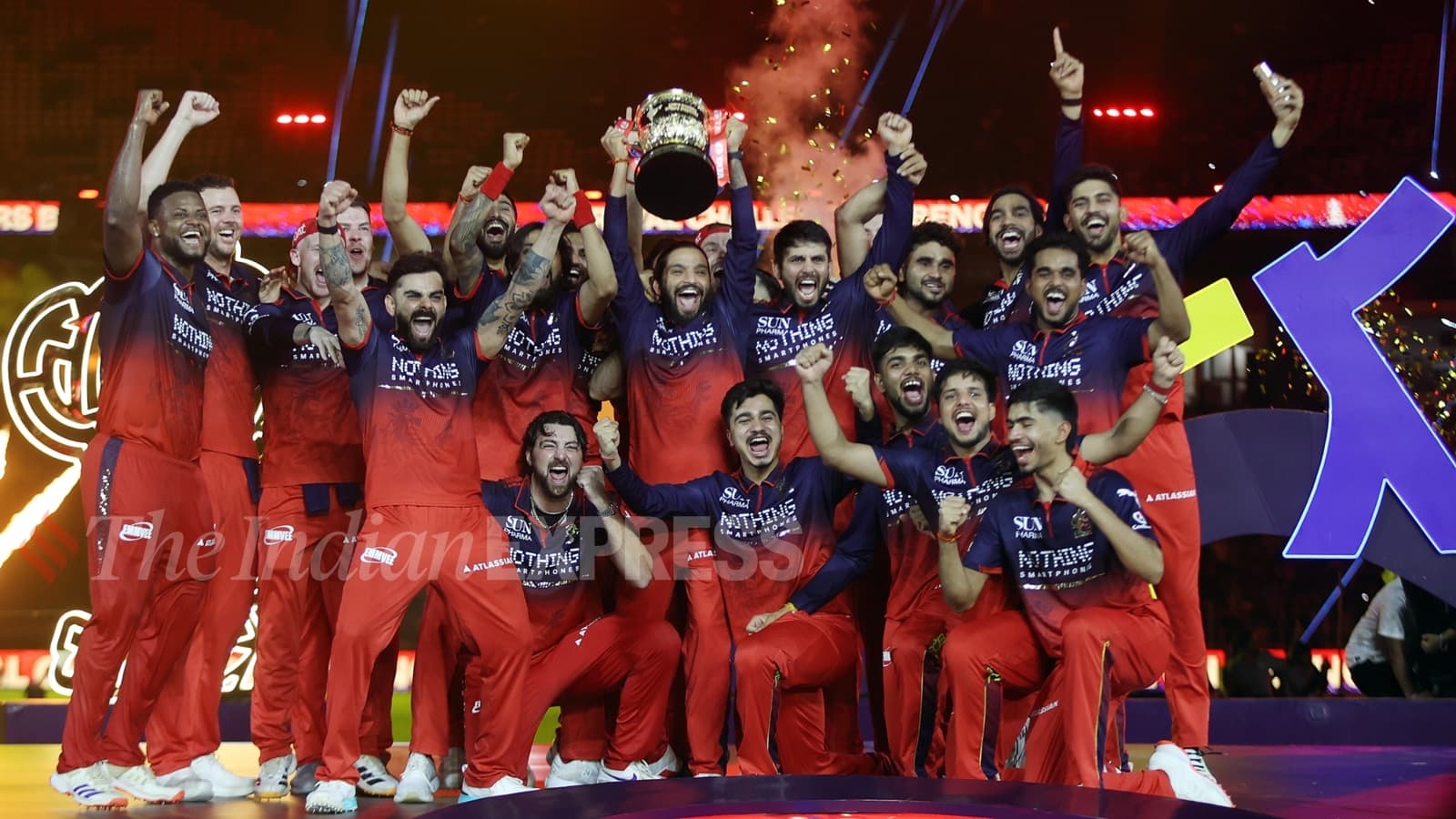
Rajat Patidar leads RCB to back-to-back IPL titles! Discover his leadership insights and goals for a historic third title in the upcoming season.
Indian Express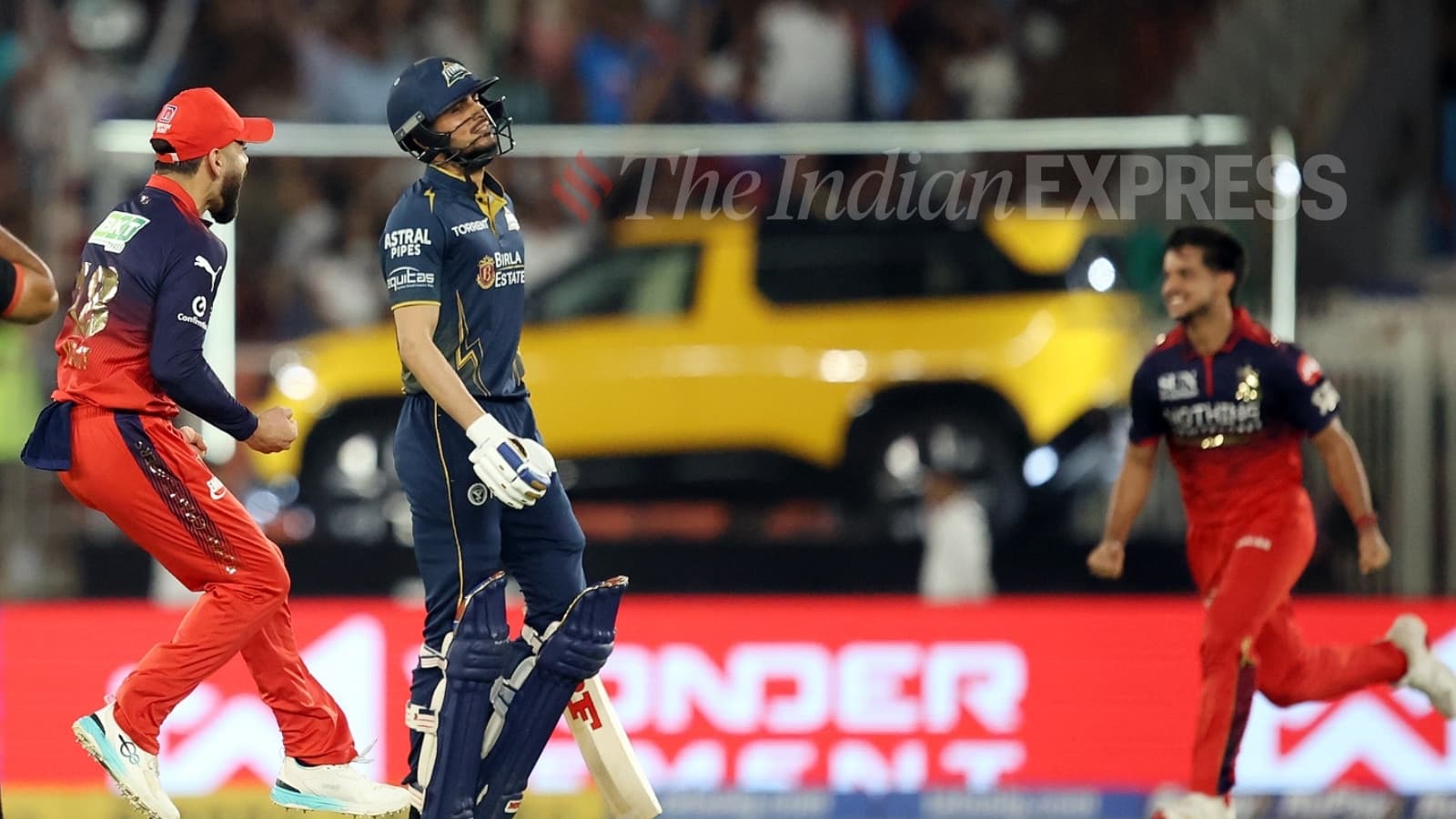
Gujarat Titans' Vikram Solanki reflects on their IPL 2026 final loss, acknowledging shortcomings and praising RCB's performance. What’s next for GT?
Indian Express
Virat Kohli and Anushka Sharma celebrate RCB's IPL 2026 victory with joy and emotion. Discover the highlights of this unforgettable night!
Indian Express