
Glipzo
WorldTechnologyBusinessSportsEntertainmentScienceHealthPolitics
Glipzo
WorldTechnologyBusinessSportsEntertainmentScienceHealthPolitics
  1. Home
  2. /
  3. Politics
  4. /
  5. HS2 Project Faces Major Cost Overruns and Delayed Timelines
HS2 Project Faces Major Cost Overruns and Delayed Timelines

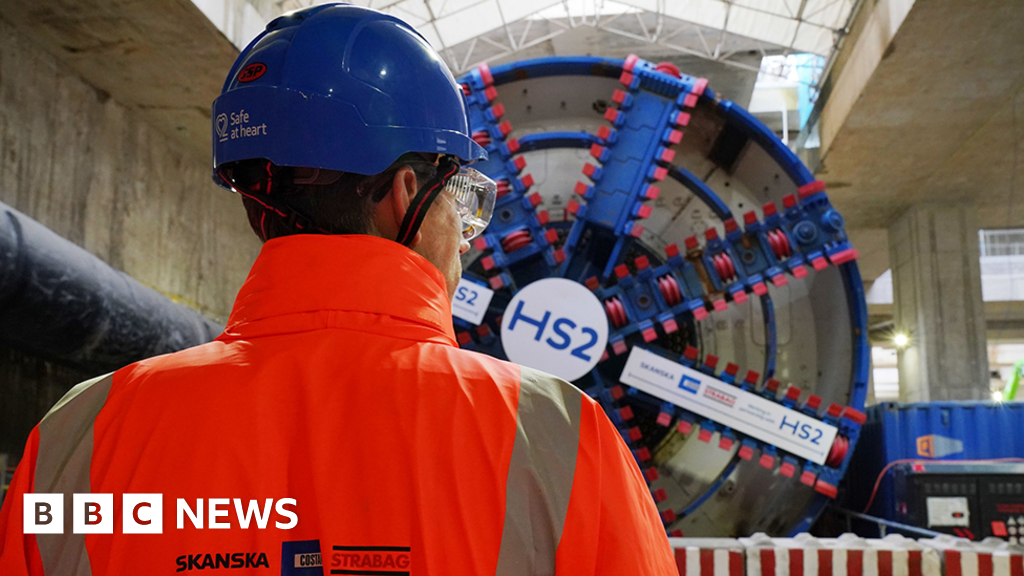
Image: BBC Business

Politics
Wednesday, May 20, 20265 min read

HS2 Project Faces Major Cost Overruns and Delayed Timelines

Discover the shocking new costs and delays for the HS2 project as Transport Secretary Heidi Alexander outlines a reset plan for the troubled rail initiative.

Glipzo News Desk|Source: BBC Business
Share
Glipzo

Key Highlights

  • HS2's costs soar to £102.7 billion amid delays and speed cuts.
  • Trains won't start running until 2036-2039, six years late.
  • Transport Secretary calls out previous government for mismanagement.
  • New speed limits align HS2 with European high-speed rail.
  • Government vows to complete HS2 despite rising costs and delays.

In this article

  • HS2's New Financial Reality: A Shocking Cost Estimate The **High Speed 2 (HS2)** rail project, a cornerstone of the UK's infrastructure ambitions, is now projected to cost as much as **£102.7 billion**. This announcement came from **Transport Secretary Heidi Alexander** during a recent session in the House of Commons. Despite the staggering costs, Alexander reaffirmed the government's commitment to seeing the project through to completion, stating that the initiative is essential for the future of the nation's transport network.
  • Slower Speeds and Budget Overruns: What to Expect To mitigate escalating expenses, the maximum speed of HS2 trains has been reduced from **360 km/h (224 mph)** to **320 km/h**. This decision aligns HS2 with high-speed rail services found in **Europe and Japan** but also reflects a compromise on the ambitious vision originally proposed. The adjustments come as part of a broader reevaluation of the project, which has been plagued by budget overruns and delays.
  • A History of Failures: Political Accountability During her address, Alexander did not shy away from calling out the previous administration, stating that they left behind a “**litany of failure**.” She lamented that what was meant to symbolize the country’s ambition turned into a representation of decline. Her frustration was palpable as she urged the government to take responsibility for the mismanagement that has led to these staggering cost increases.
  • The Future of HS2: A Commitment to Completion Despite the setbacks, Alexander emphasized the importance of HS2 for the UK's infrastructure, asserting, “**It could cost almost as much to cancel the line as it would to finish it, while delivering none of the benefits.**” This statement underlines the government's intent to continue with the project despite its challenges, highlighting a belief in the long-term benefits HS2 could provide.
  • What Lies Ahead for HS2 and Its Stakeholders The revised timeline indicates that services between **Old Oak Common** in west London and **Birmingham Curzon Street** are now set to commence later than initially predicted, with full connectivity from **London Euston to Curzon Street** not expected until between **2040 and 2043**. This slow rollout has raised concerns among local communities and taxpayers who are anxious to see the promised benefits of HS2 materialize.
  • Calls for Accountability: Political Reactions Responses from opposition figures reflect a shared concern over the project's management. **Shadow Transport Minister Jerome Mayhew** acknowledged the initial missteps, noting that early years were marred by delays and budget overruns. He challenged Alexander to clarify how the government plans to prevent future cost overruns, insisting that legislative changes might be necessary to enforce accountability.
  • Conclusion: Monitoring the Path Ahead As HS2 continues to evolve, stakeholders are encouraged to keep a close eye on the progress of the project amid its significant financial and operational challenges. The government's commitment to transparency and accountability will be critical as the project moves forward. Observers will be watching for how effectively the government can implement the necessary changes to ensure HS2 fulfills its potential as a transformative transportation network for the UK.

HS2's New Financial Reality: A Shocking Cost Estimate The **High Speed 2 (HS2)** rail project, a cornerstone of the UK's infrastructure ambitions, is now projected to cost as much as **£102.7 billion**. This announcement came from **Transport Secretary Heidi Alexander** during a recent session in the House of Commons. Despite the staggering costs, Alexander reaffirmed the government's commitment to seeing the project through to completion, stating that the initiative is essential for the future of the nation's transport network.

In an unexpected twist, the launch of train services has been pushed back significantly. Instead of the initial goal of 2033, trains are now expected to start operating between 2036 and 2039. This delay of up to six years highlights the ongoing challenges facing the project as it undergoes a much-needed reset amid growing skepticism surrounding its viability.

Slower Speeds and Budget Overruns: What to Expect To mitigate escalating expenses, the maximum speed of HS2 trains has been reduced from **360 km/h (224 mph)** to **320 km/h**. This decision aligns HS2 with high-speed rail services found in **Europe and Japan** but also reflects a compromise on the ambitious vision originally proposed. The adjustments come as part of a broader reevaluation of the project, which has been plagued by budget overruns and delays.

As of March 2026, approximately £44.2 billion has already been invested in HS2, but the anticipated total cost has now been revised to between £87.7 billion and £102.7 billion, in 2025 prices. This figure is nearly double the initial cost estimates provided by the previous government, leading many to question the project's management and direction.

A History of Failures: Political Accountability During her address, Alexander did not shy away from calling out the previous administration, stating that they left behind a “**litany of failure**.” She lamented that what was meant to symbolize the country’s ambition turned into a representation of decline. Her frustration was palpable as she urged the government to take responsibility for the mismanagement that has led to these staggering cost increases.

The transport secretary noted that about two-thirds of the increase in costs can be attributed to the misestimation of expenses, ineffective project management, and essential elements that were overlooked during the original planning stages. The remaining one-third is largely due to inflation.

The Future of HS2: A Commitment to Completion Despite the setbacks, Alexander emphasized the importance of HS2 for the UK's infrastructure, asserting, “**It could cost almost as much to cancel the line as it would to finish it, while delivering none of the benefits.**” This statement underlines the government's intent to continue with the project despite its challenges, highlighting a belief in the long-term benefits HS2 could provide.

She stated, “This country can build big things, we just need competent people at the helm to deliver them.” This is a clear call for better leadership and accountability as the project moves forward. The revised speed for HS2 trains, while slower, is expected to save up to £2.5 billion and could facilitate delivery a year earlier than previously planned.

What Lies Ahead for HS2 and Its Stakeholders The revised timeline indicates that services between **Old Oak Common** in west London and **Birmingham Curzon Street** are now set to commence later than initially predicted, with full connectivity from **London Euston to Curzon Street** not expected until between **2040 and 2043**. This slow rollout has raised concerns among local communities and taxpayers who are anxious to see the promised benefits of HS2 materialize.

Alexander assured that the government would actively pursue ways to save time and reduce costs, emphasizing a need to regain control over project management. “We will get the job done but we will also take every opportunity to save time and money,” she said, aiming to streamline the complexities that have previously hampered progress.

Calls for Accountability: Political Reactions Responses from opposition figures reflect a shared concern over the project's management. **Shadow Transport Minister Jerome Mayhew** acknowledged the initial missteps, noting that early years were marred by delays and budget overruns. He challenged Alexander to clarify how the government plans to prevent future cost overruns, insisting that legislative changes might be necessary to enforce accountability.

Alexander responded by mentioning that HS2 Ltd chief executive Mark Wild has been tasked with the goal of completing the project by 2037 at a cost of approximately £92.2 billion. Wild himself admitted that the latest updates on the project would be disappointing for many, but he firmly believes that the reset is crucial for regaining control and enhancing productivity.

Conclusion: Monitoring the Path Ahead As HS2 continues to evolve, stakeholders are encouraged to keep a close eye on the progress of the project amid its significant financial and operational challenges. The government's commitment to transparency and accountability will be critical as the project moves forward. Observers will be watching for how effectively the government can implement the necessary changes to ensure HS2 fulfills its potential as a transformative transportation network for the UK.

In summary, while the road ahead for HS2 is fraught with challenges, the government’s determination to see the project through offers a glimmer of hope for future connectivity and economic growth.

Did you find this article useful? Share it!

Share

Related Articles

Critical Air Strikes Erupt Between US and Iran in Gulf Region
Politics
Jun 1, 2026

Critical Air Strikes Erupt Between US and Iran in Gulf Region

Tensions soar as the US and Iran engage in air strikes near the Strait of Hormuz, raising concerns over global oil supply and regional stability.

BBC World

Trump Faces Stalemate in International Military Strategy
Politics
Jun 1, 2026

Trump Faces Stalemate in International Military Strategy

Trump's international interventions face serious stalemates. What will this mean for U.S. foreign policy? Explore the critical challenges ahead.

Indian Express

Tehran Denies Rumors of President Pezeshkian’s Resignation
Politics
Jun 1, 2026

Tehran Denies Rumors of President Pezeshkian’s Resignation

Tehran denies resignation of President Masoud Pezeshkian amid claims of IRGC influence. What does this mean for Iran's political stability? Click to learn more!

Indian Express

Categories

  • World
  • Technology
  • Business
  • Sports

More

  • Entertainment
  • Science
  • Health
  • Politics

Explore

  • Web Stories
  • About Us
  • Contact

Legal

  • Privacy Policy
  • Terms of Service
  • Disclaimer

© 2026 Glipzo. All rights reserved.