
Image: BBC Business
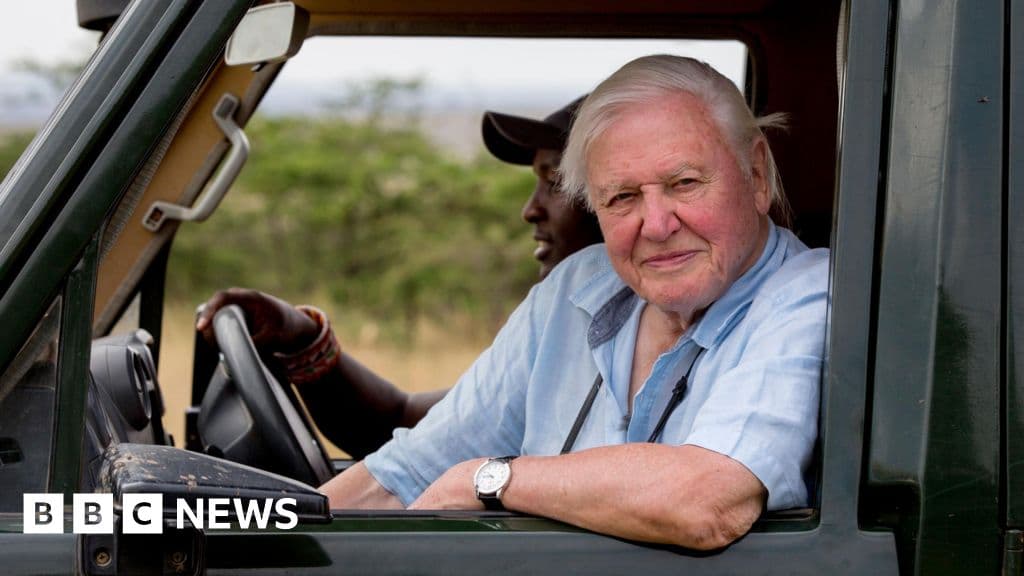
Discover how Sir David Attenborough transformed Bristol into the world's wildlife filmmaking hub, creating an industry that thrives on innovation and storytelling.
GlipzoLucie Muir, CEO of the Wildscreen Awards and Festival, aptly describes Bristol as the “beating heart of the wildlife film industry.” She highlights that without Attenborough's groundbreaking contributions, the industry in Bristol would lack the vibrancy and innovation it enjoys today.
Keith Scholey, a long-time collaborator of Attenborough, emphasizes this point: “Without Sir David, the wildlife film industry in Bristol would be a shadow of what it is.” Scholey first crossed paths with Attenborough in 1981, as an aspiring filmmaker fresh out of Bristol University, aiming to carve a niche in television. His career flourished under Attenborough's influence, leading him to direct acclaimed series like Planet Earth and The Private Life of Plants. Together with fellow producer Alastair Fothergill, Scholey co-founded Silverback Films in 2012.
This concentration of talent has created a unique ecosystem in Bristol, allowing for collaborations that continue to push the boundaries of wildlife storytelling.
Airing in 1979, Life on Earth reached around 15 million viewers in the UK and 500 million globally, setting a new standard for wildlife documentaries. Scholey recalls, “It was extraordinary. David would be in South America, then Australia, showing things people had never seen… underwater life, bats, reptiles—everything.”
Attenborough’s approach also marked a shift in funding dynamics, with a groundbreaking co-production deal with Warner Brothers that introduced American investment into the genre. “That was the first time money from America had been invested in a natural history series,” Scholey explains, reflecting on how this financial backing transformed the industry. The production cost of Life on Earth was over £1 million—a staggering budget for its time—which enabled a global distribution that confirmed wildlife films could indeed be blockbusters.
Muir underscores Attenborough’s enthusiasm for technology: “He loves new technology, he loves new camera kit, he’s always pushed everyone to make the best, newest discoveries possible.” His dedication to quality has earned him BAFTA awards across diverse formats, including black-and-white, color, HD, 3D, and 4K.
Over five decades of high-quality filmmaking have solidified Bristol’s status as a comprehensive production ecosystem, encompassing everything from filming to editing. This thriving environment has allowed for rapid advancements in storytelling and technology, further enhancing the quality of wildlife documentaries.
Looking ahead, several key trends may shape the future of wildlife filmmaking: - Increased Collaboration: As more filmmakers and producers converge in Bristol, expect enhanced collaboration that can lead to groundbreaking projects. - Focus on Conservation: With growing environmental concerns, future documentaries are likely to incorporate messages about conservation and sustainability. - Technological Advancements: Innovations in filmmaking technology will continue to evolve, providing filmmakers with new tools to tell their stories.
Sir David Attenborough’s legacy endures not just in his groundbreaking work but also in the vibrant industry he helped to establish. As the world increasingly turns its attention to wildlife and conservation, Bristol stands ready to lead the way.

Zahan Kapoor reveals an unconventional role in his upcoming film, signaling a significant shift from his breakout success in Black Warrant. What’s next for this rising star?
Bollywood Hungama
Discover how Vishal Jethwa is transforming his physique for Shakti Shalini, emphasizing the mental discipline behind peak fitness.
Bollywood Hungama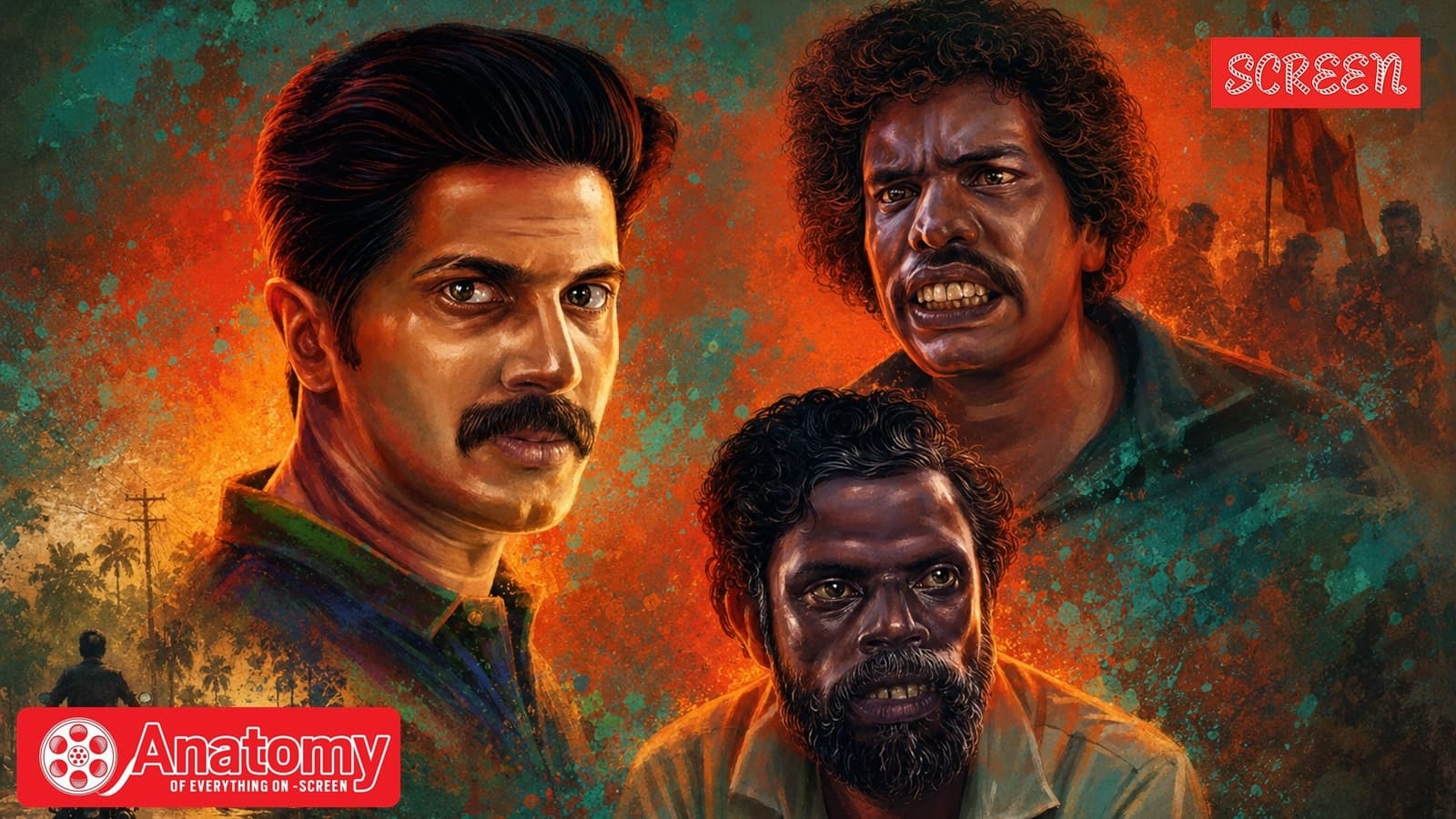
Discover the dark truths of urban development in Kammatipaadam, a film that reveals the often-overlooked sacrifices behind city growth.
Indian Express