
Image: Bollywood Hungama
Discover how Bollywood is exploring Dawood Ibrahim's influence through three major releases in 2026, reshaping narratives around crime and morality.
GlipzoFor over two decades, Bollywood has been captivated by stories revolving around the infamous D-Company and its notorious leader, Dawood Ibrahim. As 2026 unfolds, this fascination has not only persisted but has also manifested in a remarkable surge of cinematic portrayals. Within the first four months of the year alone, audiences have witnessed the emergence of three distinct productions that are either loosely or directly inspired by Ibrahim and his criminal empire.
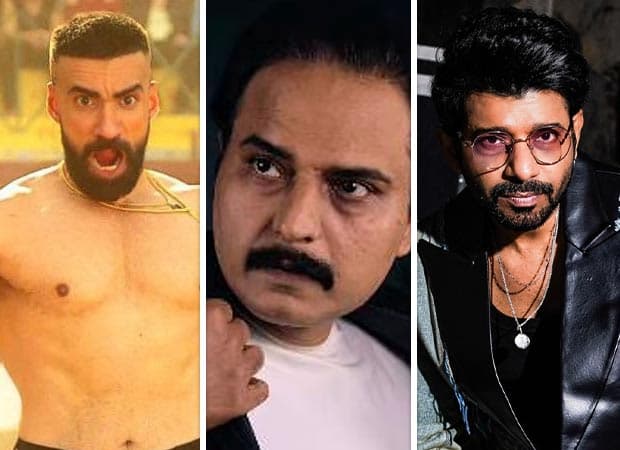
The recent trend kicked off with the release of O'Romeo on February 13, where actor Avinash Tiwary takes on the role of Jalaluddin, a character who draws clear inspiration from Dawood Ibrahim's life. The film weaves a narrative based on the Sapna Didi chapter from S. Hussain Zaidi's acclaimed book, Mafia Queens of Mumbai. This film set the stage for a compelling exploration of crime and its consequences in contemporary India.
Following O'Romeo, the next release, Dhurandhar The Revenge, premiered on March 18. This sequel builds on the foundations laid by its predecessor, Dhurandhar (2025), which introduced a shadowy figure known as Bade Sahab. In this installment, the character's identity is unveiled, igniting discussions across social media platforms. Unlike the typical grandiose depictions of gangsters, this portrayal of Bade Sahab, played by Danish Iqbal, presents a more vulnerable image—a frail, bedridden man, contrasting sharply with the traditional robust gangster archetype. Notably, this film has the distinction of being the first since Black Friday (2007) to mention Dawood Ibrahim by name.
The third installment in this intriguing cycle of releases is the web series Matka King, which debuted on Amazon Prime Video on April 17. Featuring Viineet Kumar Siingh in a cameo role as Darab Ahmed Wadkar, the series further cements the connection to Ibrahim's legacy. The story, set against the backdrop of the 1960s and 70s, follows Vijay Varma as a humble man who ventures into the world of gambling, illustrating the complexities of ambition and desperation.
The continuous emergence of these narratives demonstrates how Dawood Ibrahim's persona continues to cast a long shadow over Bollywood. His influence remains palpably felt, whether through overt references or subtle nods in character development. This ongoing trend illustrates several key themes:
As filmmakers navigate the delicate balance between storytelling and sensationalism, they continue to find new ways to engage with Ibrahim’s legacy, revealing insights into the human condition and societal structures.
The cultural significance of these films and series lies in their ability to provoke thought about crime, power, and morality. By portraying complex characters inspired by real-life criminals, filmmakers invite audiences to reflect on the consequences of crime, both on individuals and society at large. The fascination with figures like Dawood Ibrahim raises questions about celebrity culture, the glamorization of crime, and the ethical responsibilities of storytellers.
Moreover, the resurgence of interest in narratives centered around Ibrahim indicates a broader trend in Indian cinema: filmmakers are increasingly willing to confront controversial figures and themes. This shift could pave the way for more nuanced storytelling, challenging audiences to grapple with uncomfortable truths about crime and its impact on society.
As 2026 progresses, it will be intriguing to see how Bollywood continues to navigate the fine line between entertainment and ethical storytelling. With Dawood Ibrahim's influence still prevalent, future films and series may explore deeper psychological and sociopolitical themes, potentially reshaping the genre of crime dramas in Indian cinema.
Upcoming projects could include: - More nuanced character studies exploring the backgrounds of figures like Ibrahim. - Documentary-style narratives that provide historical context to the rise of organized crime in India. - Innovative storytelling techniques, such as blending genres to provide fresh perspectives on age-old tales.
In conclusion, the ongoing exploration of Dawood Ibrahim's legacy in Bollywood not only reflects the industry's enduring fascination with crime but also signals a willingness to challenge and engage audiences in meaningful discussions about morality and power dynamics.
Stay tuned for more updates on Bollywood's latest releases as the year unfolds, and watch how filmmakers continue to reinterpret and respond to the realities of crime in Indian society.
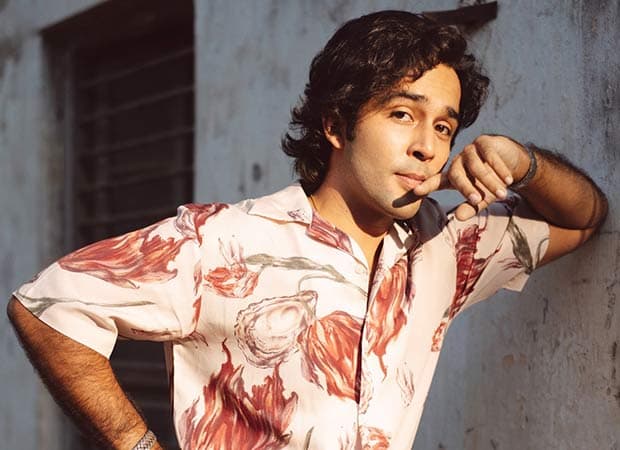
Zahan Kapoor reveals an unconventional role in his upcoming film, signaling a significant shift from his breakout success in Black Warrant. What’s next for this rising star?
Bollywood Hungama
Discover how Vishal Jethwa is transforming his physique for Shakti Shalini, emphasizing the mental discipline behind peak fitness.
Bollywood Hungama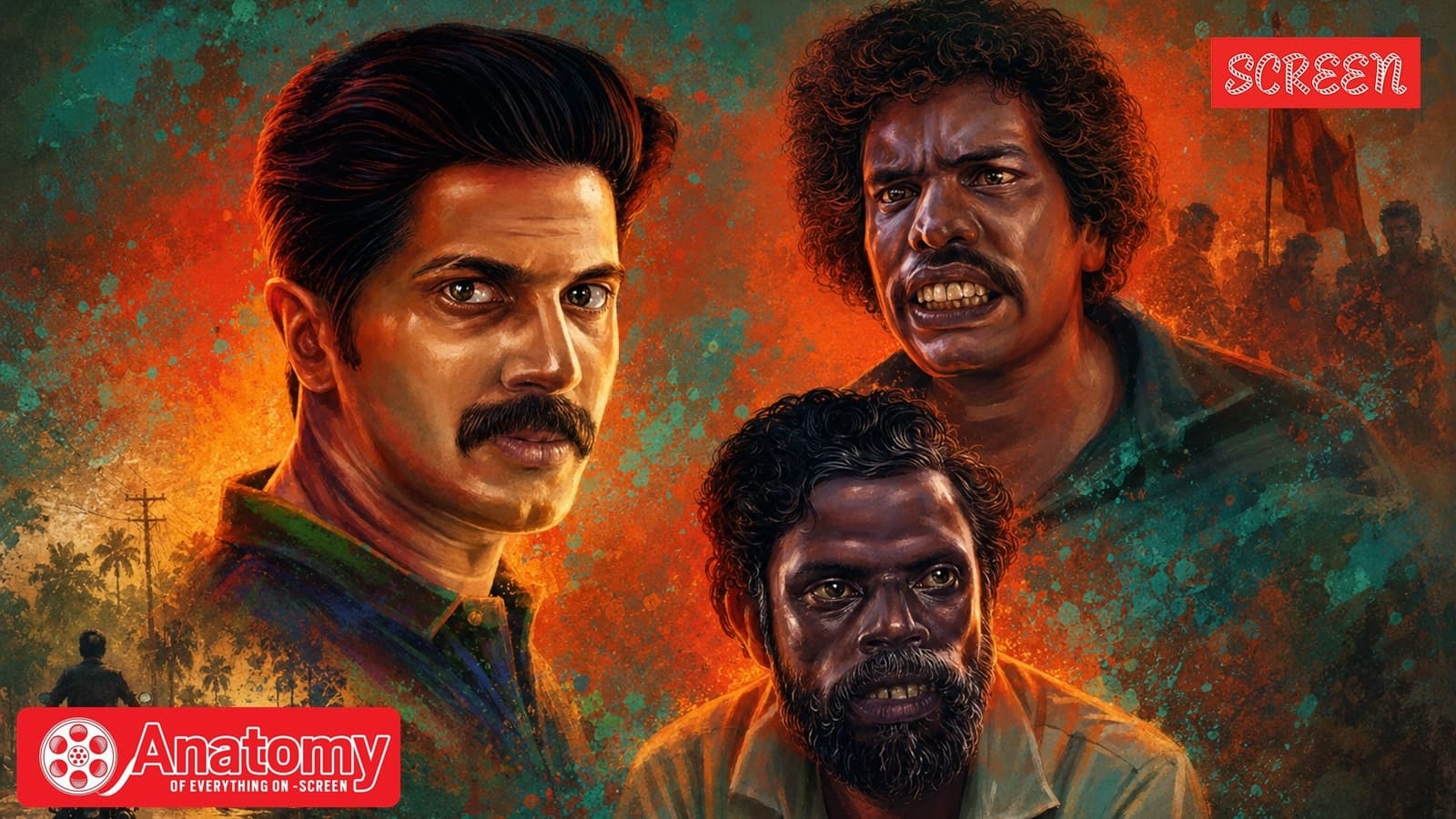
Discover the dark truths of urban development in Kammatipaadam, a film that reveals the often-overlooked sacrifices behind city growth.
Indian Express