Discover Ho Chi Minh's timeless wisdom on investing in human potential. Learn why nurturing people is more impactful than seeking short-term gains.
The Enduring Legacy of Ho Chi Minh’s Wisdom
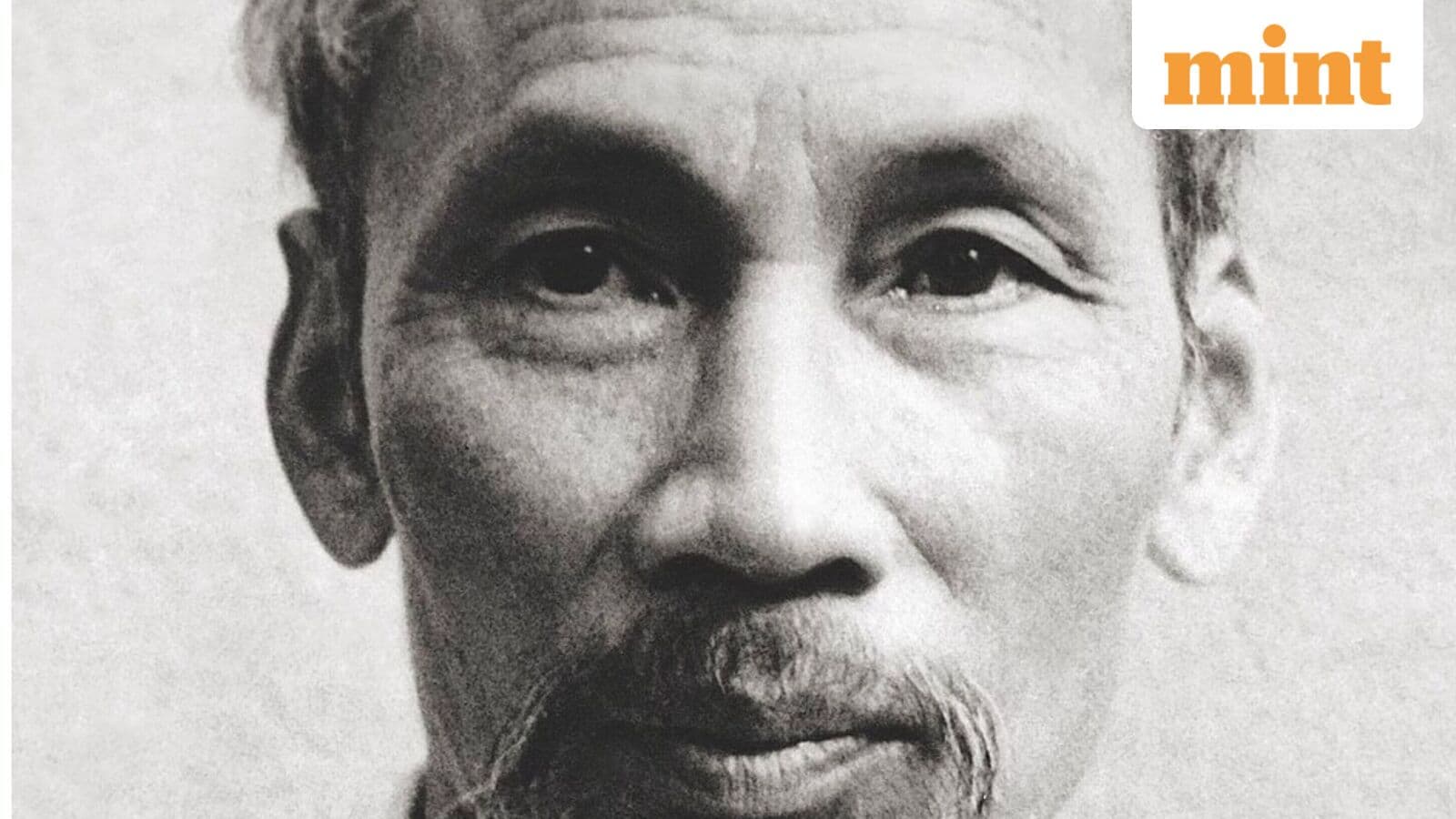
Ho Chi Minh, the revered leader of North Vietnam from **1954 to 1969**, left behind a treasure trove of insights that continue to resonate with people across the globe. One of his most quoted remarks, **“To reap a return in ten years, plant trees. To reap a return in 100, cultivate the people,”** serves as a profound reminder of the importance of investing in human potential over mere material gains. This quote encapsulates the essence of long-term thinking and the fundamental role education, values, and community play in shaping a better future.
- **Material Gains vs. Human Values:**
In an age where immediate results are often prioritized, Ho Chi Minh's wisdom stands as a challenge to rethink our approach to progress and success. Rather than seeking quick wins, we should dedicate ourselves to the slow, yet meaningful work of developing individuals and communities.
The Broader Implications of Ho Chi Minh's Message
The implications of investing in people extend well beyond education. Ho Chi Minh's words serve as a call to action for governments, businesses, and individuals alike to foster environments where **critical thinking** and **innovation** can flourish. In contrast to the fleeting satisfaction of material success, the growth of human potential leads to significant advancements that can uplift entire nations.
The Relevance of Ho Chi Minh’s Quote Today
In today's fast-paced world, Ho Chi Minh's quote resonates more than ever. We live in an era where the focus is primarily on **instant gratification**, with governments and corporations often chasing short-term profits at the expense of long-term sustainability. This culture can lead to a neglect of the foundational work required to nurture future leaders and innovators.
A Call for Reflection
- **Governments:** Should prioritize policies that foster education and community development rather than seeking superficial achievements.
- **Businesses:** Must shift towards sustainable practices that invest in employee development and community engagement.
- **Individuals:** Are encouraged to reflect on their own contributions to society through mentorship and support of educational initiatives.
Ho Chi Minh’s Journey: A Brief Overview
Ho Chi Minh, born on **May 19, 1890**, in Hoang Tru, Vietnam, dedicated his life to the fight for independence and social justice. His journey began on **June 3, 1911**, when he left Vietnam to pursue revolutionary activities across the globe. Influenced by the **Russian October Revolution**, he adopted Marxism-Leninism as the framework for liberating both the working class and colonial nations. His relentless pursuit of freedom for Vietnam, through struggles against Japanese, French, and American forces, showcases his commitment to the cause of his people.
Ho Chi Minh’s Enduring Influence
Even decades after his passing, Ho Chi Minh's wisdom on cultivating human potential remains relevant. His emphasis on education and values over materialism serves as a guiding principle for future generations. As we navigate contemporary challenges, reflecting on his insights can inspire us to focus on long-term societal change rather than short-lived successes.
Investing in people, as Ho Chi Minh suggested, can create ripples of positive change that transcend generations. By prioritizing education and nurturing human potential, we can build a brighter future for all.