
Glipzo
WorldTechnologyBusinessSportsEntertainmentScienceHealthPolitics
Glipzo
WorldTechnologyBusinessSportsEntertainmentScienceHealthPolitics
  1. Home
  2. /
  3. Politics
  4. /
  5. Hezbollah's Drone Warfare: A New Threat to Israel's Defenses
Hezbollah's Drone Warfare: A New Threat to Israel's Defenses

Image: BBC World

Politics
Sunday, May 17, 20265 min read

Hezbollah's Drone Warfare: A New Threat to Israel's Defenses

Hezbollah’s drone tactics evolve, posing a new threat to Israel. Learn how FPV drones challenge military defenses and reshape modern warfare.

Glipzo News Desk|Source: BBC World
Share
Glipzo

Key Highlights

  • Hezbollah has ramped up drone attacks against Israel since March.
  • IDF struggles to counter small FPV drones that evade detection.
  • Drones cost just $300-$500, changing the face of warfare.
  • Recent strikes resulted in casualties among Israeli soldiers.
  • Fiber-optic tech makes drone interception nearly impossible.

In this article

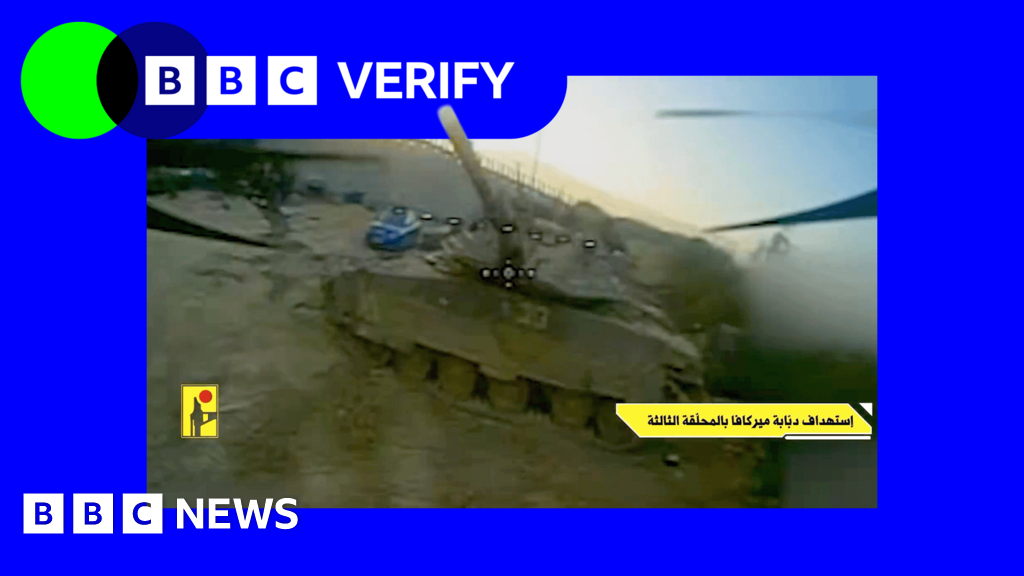
  • Hezbollah's Evolving Drone Tactics Hezbollah has ramped up its offensive capabilities by deploying small first-person view (FPV) drones in a series of attacks against Israeli targets. These advancements were notably observed starting on **March 26**, when the Lebanese militant group began sharing videos showcasing strikes on Israeli soldiers, armored vehicles, and air defense systems in both **southern Lebanon** and **northern Israel**. The use of **fiber-optic cables** to control these drones allows Hezbollah to evade sophisticated Israeli defenses, presenting a significant challenge for the Israel Defense Forces (IDF).
  • The Impact of FPV Drones on Modern Warfare The rise of cheap FPV drones has reshaped the landscape of modern warfare, a trend that gained momentum during the **Russia-Ukraine conflict**. These drones enable combatants to strike high-value targets at a fraction of the cost, making them an attractive option for militant groups like Hezbollah. Despite the IDF's efforts to downplay the casualty figures, reports suggest the drone strikes have resulted in the deaths of **four IDF soldiers** and one civilian, with additional injuries reported among the troops.
  • Hezbollah's Tactical Advantages Military analyst **Hisham Jaber**, a former Lebanese army general, highlights that these FPV drones can be virtually undetectable by radar. Hezbollah reportedly possesses hundreds of these drones, which have been effectively used to target and disable armored vehicles, including tanks. While Hezbollah has utilized larger attack drones in past conflicts, the introduction of FPVs represents a significant tactical shift.
  • Recent Attacks and Tactical Developments Recent drone strikes have been particularly concerning for Israeli forces. On **April 26**, two separate attacks were documented in the town of **Taybeh**, where soldiers were targeted and an IDF helicopter was struck while attempting to rescue injured personnel. Reports from Israeli media indicate that this incident resulted in the death of one soldier and injuries to six others.
  • Cost and Accessibility of Drone Technology The cost of assembling these FPV drones is relatively low, with estimates ranging from **$300 to $500** per unit. Hezbollah likely sources these components from commercial suppliers, notably from countries like **China**, and augments them with parts produced via 3D printing. This accessibility complicates tracking and regulation, making it challenging for authorities to trace the origins of the drone materials.
  • Why It Matters The significant uptick in Hezbollah's drone usage poses a critical challenge not only to Israeli military operations but also to the broader stability of the region. As both sides adapt to the evolving landscape of drone warfare, it raises questions about future engagements and military strategies in the Middle East.
  • Looking Ahead: The Future of Drone Warfare As drone technology continues to evolve, the implications for military strategy and conflict dynamics will be profound. It is essential for military analysts and policymakers to keep a close watch on Hezbollah's developments in drone warfare, as they could redefine engagement rules and tactics in the region. The increasing accessibility of drone technology may lead to a proliferation of similar tactics among other militant groups, making this a critical area of focus for national security agencies worldwide.

Hezbollah's Evolving Drone Tactics Hezbollah has ramped up its offensive capabilities by deploying small first-person view (FPV) drones in a series of attacks against Israeli targets. These advancements were notably observed starting on **March 26**, when the Lebanese militant group began sharing videos showcasing strikes on Israeli soldiers, armored vehicles, and air defense systems in both **southern Lebanon** and **northern Israel**. The use of **fiber-optic cables** to control these drones allows Hezbollah to evade sophisticated Israeli defenses, presenting a significant challenge for the Israel Defense Forces (IDF).

According to BBC Verify, a total of 35 videos have been geolocated and verified, demonstrating the effectiveness of these drone tactics. Experts indicate that the IDF has yet to establish effective countermeasures against these small drones, which can easily evade detection systems. The technology behind these drones is not only accessible but also cost-effective, as they can be constructed from commercially available materials and 3D-printed components.

The Impact of FPV Drones on Modern Warfare The rise of cheap FPV drones has reshaped the landscape of modern warfare, a trend that gained momentum during the **Russia-Ukraine conflict**. These drones enable combatants to strike high-value targets at a fraction of the cost, making them an attractive option for militant groups like Hezbollah. Despite the IDF's efforts to downplay the casualty figures, reports suggest the drone strikes have resulted in the deaths of **four IDF soldiers** and one civilian, with additional injuries reported among the troops.

In response to the evolving threat posed by these drones, the IDF has acknowledged the necessity of enhancing its defenses. They are reportedly investing significant resources into developing more effective alert models and improving soldier training to increase readiness against drone attacks. The military has been operating FPV drones for several years, particularly in southern Lebanon and against Hamas in Gaza.

Hezbollah's Tactical Advantages Military analyst **Hisham Jaber**, a former Lebanese army general, highlights that these FPV drones can be virtually undetectable by radar. Hezbollah reportedly possesses hundreds of these drones, which have been effectively used to target and disable armored vehicles, including tanks. While Hezbollah has utilized larger attack drones in past conflicts, the introduction of FPVs represents a significant tactical shift.

BBC Verify's findings reveal that since March 26, nearly 100 videos of FPV attacks have been posted on Hezbollah's Telegram channel, with 35 confirmed as legitimate. Notably, one video released recently showed an attack on an Israeli border outpost near Kiryat Shmona, where several military vehicles were damaged or destroyed by drone strikes.

Recent Attacks and Tactical Developments Recent drone strikes have been particularly concerning for Israeli forces. On **April 26**, two separate attacks were documented in the town of **Taybeh**, where soldiers were targeted and an IDF helicopter was struck while attempting to rescue injured personnel. Reports from Israeli media indicate that this incident resulted in the death of one soldier and injuries to six others.

The use of fiber-optic connections to control these drones complicates interception efforts. Dr. Andreas Krieg, a security expert from King's College London, explains that this technology significantly diminishes Israel's ability to detect, jam, or intercept the drones, making it increasingly difficult to locate the operators. Consequently, Israeli troops must adapt their strategies, moving more cautiously and reinforcing their positions with protective measures like nets and cages.

Cost and Accessibility of Drone Technology The cost of assembling these FPV drones is relatively low, with estimates ranging from **$300 to $500** per unit. Hezbollah likely sources these components from commercial suppliers, notably from countries like **China**, and augments them with parts produced via 3D printing. This accessibility complicates tracking and regulation, making it challenging for authorities to trace the origins of the drone materials.

Leone Hadavi, a senior investigator and weapons expert at the Centre for Information Resilience, notes that the non-military nature of these components contributes to the difficulty in monitoring their use. Most of these FPV drones are equipped with rocket-propelled grenades (RPGs), further enhancing their lethality against Israeli forces.

Why It Matters The significant uptick in Hezbollah's drone usage poses a critical challenge not only to Israeli military operations but also to the broader stability of the region. As both sides adapt to the evolving landscape of drone warfare, it raises questions about future engagements and military strategies in the Middle East.

In the coming months, analysts and military experts will be closely monitoring how the IDF responds to this drone threat and whether they can successfully develop countermeasures. The ongoing conflict's trajectory could be shaped by these technological advancements, leading to potential escalations in hostilities between Hezbollah and Israel.

Looking Ahead: The Future of Drone Warfare As drone technology continues to evolve, the implications for military strategy and conflict dynamics will be profound. It is essential for military analysts and policymakers to keep a close watch on Hezbollah's developments in drone warfare, as they could redefine engagement rules and tactics in the region. The increasing accessibility of drone technology may lead to a proliferation of similar tactics among other militant groups, making this a critical area of focus for national security agencies worldwide.

Did you find this article useful? Share it!

Share

Related Articles

Critical Air Strikes Erupt Between US and Iran in Gulf Region
Politics
Jun 1, 2026

Critical Air Strikes Erupt Between US and Iran in Gulf Region

Tensions soar as the US and Iran engage in air strikes near the Strait of Hormuz, raising concerns over global oil supply and regional stability.

BBC World

Trump Faces Stalemate in International Military Strategy
Politics
Jun 1, 2026

Trump Faces Stalemate in International Military Strategy

Trump's international interventions face serious stalemates. What will this mean for U.S. foreign policy? Explore the critical challenges ahead.

Indian Express

Tehran Denies Rumors of President Pezeshkian’s Resignation
Politics
Jun 1, 2026

Tehran Denies Rumors of President Pezeshkian’s Resignation

Tehran denies resignation of President Masoud Pezeshkian amid claims of IRGC influence. What does this mean for Iran's political stability? Click to learn more!

Indian Express

Categories

  • World
  • Technology
  • Business
  • Sports

More

  • Entertainment
  • Science
  • Health
  • Politics

Explore

  • Web Stories
  • About Us
  • Contact

Legal

  • Privacy Policy
  • Terms of Service
  • Disclaimer

© 2026 Glipzo. All rights reserved.