
Image: Mint (Business)
Discover Helen Keller's profound wisdom on vision and perception. Learn how her insights encourage us to look beyond the surface of life.
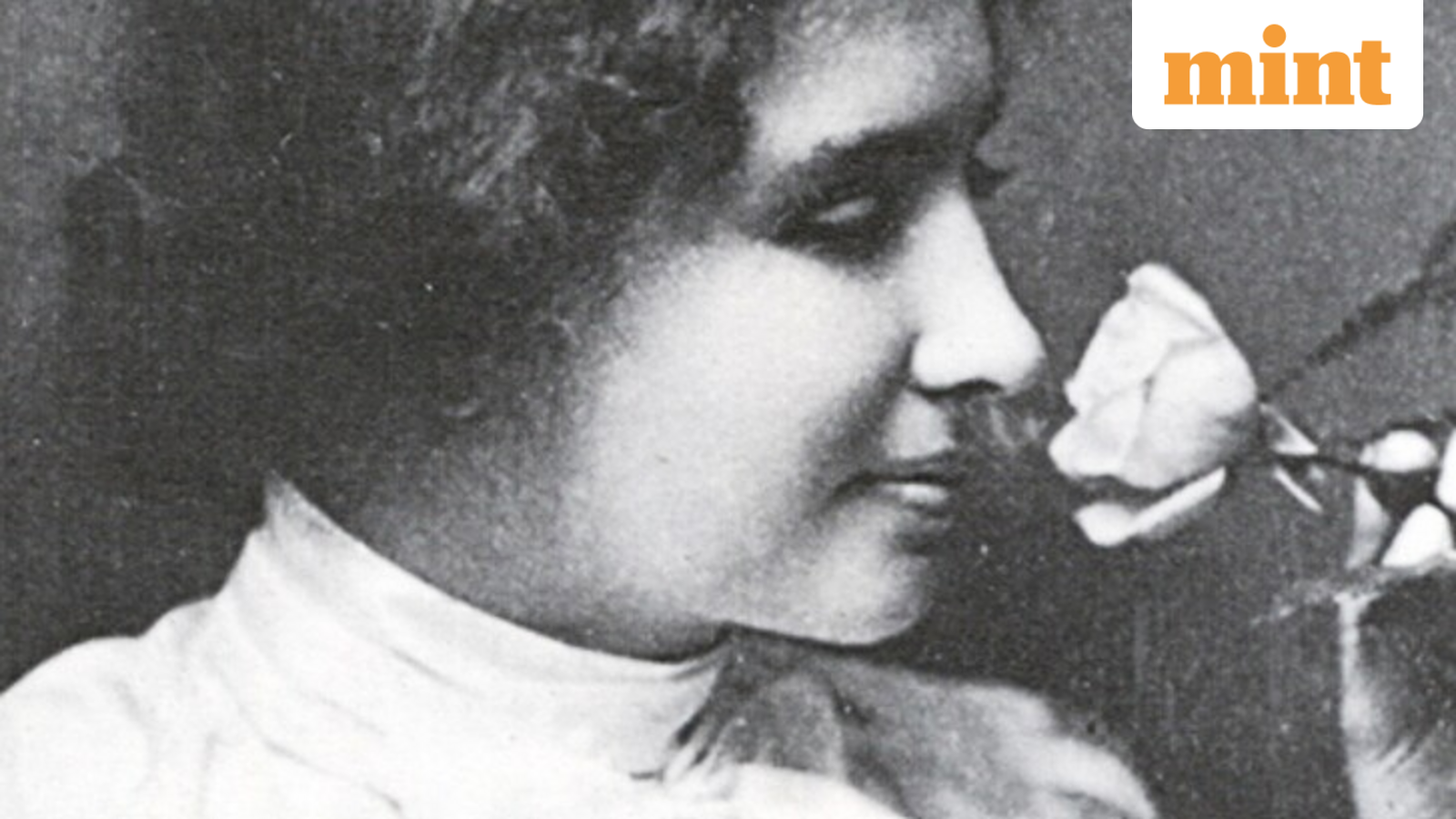
GlipzoHelen Keller, a revered figure in disability rights and American literature, once profoundly stated, “The only thing worse than being blind is having sight but no vision.” This powerful quote encapsulates the essence of true vision and perception, reminding us that the ability to see physical surroundings does not equate to understanding or purpose. Keller's life exemplifies resilience, illustrating how internal vision shapes our understanding of the world.
Born in 1880 in Tuscumbia, Alabama, Keller faced unimaginable challenges at a tender age. Stricken by a mysterious illness at just 19 months, she became both blind and deaf. This dual disability thrust her into a silent and dark world, where communication seemed impossible. For years, she struggled with her isolation, unable to express her thoughts or connect with those around her. Her frustrations often erupted into uncontrollable outbursts, leading to a sense of despair.
Everything changed for Keller in 1887 when her parents engaged Anne Sullivan, a remarkable teacher who also faced visual impairments. Sullivan's innovative teaching methods transformed Keller's existence. By spelling words into Keller's hand, she opened a new world of communication for her. The pivotal moment came when Keller recognized the word “water” through Sullivan's tactile instruction, leading to an awakening that would propel her toward greatness.
Keller went on to earn her degree from Radcliffe College, becoming a prominent author, activist, and lecturer. Her life’s work centered around advocating for individuals with disabilities, championing social justice, and illustrating that disability does not equate to inability. Keller's journey underscores the importance of inner vision and the ability to perceive life’s deeper meanings.
Keller's insightful quote challenges conventional assumptions about sight and perception. Many people mistakenly equate physical sight with understanding. However, Keller emphasizes that true vision is an internal quality, shaped by our interpretation of the world around us. Having the ability to see does not guarantee awareness of injustice, beauty, or opportunities for personal growth.
Her statement resonates with many, urging individuals to reevaluate their lives and consider the following: - Define Your Vision: Reflect on what truly matters in your life. What kind of impact do you wish to make? This self-examination can lead to a clearer purpose. - Practice Mindful Observation: Look beyond mere appearances. When encountering others in distress, strive to understand their perspectives and find creative solutions to problems. - Cultivate Optimism: Embrace a positive mindset, even during tough times. Seek out aspects of gratitude, focusing on the constructive rather than the negative. - View Challenges as Opportunities: When obstacles arise, consider them as chances to learn and grow rather than insurmountable barriers. - Engage Actively with the World: Become involved in your community. Ask questions and seek to understand diverse viewpoints, thereby enriching your internal vision.
Keller’s wisdom remains relevant in today’s fast-paced world, where many individuals may possess physical sight yet lack vision or purpose. The quote encourages us to dig deeper into our motivations and aspirations, urging us to see beyond the superficial aspects of life. In a society inundated with distractions, Keller’s words remind us to focus on what truly matters: empathy, understanding, and a commitment to personal growth.
Her life story serves as a powerful reminder that despite physical limitations, one can achieve profound insights and make significant contributions to society. Keller’s advocacy for people with disabilities and her fight for social justice continue to inspire generations, illustrating that vision extends far beyond what we can see.
As we reflect on Keller’s impactful life and teachings, it becomes essential to consider how we can apply her insights in our modern lives. The following are key takeaways for the future: - Embrace Vision in Leadership: In both personal and professional settings, leaders should aim to inspire others by cultivating a vision that promotes inclusivity and understanding. - Advocate for the Underserved: Keller’s legacy prompts us to continue advocating for those without a voice, ensuring that everyone has access to opportunities regardless of their challenges. - Promote Mental Wellness: Understanding that sight does not equal clarity can encourage a more profound conversation about mental health and the importance of emotional intelligence.
In conclusion, Keller's message transcends time and continues to challenge us to redefine our understanding of vision. As we navigate through life, let us strive not just to see but to truly perceive and understand the world around us.
By embodying Keller's principles, we can work towards a more compassionate and insightful society, where everyone is empowered to achieve their fullest potential.

Survivors of the Laos cave rescue are aiding efforts to find the last two missing men trapped inside, sharing crucial insights for the search operation.
BBC World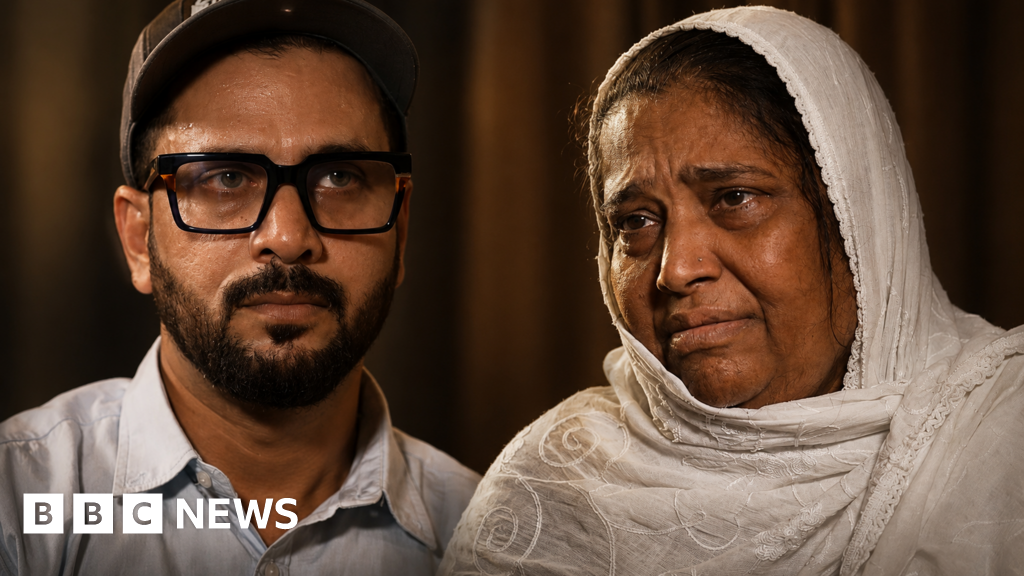
A year after the tragic Air India crash, the Ali family reflects on grief, unanswered questions, and the enduring bonds of love in the face of loss.
BBC Business
A devastating explosion in Myanmar's Kaung Tat village has killed at least 55 people, raising serious safety concerns and questions about civilian protection in conflict zones.
BBC World