
Image: BBC World
Hamas urges Iran to halt attacks on Gulf states amid escalating regional tensions, calling for unity and cooperation to prevent further violence.
GlipzoIn a surprising move, the Palestinian militant organization Hamas has publicly requested its primary ally, Iran, to refrain from targeting Gulf states amid escalating regional tensions. This appeal, made in a recent statement, highlights the group’s concern over the ongoing conflict and the impact of Iranian retaliatory actions on neighboring countries. Hamas emphasized the importance of unity among regional nations to uphold the bonds of brotherhood, indicating a desire for cooperation rather than conflict.
Hamas's statement marks a rare instance of the organization urging restraint from its major backer, which has been involved in a series of retaliatory strikes against perceived threats from the United States and Israel. The group acknowledged Iran's right to defend itself but insisted that attacks should not extend to other states in the region.
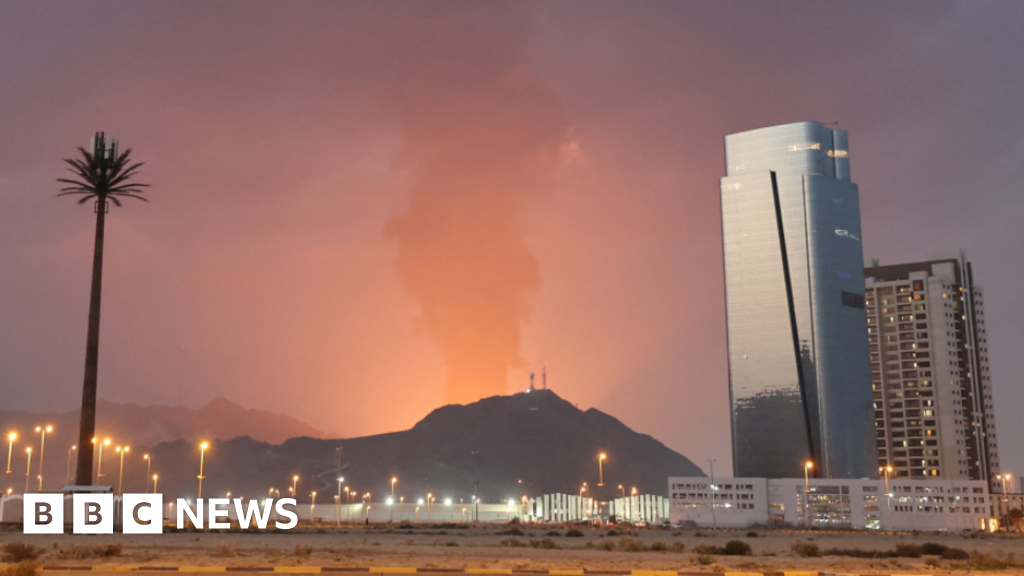
The backdrop of these calls for restraint includes Iran's recent military actions, which have reportedly targeted American installations in the Gulf. However, many of these strikes have inadvertently impacted civilian infrastructure, leading to widespread concern among neighboring countries. In the last two weeks, at least 18 individuals have lost their lives as a result of these attacks, with the fatalities predominantly consisting of security personnel and foreign laborers.
The distribution of casualties reflects the regional volatility: - United Arab Emirates (UAE): 6 deaths - Kuwait: 6 deaths - Oman: 2 deaths - Saudi Arabia: 2 deaths - Bahrain: 2 deaths
These developments have precipitated a climate of fear and uncertainty, prompting Hamas to express its worries about the ongoing conflict, which it has been monitoring closely.
In light of the escalating violence, Hamas has urged not only Iran but also all states and international organizations to take immediate steps toward halting the conflict. This plea underscores the group's desire for stability in the region, which has been marred by violence and political strife. As tensions continue to rise, the Iranian government has yet to publicly respond to Hamas's unusual request, leaving observers to speculate on the potential ramifications of this internal dialogue.
Hamas's position in the conflict is significant, as it is considered a vital part of Iran's “axis of resistance,” a coalition aimed at countering the influence of the US and Israel in the Middle East. This coalition also includes financial and political support from nations like Turkey and Qatar, both of which have also experienced Iranian attacks recently.
Hamas has historically condemned actions taken against Iranian leadership, labeling the assassination of Supreme Leader Ali Khamenei as a “heinous crime” following joint US-Israeli strikes at the war's outset on February 28. This context underscores the complex relationship between Hamas and Iran, where mutual support is intertwined with the broader geopolitical landscape.
Additionally, Hamas has faced its own challenges in the Gaza Strip, where it engaged in a protracted conflict with Israel for over two years. A US-imposed ceasefire was established last October, but allegations of violations from both sides have persisted, creating an unstable environment. According to the Hamas-run health ministry, since the ceasefire was enacted, 649 people have died in Gaza, illustrating the ongoing humanitarian crisis that continues to unfold.
As the situation evolves, the dynamics between Hamas and Iran will be critical to monitor. The Palestinian group’s appeal for restraint could signify a shift in its strategy or a recognition of the broader implications of Iranian actions on regional stability. What happens next remains uncertain, but several factors will shape the future: - Iran's Response: How Tehran reacts to Hamas's request could redefine their alliance and the regional power balance. - International Involvement: The role of global powers, particularly the US and European nations, in mediating this conflict may influence the trajectory of these hostilities. - Civilian Impact: The continued violence and resultant humanitarian crisis in Gaza and surrounding areas will necessitate urgent international attention and aid.
In conclusion, the relationship between Hamas and Iran, along with the broader dynamics of the Middle East, remains fragile and complex. Observers should keep a close watch on future developments, especially as they pertain to the escalating violence and the potential for diplomatic resolutions.

Tensions soar as the US and Iran engage in air strikes near the Strait of Hormuz, raising concerns over global oil supply and regional stability.
BBC World
Trump's international interventions face serious stalemates. What will this mean for U.S. foreign policy? Explore the critical challenges ahead.
Indian Express
Tehran denies resignation of President Masoud Pezeshkian amid claims of IRGC influence. What does this mean for Iran's political stability? Click to learn more!
Indian Express