
Image: Indian Express
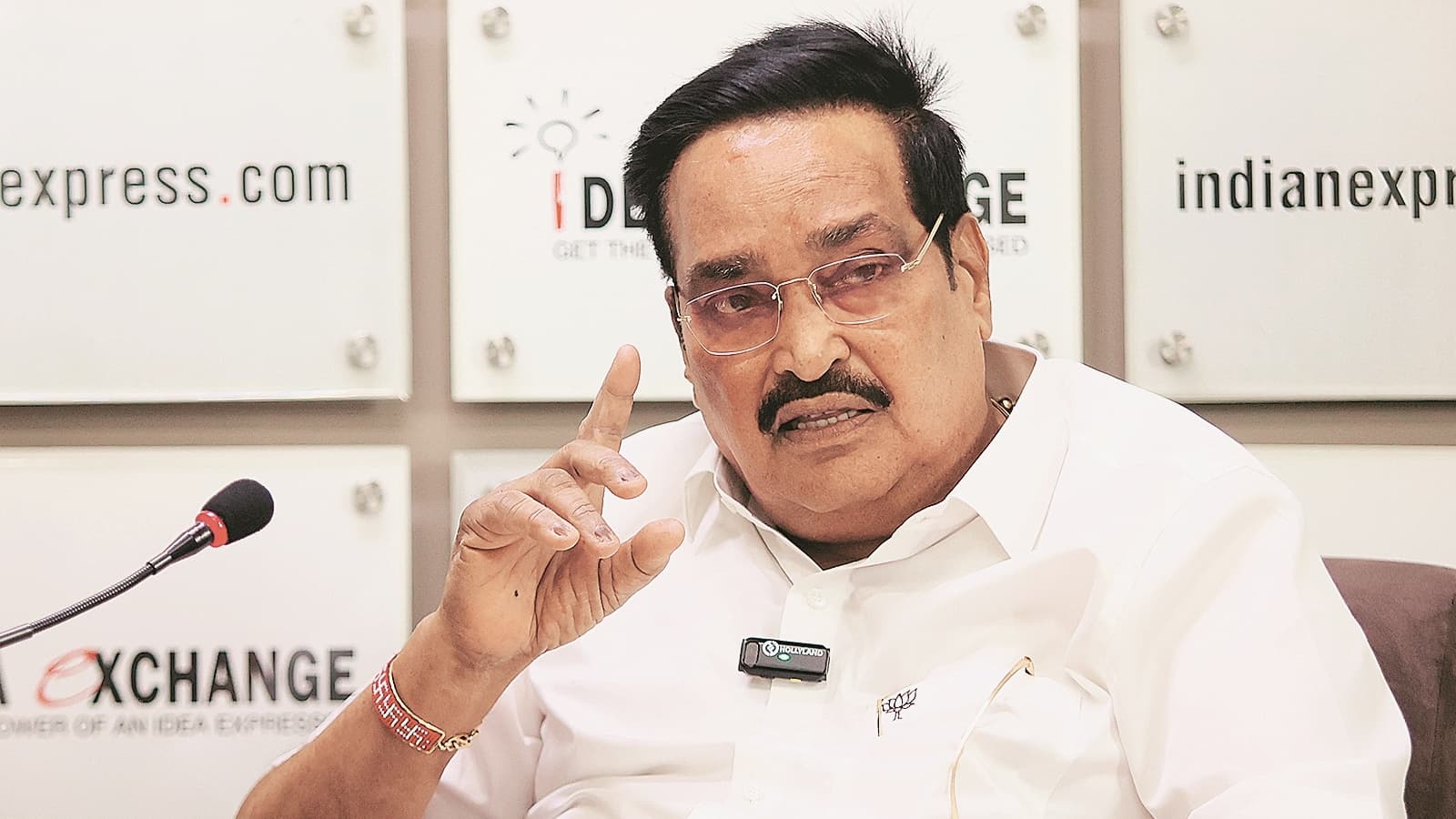
Union Minister CR Patil and Gujarat Health Minister Pansheriya forgo escort vehicles in response to PM Modi's call for reduced fuel consumption amid a crisis.
GlipzoIn a significant move reflecting the ongoing fuel crisis, Union Minister CR Patil has declared that he will no longer utilize pilot and escort vehicles for attending both government and private events. This decision comes as a response to Prime Minister Narendra Modi's recent appeal urging citizens to reduce fuel consumption due to disruptions in supply chains, particularly stemming from tensions in West Asia.
Patil, who serves as the Union Minister of Jal Shakti, emphasized the importance of this initiative during his recent visit to Surat, where he made the announcement. Effective immediately, he has committed to travel without any escort or pilot vehicles, a practice he began on Monday when he traveled from Delhi to Roorkee.
In alignment with Patil's commitment, Gujarat Health Minister Praful Pansheriya, a local MLA from Surat, has also pledged to forgo the use of pilot and escort vehicles for the next two to three months. This joint action from prominent Gujarat leaders underscores a growing awareness of the need for responsible fuel consumption amid the escalating global crisis.
Pansheriya’s announcement adds momentum to the initiative, aiming to set an example for citizens and government officials alike. He remarked that reducing reliance on escort vehicles is a necessary step until the situation stabilizes.
The implications of these decisions extend beyond mere personal choices. By leading by example, Patil and Pansheriya are sending a clear message about the urgency of conserving fuel during a time of global instability. The Prime Minister's call to action is not just a suggestion; it's a critical directive aimed at minimizing the impact of fuel supply disruptions, which have reached unprecedented levels due to geopolitical tensions and economic factors.
Here are some key reasons why this initiative is significant: - Promotes Sustainability: Encouraging reduced fuel usage aligns with broader environmental goals and sustainability efforts. - Sets a Precedent: When leaders make sacrifices, it can inspire citizens to do the same, fostering a collective approach to the crisis. - Economic Impact: Reducing fuel consumption can help stabilize local economies by decreasing demand and potentially lowering prices.
The public's response to this initiative has been largely positive, with many citizens appreciating the proactive stance taken by their leaders. Social media platforms have seen a flurry of support, with citizens praising Patil and Pansheriya for their commitment to reducing waste and setting a good example.
As the situation in West Asia continues to evolve, these actions may serve as a model for other regions facing similar challenges. Observers will be closely monitoring how these measures impact local fuel consumption rates and whether other leaders will follow suit.
As we look to the future, it will be crucial to watch how the situation develops in West Asia and its ramifications on fuel supply and prices. The decisions made by Patil and Pansheriya may just be the beginning of a larger movement towards sustainability in India. Here are some aspects to watch for: - Potential Policy Changes: Will these actions lead to more substantial policies aimed at reducing fuel consumption across the board? - Public Engagement: How will citizens respond and adapt to encourage further conservation efforts? - Broader Implications for Governance: Will other states see similar actions from their leaders?
In conclusion, the actions of Union Minister CR Patil and Health Minister Praful Pansheriya not only reflect an immediate response to a pressing crisis but also embody a larger commitment to sustainability and responsible governance. Their leadership may inspire further actions that could reshape fuel consumption practices across the nation.
Stay informed with the latest developments in this critical matter and consider how you can contribute to fuel conservation in your own life.

Tensions soar as the US and Iran engage in air strikes near the Strait of Hormuz, raising concerns over global oil supply and regional stability.
BBC World
Trump's international interventions face serious stalemates. What will this mean for U.S. foreign policy? Explore the critical challenges ahead.
Indian Express
Tehran denies resignation of President Masoud Pezeshkian amid claims of IRGC influence. What does this mean for Iran's political stability? Click to learn more!
Indian Express