
Image: BBC Health
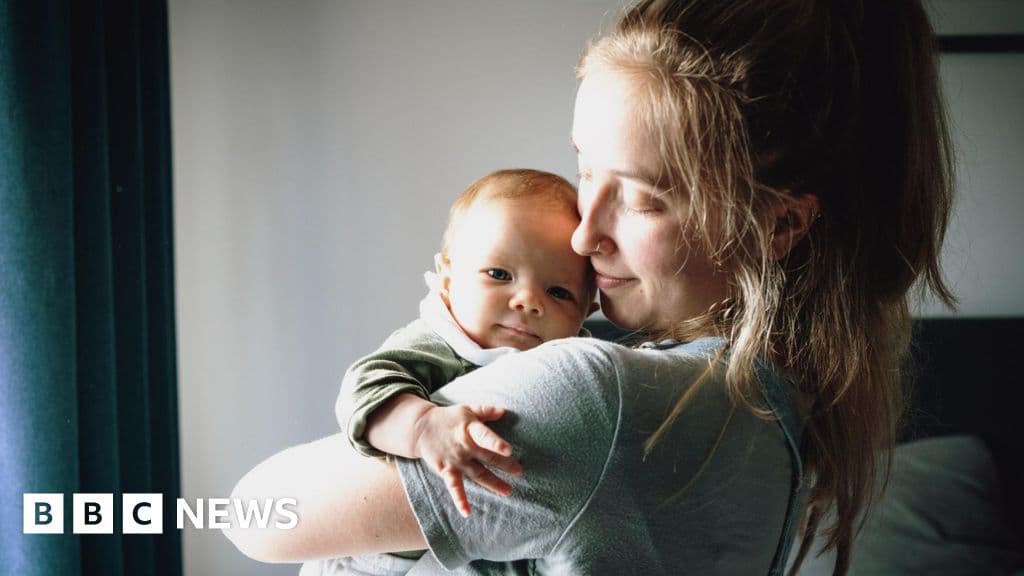
A revolutionary pregnancy vaccine reduces RSV hospitalizations in newborns by over 80%. Discover its impact and why it matters for families.
GlipzoA groundbreaking vaccine administered during pregnancy is making waves in the UK, significantly reducing hospital admissions for newborns suffering from respiratory syncytial virus (RSV) by over 80%. Health officials are heralding this development as a major step forward in protecting the most vulnerable members of society: infants.
The UK Health Security Agency (UKHSA) has reported that since the introduction of this vaccine in 2024, pregnant women have been offered the vaccine beginning at 28 weeks of gestation. This initiative aims to equip newborns with crucial immunity against RSV, a virus known for causing severe respiratory infections in infants, often leading to hospitalization.
RSV is a common yet potentially dangerous virus that affects many babies during their first months of life. It can lead to serious complications, leaving infants gasping for breath and struggling to feed. In the UK alone, more than 20,000 babies are admitted to the hospital each year due to RSV-related illnesses.
According to Dr. Conall Watson, the national program lead for RSV at UKHSA, many infants develop severe symptoms, including difficulty breathing. This situation can be particularly distressing for parents. "This is very, very frightening as a parent, frightening with good reason," Dr. Watson stated, emphasizing the urgency of addressing this health threat.
The newly introduced vaccine has demonstrated impressive efficacy in protecting newborns. A recent study highlighted its ability to deliver excellent protection to babies, particularly when administered at least four weeks before birth. This study tracked nearly 300,000 babies born in England between September 2024 and March 2025, covering around 90% of all births during this period.
Dr. Watson encourages pregnant women to prioritize getting vaccinated during the third trimester to ensure the best outcome for their newborns. "Get it on time. But if you can't, do get vaccinated all the way through the third trimester," he advised.
While the vaccine presents an optimistic future, personal stories like that of Laine Lewis serve as sobering reminders of the virus’s potential danger. Her son, Malachi, now 12 years old, was diagnosed with RSV as a baby, leading to severe complications that included oxygen support and brain damage. Although she emphasizes that her son's experience was rare, she advocates for the vaccine, stating, "I'd encourage people to take the vaccine for RSV because it will help their child."
Despite the promising developments, current data reveals that approximately 64% of pregnant women in England are receiving the RSV vaccine. However, vaccination rates drop to 53% in London, indicating a need for increased awareness and outreach.
Health authorities also recommend vaccinations for flu and whooping cough during pregnancy to further protect both mothers and their infants. Additionally, adults aged 75 and over, as well as those residing in care homes, are now offered the RSV vaccine, expanding the protective measures against this virus across different demographics.
The introduction of the RSV vaccine during pregnancy is a pivotal advancement in public health, especially for families with newborns. By drastically reducing hospital admissions, this initiative not only safeguards the health of infants but also alleviates the emotional and financial burdens on families and healthcare systems. As we move forward, it's crucial for pregnant women to stay informed and take proactive steps in vaccination to ensure their children's well-being.
As RSV season approaches, the impact of this vaccine could be monumental. Experts anticipate that continued education and outreach will bolster vaccination rates, especially in regions where numbers are low. It’s essential for healthcare providers to engage with expectant mothers regarding the importance of this vaccine and to facilitate timely vaccinations.
In conclusion, the RSV vaccine represents a critical tool in the fight against respiratory illnesses in newborns. With ongoing studies and public health initiatives, the hope is to see a further decline in RSV-related hospitalizations, ultimately leading to healthier outcomes for the next generation.
Stay informed, stay healthy, and discuss vaccination options with your healthcare provider to protect your newborn from RSV.
Shocking findings from Nottingham's maternity unit reveal a toxic culture and alarming neglect. What can be done to improve care? Discover the details.
BBC Health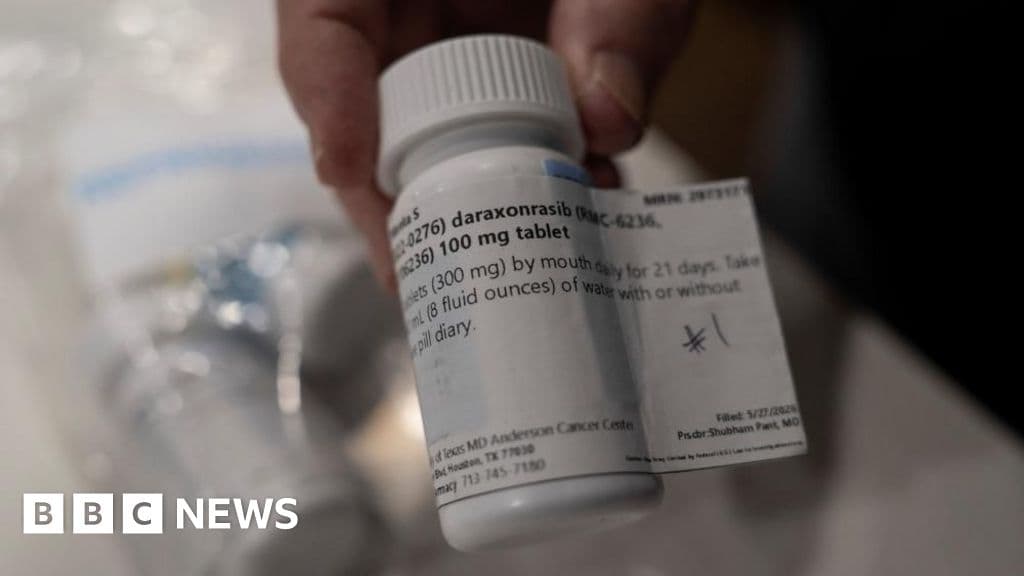
Discover how daraxonrasib, a new pill, is nearly doubling survival rates for pancreatic cancer patients, offering hope in a challenging battle against this deadly disease.
BBC Health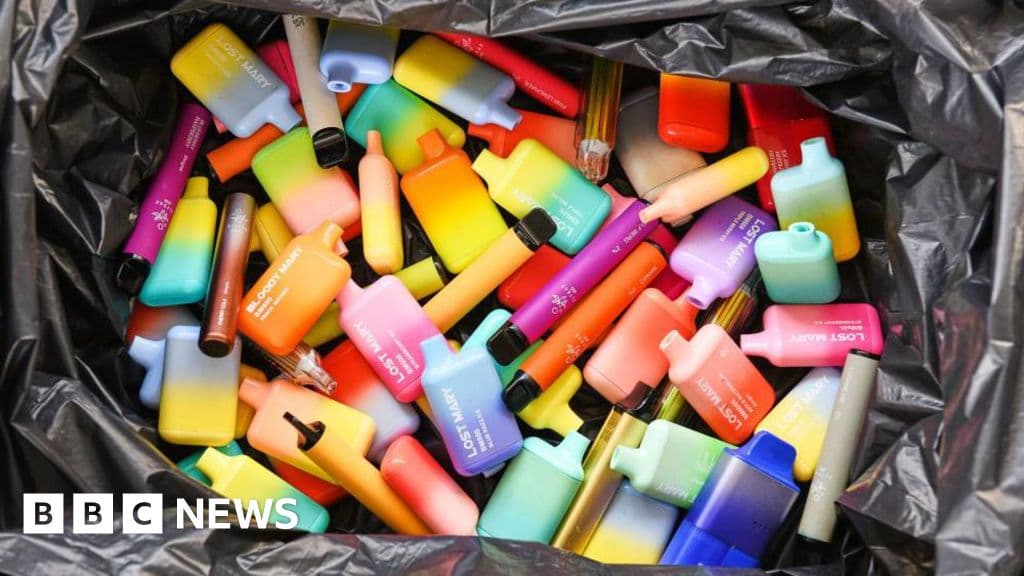
Waste companies propose a £5 deposit on vapes to encourage proper disposal and curb littering as the environmental impact of vapes increases.
BBC Business