
Glipzo
WorldTechnologyBusinessSportsEntertainmentScienceHealthPolitics
Glipzo
WorldTechnologyBusinessSportsEntertainmentScienceHealthPolitics
  1. Home
  2. /
  3. Politics
  4. /
  5. Germany Suspends Military Travel Restrictions for Young Men
Germany Suspends Military Travel Restrictions for Young Men

Image: BBC World

Politics
Thursday, April 9, 20264 min read

Germany Suspends Military Travel Restrictions for Young Men

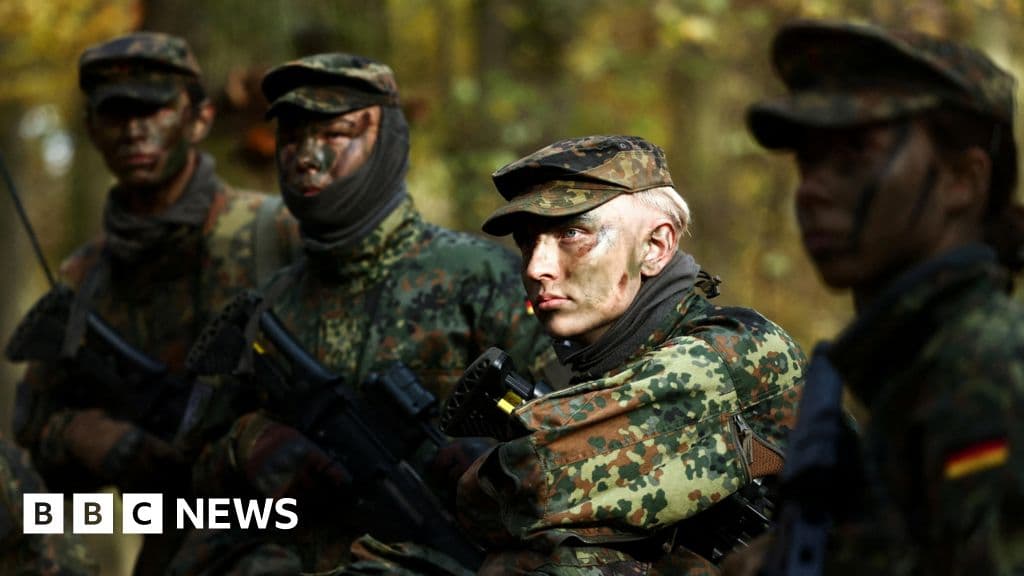
Germany suspends military travel restrictions for men under 45, easing concerns over new conscription laws amid rising geopolitical tensions.

Glipzo News Desk|Source: BBC World
Share
Glipzo

Key Highlights

  • Germany's Defence Minister lifts travel restrictions for men under 45.
  • Military Service Modernisation Act affects recruitment strategies.
  • All 18-year-olds must now respond to military service questionnaires.
  • Future medical assessments for 18-year-old men begin in July 2027.

In this article

  • Germany's Changing Military Landscape In a significant policy shift, Germany's Defence Minister **Boris Pistorius** announced that men of military age will no longer be required to report lengthy trips abroad. This decision follows a wave of concern regarding the implications of the newly enacted **Military Service Modernisation Act**, which aims to reinforce Germany's defenses amid rising tensions from Russia's invasion of Ukraine.
  • Exemption for Young Men In his comments to the **German Press Agency (DPA)**, Pistorius clarified that men aged 17 to 45 are now exempt from the travel approval requirement. "Whether they are 17 or 45, or anywhere in between – everyone is, of course, free to travel and currently does not need permission to do so," he stated. This move aims to alleviate the anxiety surrounding the new law, allowing young men to travel without bureaucratic hurdles.
  • The Context of Military Conscription The Military Service Modernisation Act serves as a precursor to the potential reintroduction of conscription in Germany, a practice that has not been in effect for years. The law stipulates that conscription will only be enacted if voluntary enlistment does not meet the necessary military staffing requirements. This move is part of Chancellor **Friedrich Merz's** vision to create Europe's strongest conventional army.
  • Implications of the Change The suspension of travel restrictions for military-aged men is significant for several reasons: - **Travel Freedom:** Young men in Germany can now travel abroad without the burden of seeking government approval, promoting personal freedom and mobility. - **Military Recruitment Strategy:** The easing of restrictions may positively impact military recruitment strategies, as it aligns with a more voluntary military service approach. - **Public Sentiment:** By addressing the concerns raised by the public and media, the government seeks to build trust and transparency regarding military policies and their implications.
  • Why It Matters This decision comes at a crucial time when Germany is reassessing its military strategies in light of external threats. The implications of these changes extend beyond individual freedoms, affecting national security dynamics within Europe. Germany's proactive approach to military readiness reflects a broader trend among European nations to bolster their defense capabilities in response to geopolitical tensions.
  • What’s Next for Germany’s Military? Looking ahead, it will be essential to monitor how these legislative changes affect military recruitment and overall defense strategies in Germany. As the situation in Ukraine evolves and new threats emerge, the government may need to adapt its policies further.

Germany's Changing Military Landscape In a significant policy shift, Germany's Defence Minister **Boris Pistorius** announced that men of military age will no longer be required to report lengthy trips abroad. This decision follows a wave of concern regarding the implications of the newly enacted **Military Service Modernisation Act**, which aims to reinforce Germany's defenses amid rising tensions from Russia's invasion of Ukraine.

The Military Service Modernisation Act took effect on January 1, 2023, and was designed to address the potential need for a more robust military presence. However, a requirement for males aged 17 and older to seek prior approval for overseas stays exceeding three months caught many by surprise, particularly after a German newspaper brought it to light last week. Until Pistorius's announcement, this stipulation had largely gone unnoticed and was not thought to be enforced.

Exemption for Young Men In his comments to the **German Press Agency (DPA)**, Pistorius clarified that men aged 17 to 45 are now exempt from the travel approval requirement. "Whether they are 17 or 45, or anywhere in between – everyone is, of course, free to travel and currently does not need permission to do so," he stated. This move aims to alleviate the anxiety surrounding the new law, allowing young men to travel without bureaucratic hurdles.

In addition to waiving the requirement for lengthy stays abroad, the Defence Minister emphasized that there would be no need for reporting these stays during the current peacetime. "We are suspending the permission requirement as long as military service is voluntary," Pistorius reassured citizens. However, he also indicated that procedures would be put in place in the event of a national crisis, framing the original regulation as a precautionary measure.

The Context of Military Conscription The Military Service Modernisation Act serves as a precursor to the potential reintroduction of conscription in Germany, a practice that has not been in effect for years. The law stipulates that conscription will only be enacted if voluntary enlistment does not meet the necessary military staffing requirements. This move is part of Chancellor **Friedrich Merz's** vision to create Europe's strongest conventional army.

As of January 2023, all individuals turning 18 in Germany are required to complete a questionnaire regarding their interest in joining the armed forces. This questionnaire is mandatory for men and optional for women, reflecting a shift in how Germany approaches military service and preparedness. Furthermore, starting in July 2027, all eligible young men will undergo medical evaluations to determine their fitness for potential military duty.

Implications of the Change The suspension of travel restrictions for military-aged men is significant for several reasons: - **Travel Freedom:** Young men in Germany can now travel abroad without the burden of seeking government approval, promoting personal freedom and mobility. - **Military Recruitment Strategy:** The easing of restrictions may positively impact military recruitment strategies, as it aligns with a more voluntary military service approach. - **Public Sentiment:** By addressing the concerns raised by the public and media, the government seeks to build trust and transparency regarding military policies and their implications.

Why It Matters This decision comes at a crucial time when Germany is reassessing its military strategies in light of external threats. The implications of these changes extend beyond individual freedoms, affecting national security dynamics within Europe. Germany's proactive approach to military readiness reflects a broader trend among European nations to bolster their defense capabilities in response to geopolitical tensions.

Moreover, the dialogue surrounding military service and conscription is particularly relevant as the continent navigates a complex security landscape. The ongoing conflict in Ukraine has heightened awareness of defense issues, prompting nations to rethink their military frameworks and obligations.

What’s Next for Germany’s Military? Looking ahead, it will be essential to monitor how these legislative changes affect military recruitment and overall defense strategies in Germany. As the situation in Ukraine evolves and new threats emerge, the government may need to adapt its policies further.

  • **Future Military Engagements:** How will the German military balance voluntary enlistment with the potential need for conscription?
  • **Public Response:** Will the easing of travel restrictions positively influence public perception of military service?
  • **Regional Impact:** What will this mean for Germany's role in European defense collaboration?

In summary, Germany's recent suspension of military travel restrictions for young men signals a shift towards a more flexible and responsive military policy, reflecting the nation's commitment to adapting to current geopolitical realities while maintaining individual freedoms. Expect to see ongoing developments as Germany navigates its military future in a rapidly changing world.

Did you find this article useful? Share it!

Share

Related Articles

Shocking Allegations: Greek Police Using Migrants for Pushbacks
Politics
Apr 14, 2026

Shocking Allegations: Greek Police Using Migrants for Pushbacks

Uncovered evidence reveals Greek police allegedly recruiting migrants to push others back to Turkey, raising serious human rights concerns.

BBC World
Breaking: Eric Swalwell Resigns Amid Sexual Misconduct Claims
Politics
Apr 14, 2026

Breaking: Eric Swalwell Resigns Amid Sexual Misconduct Claims

Eric Swalwell resigns from Congress amid sexual misconduct allegations, raising questions about accountability in politics and impacting California's governor race.

BBC World
Shocking Charges: Spanish PM's Wife Begoña Gómez Accused of Corruption
Politics
Apr 14, 2026

Shocking Charges: Spanish PM's Wife Begoña Gómez Accused of Corruption

Spanish PM Pedro Sánchez's wife, Begoña Gómez, faces serious corruption charges after a two-year investigation, raising questions about political ethics.

BBC World

Categories

  • World
  • Technology
  • Business
  • Sports

More

  • Entertainment
  • Science
  • Health
  • Politics

Explore

  • Web Stories
  • About Us
  • Contact

Legal

  • Privacy Policy
  • Terms of Service

© 2026 Glipzo. All rights reserved.

